

Districts need a clear picture of where students start so they can provide the right instruction from day one. Proximity Learning helps make this possible by pairing teachers’ classroom knowledge with objective testing data to pinpoint student needs and guide instruction.
Teachers know their students and can use their day-to-day interactions to understand strengths, challenges, and learning needs. Objective testing data adds another view, giving teachers measurable information about what students know and where they may need support. Together, these perspectives can reduce guessing and give teachers a clear starting point for instruction.
Here’s how Proximity Learning puts this solution into practice: combining objective testing data and teacher knowledge with live instruction from livestream certified teachers to address student needs.
Start with What Students Need
No two classrooms look exactly the same.
Students begin the school year with different experiences, strengths, and learning needs. Some are ready to move ahead, while others need more support before they’re ready to tackle and master new lessons. Understanding these differences early helps teachers make informed decisions from the very first day of school.
Beginning-of-year assessments give teachers an objective starting point. Teachers can pair this data with what they see in the classroom each day. Proximity Learning’s teacher reflection process helps them look beyond the numbers and apply what they already know about their students. Together, the data and teacher perspective reduce guessing and help teachers address what each class needs most.
With this information, teachers can:
- Identify learning gaps early.
- Set realistic goals for student growth.
- Adjust instruction to meet students where they are.
- Track progress throughout the school year.
The starting point for Day 1 is simple: to know where students are so that teachers can help them move forward.
Student Growth Across Core Subjects
Every school year starts with one big question:
Where are our students starting, and what support do they need to reach academic success?
This is where Proximity Learning’s partnership with LinkIt! comes in. Beginning-of-year assessments give teachers objective data they can use to understand where students are starting and plan instruction around their needs.
Learn more about Proximity Learning’s partnership with Linkit!
In the 2025-2026 school year, nearly 4,400 students participated in courses that included these assessments. Student growth reflects the difference between students’ average pre-test and post-test scores, showing how much progress they made during instruction.
By tracking this student growth data, Proximity Learning can continue to focus on delivering high-quality instruction, supporting teachers, and making intentional improvements to help students succeed.
A Closer Look at Student Growth
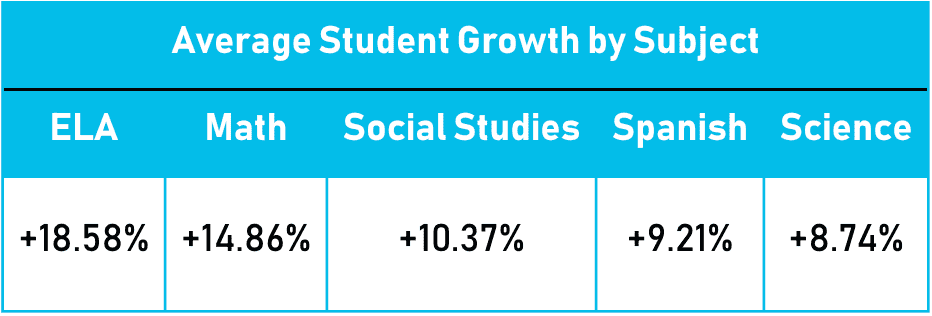
The strongest average growth appeared in ELA and Math. Across the courses assessed, ELA showed 18.58% average growth, while Math showed 14.86% average growth. Six of the eight Math courses that included benchmark assessments also showed double-digit growth.
These results give teachers another view of how students progressed throughout the year. More importantly, they can help teachers think about what students need next and where instruction may need to adjust.
Testing Growth with Proximity Learning
Student growth doesn’t happen because of an assessment alone. It happens when educators have the information, instruction, and support they need to respond to student needs.
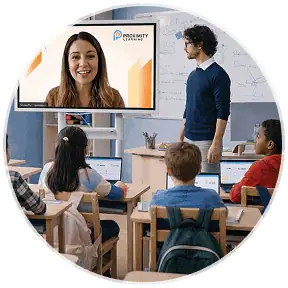
At Proximity Learning, certified teachers deliver live, synchronous instruction while students learn in their classroom with a district-employed facilitator. Because instruction happens in real time, students can ask questions, participate in discussions, and build a relationship with their teacher throughout the school year.
Beginning-of-year results give teachers an early look at what students know and where they may need more support. Proximity Learning’s reflection document helps teachers look beyond individual scores, review patterns in student performance, and identify strengths and learning gaps. Teachers can then work with an instructional coach to answer three simple questions:
- Where are my students now?
- Where do they need to be?
- How can I help them get there?
With these answers in hand, teachers can build an intentional instructional plan and put it into practice through live, synchronous teaching. Students learn with a Livestream Certified Teacher in real time, allowing teachers to respond to questions, adjust instruction, and support student needs as they arise.
Where Students Made the Most Progress
Looking at every course result individually can make it harder to see the bigger picture. A few examples show what student growth looked like across different districts and classrooms:
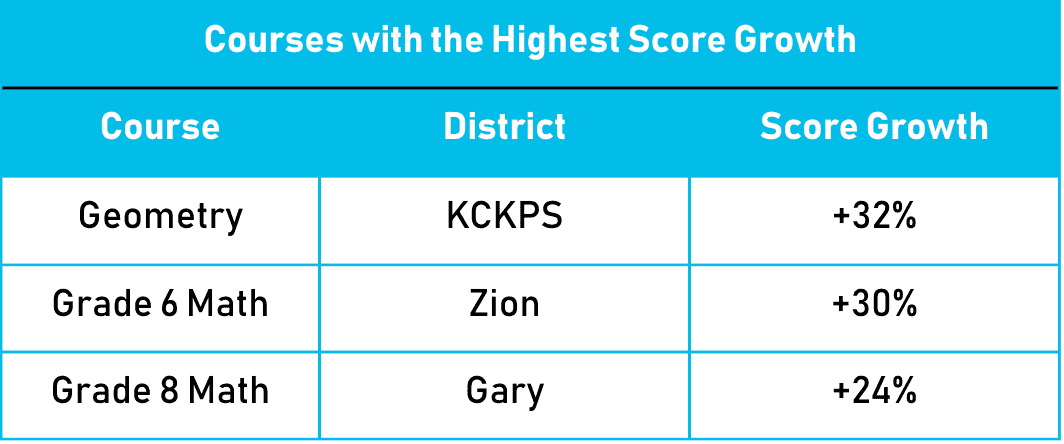
These examples show how growth can look different across classrooms and districts using Proximity Learning instruction. For district leaders, the most important goal isn’t to simply see which number is the highest, but to understand where students started, how much they grew, what that growth shows about the impact of instruction, and how teachers can continue supporting their progress.
Connecting Student Growth and Research
Student growth provides one view of what happened throughout the school year. Research can add another perspective by showing how live, synchronous instruction can support student outcomes across a larger group of learners.
A peer-reviewed Chicago State University study found that students with access to Proximity Learning’s live, synchronous instruction had higher average test scores than similar students without that access in both 2021 and 2022.
Together, these results give district leaders a fuller picture of how live instruction can address staffing challenges while keeping students connected to qualified teachers.
Key Takeaways for District Leaders
The path to student growth starts with understanding where students are, giving teachers the support to respond, and making sure students have consistent access to qualified instruction. Proximity Learning brings these pieces together through live instruction, teacher support, and ongoing attention to student progress.
For district leaders, that can mean:
- Starting with Student Needs
Beginning-of-year assessments can give teachers a clearer picture of what students know and where additional support may be needed.
- Giving Teachers Room to Respond
Instructional coaching and ongoing reflection can help teachers turn this information into practical decisions about lessons, pacing, and student support.
- Creating Consistent Access to Qualified Teachers
When districts face staffing challenges, live, synchronous instruction can help provide students with access to certified teachers while keeping learning connected to the classroom.
Proximity Learning brings these pieces together through live instruction, teacher support, and ongoing attention to student progress.
See how Proximity Learning can support your school district today.