 Proximity Learning Team
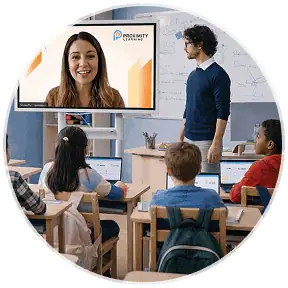
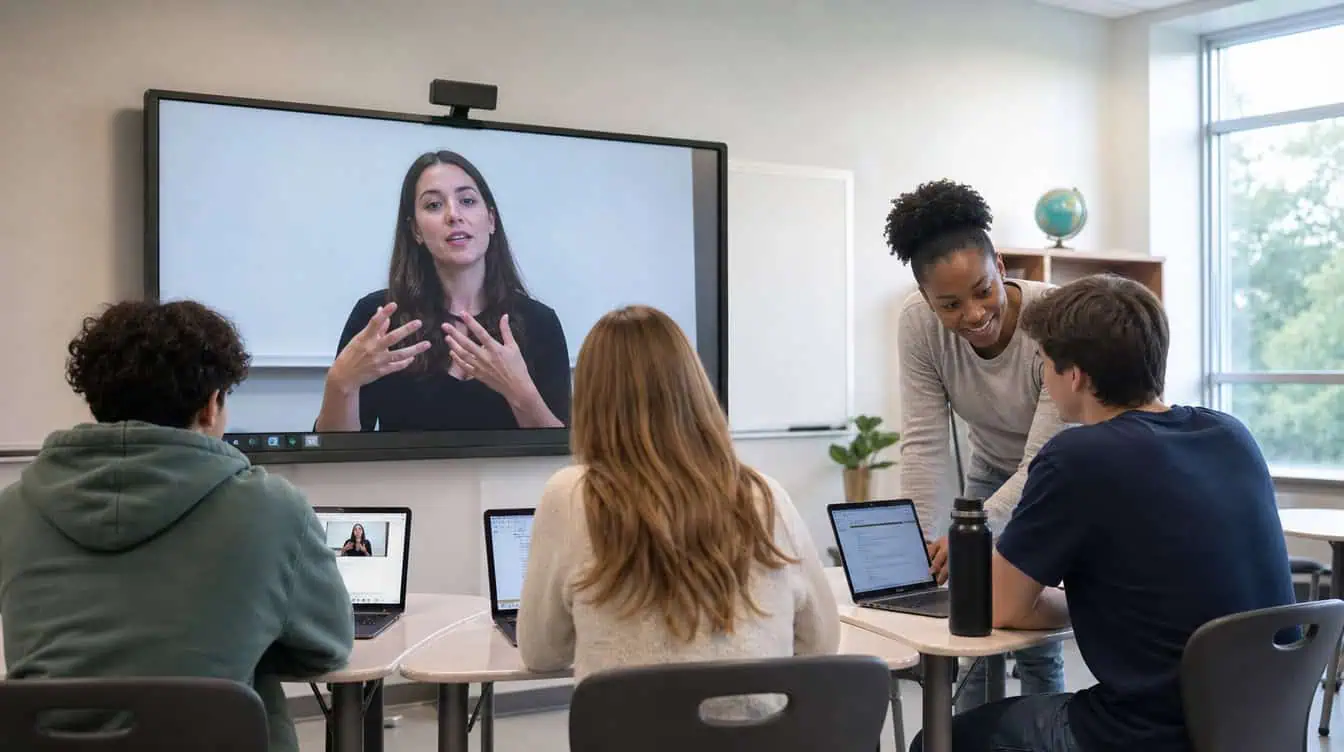
A principal opens a classroom door mid-lesson and sees a teacher’s face on the digital whiteboard, a room full of students working, and an adult at the side of the room who is clearly in charge of the space but is not the one teaching. The first question is usually the same: who’s in charge? Knowing each person’s role, especially what a classroom facilitator does and doesn’t do, is becoming more important as more schools use livestreamed teaching to fill gaps. If this difference isn’t explained clearly to staff or parents, the whole livestreamed model can seem confusing instead of helpful. Here’s a simple look at the facilitator’s role: what they do, what they don’t do, and why these boundaries matter for teaching quality and student safety.
Key Takeaways
- The facilitator is not the certified teacher of record. That role belongs to the livestreamed teacher, who plans the lesson and holds the subject certification.
- A facilitator’s job is supervision and support: managing the room, troubleshooting technology, and keeping students engaged with the lesson already in progress.
- This in-room presence is what separates Proximity Learning’s model from unsupervised video learning. A classroom with a livestreamed teacher is never a classroom without an adult in it.
- Districts are increasingly training their own staff, often paraprofessionals, to serve in this role.
What Is an In-Class Facilitator, and Why Districts Use One
An in-class facilitator is a trained adult who remains in the classroom while a certified teacher delivers instruction live. The facilitator isn’t a substitute teacher, isn’t certified in the subject, and doesn’t take over teaching. Their job is to manage behavior, keep things on track, and help students with anything that can’t be handled through a screen. Facilitators usually work for the district, not Proximity Learning, but they get training from Proximity Learning’s ESS-backed facilitator network about what the role does and doesn’t include. For example, Benton Harbor Area Schools in Michigan trains its own paraprofessionals and staff who want to become teachers to be facilitators, giving them real classroom experience. This setup gives districts flexibility, since facilitators can move to different classrooms or subjects as needed, because the job doesn’t require subject certification.
Core Responsibilities of a Classroom Facilitator
Classroom Supervision and Behavior Support
The main part of the facilitator’s job is being there in person. They take attendance, help students move between activities, and handle behavior as it happens, redirecting students, stopping side conversations, or stepping in when something needs attention that the teacher on the screen can’t handle. Facilitators are available to supervise throughout the class, including during challenging lessons or when the teacher is explaining something, which sets our model apart from unsupervised video learning.
Technical Troubleshooting During Live Instruction
Livestreamed lessons need a reliable connection, clear audio, and a clear display for students. If something goes wrong, the facilitator fixes it by restarting a frozen screen, turning up the volume, reconnecting a call, or letting IT know if there’s a bigger problem. This is a practical job, not a teaching one. The facilitator doesn’t need to know the lesson content to fix the tech, which is why the role doesn’t require subject certification.
Reinforcing the Virtual Teacher’s Instructions
When the livestreamed teacher gives directions, assigns work, or asks students to form groups, the facilitator makes sure everyone understands. They repeat instructions for anyone who missed them, help students focus on the screen, and keep things moving in the room. Districts have noticed an added benefit of having a facilitator and a live teacher work together: facilitators gain valuable experience by observing live teaching while helping out, which serves as on-the-job training, and classes are dynamic and taught by an experienced teacher.
What a Facilitator Does Not Do
A facilitator does not teach the lesson. Only the livestreamed teacher, who is certified and has planned the lesson, delivers content, explains concepts, or answers questions about the subject in detail. If a facilitator started teaching, the classroom would lose the main benefit of this model: instruction from a certified teacher, not just any available adult. The facilitator’s job is to support the lesson, not create it, and keeping this line clear is key to the model’s honesty about what students are getting.
Grade or Assess Student Work
Grading and assessment, from daily work to final grades, is always done by the certified teacher, not the facilitator. Facilitators can collect assignments, hand out materials, or track who has finished their work, but only the teacher who planned the lesson and knows the standards should judge student work. This rule is intentional. Letting facilitators grade would mean asking untrained adults to make decisions they aren’t qualified for, which the facilitator model is designed to prevent.
Replace the Certified Teacher of Record
A facilitator can be an outstanding, trusted presence in a classroom without ever being the teacher of record, and Proximity Learning’s model is built to keep that line clear rather than let the in-person adult quietly become the default teacher in everyone’s mind, no matter how familiar or well-liked that adult becomes to the students they support.
How This Model Benefits Principals and Students
Never an Unsupervised Classroom
The facilitator model solves a crucial problem: without an adult in the room, livestreamed instruction would leave students unsupervised, a trade-off no principal or parent should make. A trained facilitator, present for the entire class, addresses the top concern that principals raise about virtual teaching: whether students are truly being watched and engaged with, not just streamed to? It’s also the simplest reassurance for nervous parents or skeptical staff.
Faster Vacancy Coverage Without Sacrificing Oversight
By pairing a livestreamed, certified teacher with an in-building facilitator, districts can fill vacancies in days instead of waiting through a full hiring cycle. Facilitators don’t need subject-matter certification, so principals can fill the role with existing staff rather than waiting for a specialist. Coverage begins as soon as a facilitator is trained, allowing the search for a permanent hire to continue in the background. No empty classrooms, and no long-term substitutes teaching subjects they aren’t prepared for.
A Reliable Adult Who Knows the Classroom
Facilitators are often district staff, paraprofessionals, aides, or aspiring teachers, so they know the students, routines, and school culture far better than an outside substitute. Students see a familiar face every day, and the district gains someone who already understands the school, an advantage that lasts even after the vacancy is filled.
Communicate, Communicate, Communicate
It’s understandable for principals, parents, or staff to feel confused when they see this setup, and it’s better to clear things up right away rather than leave them guessing. The facilitator isn’t the certified teacher, doesn’t teach or grade, and isn’t meant to replace the livestreamed teacher; however, they are what a livestreamed classroom needs: a trained adult who manages behavior, solves problems as they happen, and keeps the lesson going, so students are never left alone even when the teacher is remote. Districts that explain this clearly — to staff before day one and to parents before questions arise — usually find the model needs far less defending than they ever expected.
Frequently Asked Questions
What is an in-class facilitator?
A trained adult, typically employed by the district, who is physically present in a classroom while a certified teacher delivers the lesson live from another location. The facilitator supervises and supports the class but does not hold the subject certification or plan the lesson.
How does a facilitator support a livestreamed lesson?
By managing behavior and attendance, troubleshooting audio or connection issues in real time, and reinforcing the livestreamed teacher’s directions so students stay on task and the lesson keeps moving without interruption.
How much classroom time does a facilitator actually cover?
The full class period, every session. A facilitator is present for the entire livestreamed lesson from start to finish, not just part of it, which is what keeps the classroom supervised from bell to bell, day after day.
Will parents be confused about who is teaching their child?
Not if the distinction is explained clearly: their child’s teacher is the certified educator livestreamed into the room, and the facilitator is the trained adult present in person to support that lesson and supervise the classroom.