

Written: January 2023 Updated: January 2026
School districts everywhere are weighing asynchronous and synchronous remote learning models for K-12 as they work to fill teacher vacancies and maintain instructional quality. At the same time, many educators are now asking a more specific, outcome-driven question: why synchronous learning works better when engagement and learning outcomes are the priority.
The difference comes down to connection, accountability, and real-time support. Synchronous learning recreates the structure and interactions of a traditional classroom, providing students with live instruction, immediate feedback, and meaningful relationships that support academic success. When learning happens in real-time, students don’t just log in – they show up.
What Is the Difference Between Asynchronous and Synchronous Learning?
At a glance, synchronous and asynchronous learning may seem similar, but the main difference lies in how students interact with teachers, peers, and learning materials. Both are forms of online education, yet the experience and outcomes can look very different.
Asynchronous Learning
Asynchronous learning is not a solution because it relies on pre-recorded video lectures, discussion boards, and independent assignments that students complete on their own schedule. While this self-paced learning model offers flexibility, it often requires high levels of self-discipline and self-motivation, leaving many students disconnected and struggling to complete coursework.
Synchronous Learning
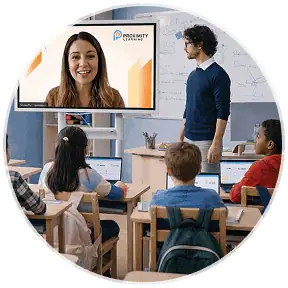
Synchronous learning, on the other hand, centers on classes led by a certified teacher, live-streamed directly into classrooms. Students learn together in person, supported by an in-class facilitator, while the teacher leads lessons in real-time. The result is a structured, interactive classroom experience that closely mirrors traditional in-person teaching.
Top 5 Reasons Synchronous Learning Works Compared to Asynchronous
When schools compare synchronous and asynchronous learning, the differences go far beyond scheduling or technology. The way students interact, stay accountable, and experience instruction shapes everything from engagement to long-term academic success. Here’s why so many districts see stronger results when live instruction is part of their online learning model.
1. Increased Student Achievement
One major disadvantage of asynchronous courses is the lack of real-time accountability. Students must navigate platforms independently, manage multiple tools, and complete assignments without consistent support. When confusion arises, help is delayed, which often impacts academic success.
With synchronous online learning, teachers provide immediate feedback and adjust instruction in real-time. These live sessions promote active learning, enhance comprehension, and keep students on track during class. Research consistently shows that synchronous classes produce outcomes comparable to a physical classroom because students are actively engaged, supported, and learning together.
2. Improved Content Comprehension
In asynchronous classes, students often rely on short discussion posts and quizzes to demonstrate understanding. Without face-to-face explanation or real-time clarification, misconceptions can linger, making it harder to fully absorb learning material.
Synchronous learning encourages real-time interaction, lively discussion, and opportunities to bounce ideas off teachers and other students. Teachers use collaborative tools, guided discussions, and more to check understanding before moving forward. This creates a stronger foundation and a more cohesive learning experience.
3. Higher Student and Teacher Satisfaction
Social connection matters. In asynchronous learning, interaction can feel forced or minimal, often limited to message boards that don’t replicate natural conversation. Students wait for responses, and teachers lack visibility into student engagement during learning activities.
Synchronous online classes create a more human experience. Through live interaction, students build relationships, collaborate during group work, and participate in active discussions. Teachers and students alike report higher satisfaction, stronger engagement, and greater participation compared to asynchronous learning environments.
4. A More Supportive Learning Experience
Many students feel overwhelmed juggling multiple platforms, tools, and expectations in asynchronous learning. Managing coursework independently while balancing other commitments can increase stress and reduce motivation.
In synchronous learning, structure supports success. Teachers guide students through course materials, encourage active participation, and foster a safe, engaging learning environment. According to education research, this kind of interactive learning reduces stress and improves outcomes because students feel supported, seen, and connected.
5. Stronger Instruction and Personalized Coursework
With asynchronous learning, instruction is fixed and generic. Teachers are not present during instruction, making personalization difficult and limiting opportunities for support.
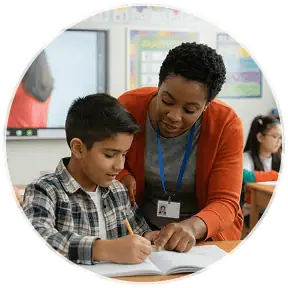
Synchronous courses enable teachers to tailor instruction, adjust pacing, and provide individualized support during a session. This virtual instructor-led training model strengthens relationships and supports personalized learning paths. There’s a proven link between individualized instruction, classroom engagement, and improved student performance—and synchronous learning delivers all three.
Turning Engagement Into Results With Proximity Learning
When it comes to online classes, the evidence is clear: synchronous learning delivers better engagement, stronger relationships, and more consistent academic outcomes than asynchronous learning alone. Real-time instruction, collaboration, and immediate feedback create an experience that feels familiar, supportive, and effective for students and educators alike.
Proximity Learning has spent more than 15 years perfecting synchronous instruction, partnering with over 1,500 school districts and staffing 3,000+ classrooms with certified teachers. Our students consistently show measurable academic growth across core subjects.
If your district wants the many benefits of synchronous learning without sacrificing quality or connection, contact Proximity Learning today. Let’s explore how Proximity Learning can bring engaging, live instruction into your classrooms and help your students truly learn, together.