

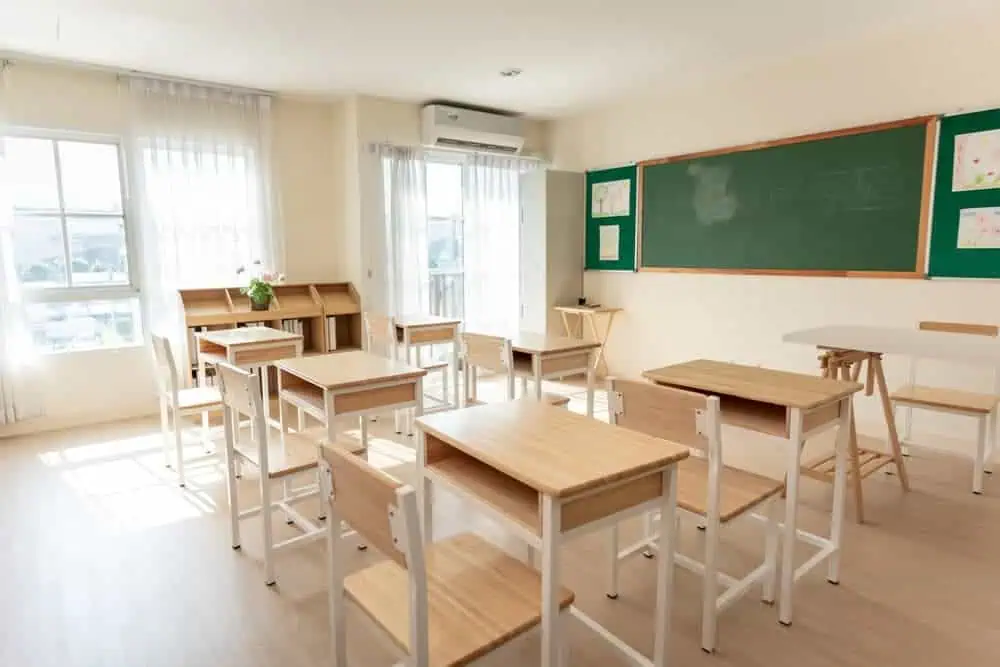
Ask any school administrator how staffing is going, and you’ll likely hear the same answer: it’s urgent. The teacher shortage isn’t a future problem. It’s here now, affecting hiring decisions, student learning, and teacher morale across all levels of the education system.
So, why is there a teacher shortage? The reasons are complex, but the impact is clear in every district nationwide. The statistics don’t lie:
- According to the Teacher Shortage report, there are currently 55,000 vacant positions and 270,000 positions filled by unqualified instructors.
- About 10% of teachers in schools aren’t qualified for their positions, but fill them out of necessity.
- Eighteen percent of U.S. public schools have one vacant teaching position, while 26% have multiple vacancies.
While many school districts scramble to hire, others are getting creative and rethinking how to fill teacher vacancies without compromising on quality. Addressing teacher shortages demands bold, scalable solutions (such as virtual staffing) that still deliver quality instruction to every student.
5 Reasons Why There Is a Teacher Shortage
Understanding why there is a teacher shortage means looking beyond surface-level issues and into the systemic challenges that have built up over time. While the teacher shortage crisis is now headline news, the contributing factors have been growing steadily—many of which are preventable with the right interventions.
Five major factors contribute to this ongoing crisis in the education sector, directly impacting the ability of school districts to hire and retain educators long-term.
1. Low Teacher Salaries
One of the most cited reasons teachers leave the teaching profession is low pay. Despite being part of a highly skilled and necessary workforce, teachers are consistently underpaid compared to professionals in similar fields. According to the Economic Policy Institute, women teachers earn 13.2% less and men 30.2% less than workers in other careers with comparable education and experience levels.
This persistent teacher pay gap deters aspiring educators from starting a teaching career and discourages experienced teachers from staying. For many, the financial tradeoff simply isn’t sustainable, especially in areas with a high cost of living or when burdened with student loans from teacher preparation programs or a master’s degree. Providing teachers with better pay is one of the most impactful ways to fix this teacher shortage.
2. High Teacher Turnover
Contrary to popular belief, the teacher shortage isn’t solely due to a lack of new teachers—it’s largely a result of losing the ones we already have. The Learning Policy Institute shows that 90% of annual teacher vacancies happen because of teachers leaving the profession, not due to a lack of educators mentoring. Additionally, 44% of teachers leave every year.
Whether due to burnout, a stressful work environment, or limited opportunities for professional development, the higher teacher turnover rates force school leaders to constantly backfill roles, often relying on methods such as:
- Substitute teachers
- Uncertified teachers
- Short-term hires
And none of these solutions support sustainable, high-quality student learning.
3. The Teacher Mental Health Crisis
The emotional toll of the teaching profession is staggering, and it’s one of the biggest contributors to the teacher shortage. Between overcrowded schedules, administrative pressure, and increasingly complex classroom management, many teachers are simply burnt out.
One 2022 study conducted by the University of Alberta revealed alarming mental health trends among educators:
- Burnout: 25.12%–74%
- Stress: 8.3%–87.1%
- Depression: 4%–77%
- Anxiety: 38%–41.2%
These numbers highlight why so many teachers leave the profession and why school districts must address mental health head-on. Without systemic changes to workload, emotional support, and wellness resources, the teacher shortage crisis will only continue to grow.
4. Challenging Working Conditions
From overcrowded classrooms to inadequate planning time, the working environment many teachers face is often unsustainable. The conditions can be even more difficult in rural areas and high-need schools since limited staff, lack of resources, and outdated infrastructure all affect the ability to teach effectively.
The education system demands more of teachers than ever before, but many feel they get less in return. This imbalance leads to:
- Burnout
- Reduced morale
- Difficulty attracting and retaining qualified teachers
Without supportive environments and manageable workloads, it becomes harder to see teaching as a viable long-term career.
5. Inadequate Support
New teachers—particularly first-year teachers—often enter the field with enthusiasm, only to find themselves without meaningful mentorship, guidance, or a path for structured professional development. Without access to mentoring programs or residency programs, many struggle to adapt and eventually leave the profession early.
Existing teachers also lack consistent coaching or continuing teacher education programs that help them stay sharp, especially in areas where support is often spread thin, such as:
- Special education case management
- Technical education
- World languages
Investing in teacher preparation, career-long development, and coaching is essential to retaining educators and strengthening the workforce.

Solving Teacher Shortages with Synchronous Staffing
Virtual staffing is a modern solution for school districts navigating the ongoing teacher shortage. It involves placing qualified educators in classrooms virtually and allowing them to teach in real-time through livestream platforms like Zoom and Learning Management Systems (LMS).
This means that teachers no longer need to be physically present on campus to deliver high-quality instruction. Instead, experienced teachers can provide live lessons from anywhere, using tools like Zoom or Microsoft Teams for video and Canvas or Schoology as the LMS for sharing materials, tracking assignments, and monitoring student progress.
In this model, teachers deliver synchronous instruction, meaning they meet with students at scheduled times according to the school’s bell schedule for live lessons. These classrooms with live, certified instructors are often supported by in-person facilitators who help with classroom management and ensure tech runs smoothly.
The result? School districts can hire the best-qualified teachers regardless of location and maintain continuity in student learning even when local hiring falls short.
How Synchronous Staffing Solves the Teacher Shortage
When implemented strategically, synchronous virtual staffing fills gaps and transforms access to instruction. Here’s how it addresses the teacher shortage crisis:
- Expands the teacher talent pool: Districts can access qualified educators from around the world, reducing dependence on substitute teachers, uncertified teachers, and short-term hires.
- Fills vacancies quickly: Instead of waiting months for a potential hire, districts can immediately fill teacher vacancies with qualified virtual staff.
- Increases access to specialized education: Courses in technical education, special education case management, world languages, and electives can be added even when local talent isn’t available.
- Improves equity: Schools in rural areas and high-need schools benefit from equal access to top-tier teachers, helping close ongoing opportunity gaps.
- Allows flexible scheduling and scalability: Classes can be launched or adjusted based on real-time enrollment and staffing needs without hiring delays or long-term commitments.
- Supports current staff: With fewer unfilled roles, existing teachers face less pressure and can focus on instruction rather than covering gaps.
- Reduces burnout and turnover: Schools can distribute workload more evenly and retain more experienced educators.
- Boosts student outcomes: When qualified teachers lead consistent, live instruction, student outcomes improve across core subjects and specialized areas. For example, according to one independent study at Chicago State University analyzing over 40,000 students, districts using Proximity’s live model saw an 11+ point increase on standardized tests in grades 4-11, a 7.7-point increase in ninth-grade English II scores, and a 21-point gain in Algebra I. Additionally, core subject grades jumped by up to 56% at Red River Charter Academy.
Close the Teacher Shortage Gap with Proximity Learning’s Certified Virtual Teachers
The teacher shortage isn’t just a staffing issue. It’s a challenge that touches every corner of the education system, from student outcomes to staff morale and retention. But the solution doesn’t have to be out of reach. With synchronous staffing, districts can move quickly, act strategically, and deliver consistent, high-quality instruction—even when hiring locally isn’t an option.
Proximity Learning is here to provide the staffing you need to fill all positions in your school. We partner with over 400 school districts to deliver live, certified instruction through 3,000+ classrooms nationwide. With 15+ years in synchronous instruction, we offer proven, scalable solutions that help fill teacher vacancies, reduce burnout, and keep students on track—all without compromising on quality.
Ready to bring live, certified instruction to your district? Contact Proximity Learning today to see how we can solve the teacher shortage together.