When a district is short on certified teachers, the entire school community feels the impact. Students lose quality instruction in core courses, burnout rises among the faculty, and learning gaps widen. With ongoing staff shortages across the country, more districts are turning to online teaching positions to fill critical gaps in instruction, but not just any kind will do.
Synchronous online teaching—where teachers lead live classroom sessions in real time—brings back the human connection that asynchronous models lost. But to make it work, districts need professionals with the right qualifications and certifications. Understanding who is eligible, what’s required, and how certification varies is essential to implementing a high-quality, scalable solution.
What is Synchronous Education?
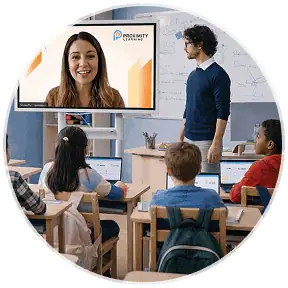
Synchronous education refers to live classroom instruction where teachers and students interact in real time, just like they would in a traditional classroom, but through a digital format. Unlike pre-recorded video lectures, synchronous online teaching happens through livestream platforms that allow for direct communication, immediate feedback, and dynamic engagement. Teachers deliver lessons, take attendance, and facilitate discussions with the full group or in breakout sessions to replicate the structure of an in-person class period.
How It Works
Schools use a combination of technology platforms to support this model. A Learning Management System (LMS) like Canvas or Schoology tracks:
- Grades
- Attendance
- Lesson plans
Video tools such as Zoom enable real-time interaction, while integrated digital tools like gamified quizzes, interactive whiteboards, and collaborative documents enhance participation. These platforms work together to ensure that courses run smoothly and teachers can focus on delivering strong, standards-aligned instruction without technological disruption.
What It Covers
Synchronous online classes provide virtual K-12 instruction for everything from core classes like mathematics and science to electives like art, world language classes, and CTE classes. For teachers, this model offers:
- Meaningful engagement with students
- The ability to work part-time hours with a flexible schedule
- The ability to provide personalized support during the lesson itself
This allows them to provide impactful, human-centered instruction.
General Requirements for Synchronous Instruction Certification
Generally, you have to hold a teacher certification from an accredited institution to qualify for synchronous instruction. Besides meeting the program’s course hours, this typically requires:
- State approval: Ability to create learning material compliant with state board requirements.
- Demonstrated online teaching expertise: Show that you understand online pedagogy, including how to keep students engaged in a virtual setting and use live teaching tools effectively.
- Course design and delivery: Design courses with clear goals, structured activities, and meaningful assessments that align with learning objectives.
- Regular and substantive interaction (RSI): Maintain consistent, meaningful engagement with students—such as through live sessions, chat rooms, interactive whiteboards, breakout rooms, or online discussions—to support learning and meet regulatory standards.
- Accessibility and inclusivity: Structure lessons designed to accommodate all learners, including students with disabilities, to ensure equitable access to instructional content.
- Technical proficiency: Be skilled in using technology platforms like livestream platforms such as Zoom, LMS platforms, and interactive features essential for live instruction.
- Scheduling: Be able to teach classes on the school district’s bell schedule.
State Licensing Requirements
Every state in the U.S. requires teachers to hold a state-issued license in order to lead K-12 classes, whether in person or through synchronous online teaching. These licenses are issued by each state’s Department of Education and are designed to make sure teachers meet specific criteria related to subject knowledge, pedagogy, and student safety.
The same standards apply as they would in a brick-and-mortar classroom. State-certified teachers in virtual education typically must:
- Hold a bachelor’s degree from an accredited college or university
- Complete a state-approved teacher preparation program or equivalent alternative certification pathway
- Pass required state content exams and pedagogy assessments
- Pass a background check in compliance with state and federal law
- Complete training in digital literacy or remote instruction, depending on the state
- Meet continued education requirements to maintain licensure
Charter schools may accept only an associate’s degree or a degree and/or experience in a related field instead of a bachelor’s degree in education. Private schools may also accept a bachelor’s degree from a related field or prioritize on-the-job education rather than certification.
On the other hand, private schools may require even more expertise in a specialized field or require you to take various assessments for consideration even if you’re already certified.

Out-of-State Synchronous Instruction Requirements
The rules change when a teacher provides synchronous instruction to students in a different state than the one where they’re certified. State education departments govern public schools, so certified teachers must often meet the certification standards of the state where the students are enrolled, even if the teacher is fully remote.
Online teaching requires careful attention to cross-state licensing requirements to uphold student information security requirements, maintain high instructional quality, and remain within legal guidelines. Here’s what teachers need to know when teaching online classes across state lines:
- Verify the certification reciprocity rules of the students’ state via their Department of Education.
- Apply for out-of-state certification or a temporary teaching authorization (if required)
- Submit proof of licensure, transcripts, test scores, and sometimes a fingerprint background check.
Global Synchronous Instruction Requirements
Additional compliance measures may apply when teachers physically reside outside the U.S. but are certified domestically. They still must align with U.S. state standards to deliver courses to school students. This means they must:
- Hold a valid U.S. teaching certification.
- Ensure work eligibility, including U.S. work authorization or relevant employment classification.
- Accommodate the school’s bell schedule and calendars, not their own, to support real-time live classroom interaction.
Take Your Certification Further with Proximity Learning’s Synchronous Model
The need for qualified, certified teachers has never been greater—and with the rise of synchronous online teaching, you don’t have to be in a school building to lead a classroom and make an impact. By understanding certification requirements, you position yourself to not only meet the demand but also help close equity gaps for students who deserve expert instruction.
At a time when teachers typically shoulder overwhelming challenges, Proximity Learning offers a path that values your skills, streamlines the process, and empowers you to teach from anywhere. If you’re passionate about teaching, ready to work within a dynamic, supportive structure, and eager to engage in meaningful courses with students who need you most, Proximity Learning is hiring for online teaching jobs.
To get hired as a synchronous instructor with Proximity Learning, you need:
- State certification
- A new computer within 5 years
- A minimum internet download speed of 25 mbps
- A second computer monitor
- A 4-hour block of availability Monday – Friday between 7am and 4pm
- A cleared background check
You’ll join a supportive team, teach real-time in a live classroom, and receive the training, flexibility, and tools you need to succeed—all with standard compensation, access to professional development opportunities, and the chance to truly empower teachers in a changing world.
Learn more about teaching with Proximity Learning today.