
The Legal Aspects of Hiring Virtual Educators: Compliance and Certification Explained

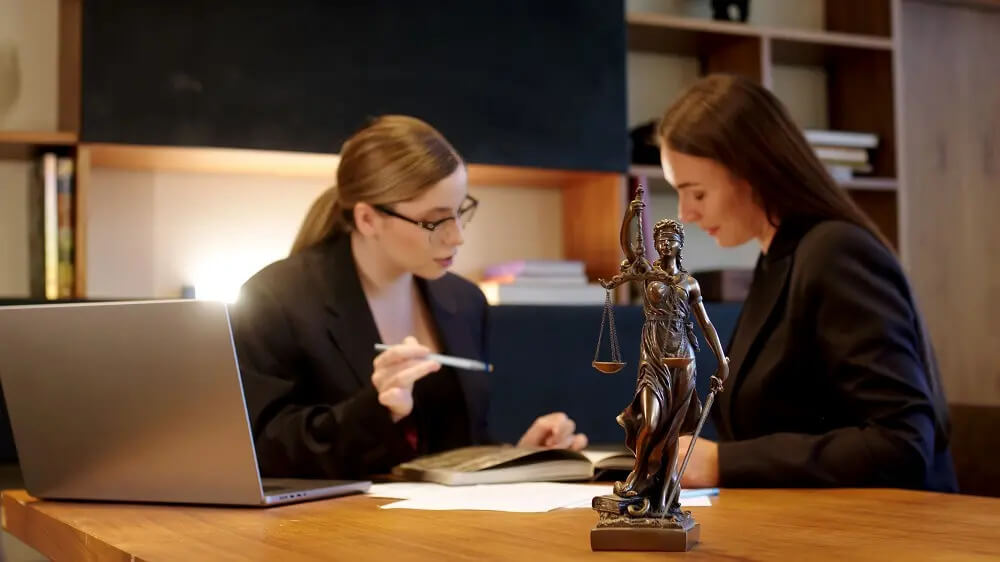

For school districts, understanding the legal aspects of hiring virtual educators has become critical as online and hybrid learning expand across the country. The rise of e-learning and virtual instruction has created new layers of accountability, in which teachers, administrators, and HR professionals must adhere to the same laws, standards, and certification rules that apply to traditional classrooms. Every teacher who livestreams instruction or shares course materials online must comply fully with all applicable state and federal education laws.
Districts that hire certified online educators are expected to navigate legal issues to protect both students and teachers. Staying informed and responsible about these legal compliance requirements protects educational institutions from costly errors and ensures that student learning remains equitable, ethical, and compliant.
What Virtual Education Entails
Synchronous virtual education refers to live, real-time instruction, where certified teachers conduct lessons through video platforms such as Zoom or Microsoft Teams, while students follow the district’s bell schedule. This model mirrors in-person learning by allowing students to engage directly with their teacher, ask questions, and collaborate during class.
Each classroom is supported by an in-person facilitator who manages technology, assists with participation, and ensures students stay focused and supported throughout the lesson. Together, the livestreamed teacher and on-site facilitator create a structured, interactive learning environment that maintains the rhythm of a traditional classroom.
School districts rely on certified virtual educators to plan lessons, guide instruction, and use a Learning Management System (LMS)—such as Canvas or Schoology—to organize materials, post assignments, and track performance. These systems form the foundation of online learning, keeping instruction organized and accessible. When paired with instructional and assistive technologies designed for students with disabilities, the LMS also helps districts meet federal accessibility standards under the Individuals with Disabilities Education Act (IDEA) and related regulations.
Finding the Right Virtual Educators
When searching for the right educators for your district, you need certified professionals who understand both classroom teaching and the legal framework that governs e-learning. Districts should prioritize hiring teachers with valid state certifications, proven experience in online education, and training in accessibility under the IDEA.
It’s equally important to confirm that potential hires are comfortable using digital tools and assistive technologies to deliver compliant, engaging instruction. A strong candidate should be able to design effective lesson plans, manage course materials, and use technology responsibly to support student learning while adhering to all district and federal laws.
Districts can also collaborate with reputable virtual teaching partners like Proximity Learning, who specialize in compliance, quality control, and alignment with local education standards. These providers ensure that all teachers are screened, trained, and familiar with legal requirements such as data privacy, copyright law, and intellectual property protections for curriculum materials.
By working with an experienced partner, school districts gain access to legal resources and peace of mind, knowing their virtual classrooms meet instructional standards while staying fully aware of all the legal implications that come with online teaching.
Legal Aspects to Consider When Hiring Virtual Educators
When school districts hire virtual educators, they assume legal responsibilities that demand careful planning and oversight. District leaders, HR professionals, and administrators must ensure all partnerships, contracts, and lesson plans comply with federal and state laws, especially those governing education and equity.
The key to avoiding costly missteps lies in preparation. Before signing agreements or launching a virtual instruction program, districts should review several core legal requirements that affect both educators and students.
Ensure Proper Employee Classification
When hiring virtual educators, districts need to decide whether each person will work as an employee or an independent contractor. Getting that classification wrong can lead to payroll and benefits issues, including problems with retirement plans or tax reporting.
Employees usually follow district-created lesson plans, schedules, and curriculum materials, while independent contractors have more flexibility in how they teach. Before finalizing contracts, school districts should review state and federal guidelines, clearly document the terms, and seek guidance when necessary to ensure compliance with employment laws.

Comply with Notice Requirements
Districts also need to meet all required state and federal notice rules when hiring and managing virtual educators. That includes the Fair Labor Standards Act (FLSA), which governs pay and work hours, and the Family and Medical Leave Act (FMLA), which protects employee leave and job protection rights.
Some states require extra notices about digital safety, payroll, or working hours. Clear communication and good documentation go a long way toward keeping schools compliant and avoiding misunderstandings with staff.
Conduct Thorough Background Checks
Even when instruction happens online, students still need the same level of safety as they would in a traditional classroom. Background checks verify that virtual educators are qualified and trustworthy to teach.
These screenings should meet all state and district requirements and be handled through reputable providers. Protecting personal data during this process is essential, especially under data privacy and security laws. Consistent screening builds community trust and helps families feel confident that schools are prioritizing safety.
Verify Certifications
Every teacher leading a virtual class should hold an active, valid certification for the subject and grade level they’re assigned to. This is especially important when teachers are working across state lines under reciprocity agreements.
Districts should also seek training in assistive technologies and compliance with the IDEA to ensure that all educators are prepared to support student learning in inclusive environments. Verification protects both students and the district by confirming that all instructional staff meet professional and legal standards.
Draft Clear Agreements
Written agreements keep expectations transparent and protect districts and educators. They outline the terms of employment, including the use of digital tools and responsibilities related to privacy and intellectual property. District leaders should collaborate with experienced administrators or counsel to ensure these documents align with district policy and education law.
Key agreements include:
- Remote work agreements: Defines work hours, job expectations, and how district technology and materials are used.
- Data privacy agreements: Explains how teachers will manage and protect student information under data privacy and security rules.
- Reciprocity agreements: Outlines certification recognition and teaching eligibility for educators working across state lines to meet state education laws.
- Non-discrimination agreement: Ensures inclusion and compliance with anti-harassment and discrimination laws.
- Confidentiality agreement: Keeps private school data secure and limits who can access it.
Protect Your Intellectual Property
Virtual educators often create lesson plans, presentations, and other instructional materials that may be reused or shared across classes. To avoid confusion, districts should establish an intellectual property agreement outlining ownership, permitted use, and distribution of those materials.
When educators use outside content or scholarly works, they should follow copyright law and fair use policies to stay compliant. Protecting both district and educator interests creates a safer, more transparent digital environment for everyone involved in e-learning.
Simplify Hiring and Strengthen Compliance with Proximity Learning
Hiring qualified virtual educators shouldn’t be a game of legal guesswork. With evolving education laws, data protections, and certification standards, school districts need partners who understand both instruction and compliance. Proximity Learning bridges that gap by connecting districts with certified, experienced educators who are fully vetted, trained in e-learning, and knowledgeable about legal requirements like IDEA, data privacy, and copyright law.
With over 15 years of experience, 3,000 classrooms staffed, and more than 400 district partnerships nationwide, Proximity Learning provides the peace of mind that a legally compliant system supports every teacher, student, and administrator. Our team handles background checks, certification verification, and review of curriculum materials, so you can focus on what matters most: supporting student learning and building equitable access across every school.
Talk to us today to learn how Proximity Learning can help your district stay compliant, hire confidently, and deliver exceptional instruction through certified virtual educators.
Ready to take your District's
courses to the next level?
Learn why synchronous
learning dominates in our
comprehensive guide.

Download Now
Ready To Learn More?
Whether you have a question about our solutions or are interested in our services, don't hesitate to reach out to us here. We’ll get back to you as soon as possible.


