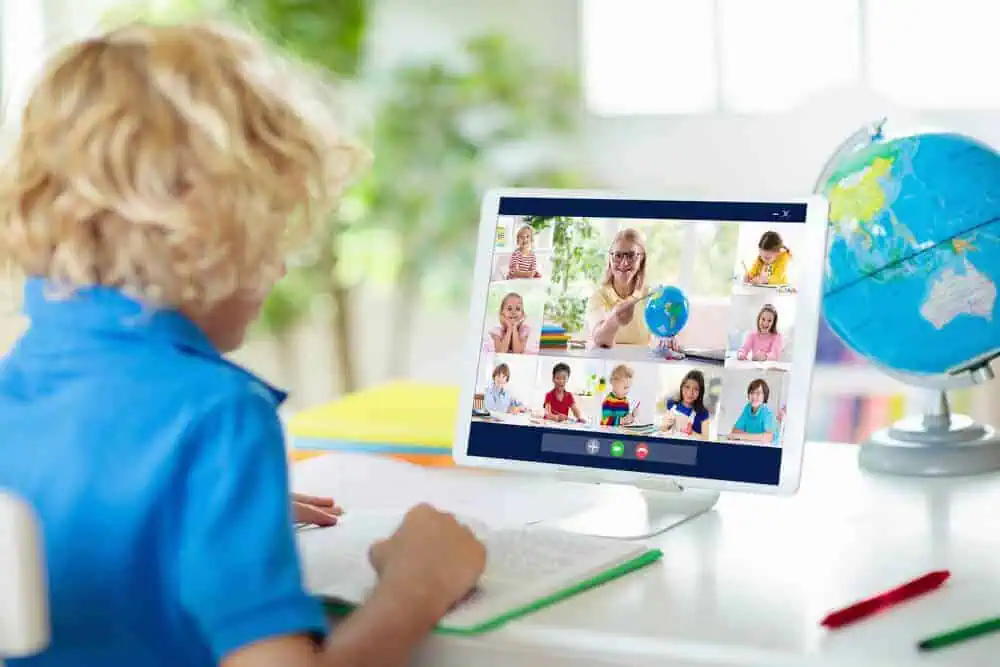
Virtual learning is becoming increasingly common in schools across the country. For many districts, the conversation is no longer whether to adopt virtual learning, but how to implement it in a way that truly helps students learn and thrive. While some forms of online learning allow students to move at their own pace, not every model delivers the same level of engagement or outcomes.
At the same time, research has shown that when virtual classes rely too heavily on self-paced models without strong teacher interaction, students may struggle. The difference often comes down to how online teaching is structured and whether students have consistent access to real-time instruction.
Done well, virtual learning can strengthen the classroom experience, expand access to specialized courses, and create meaningful connections between students and teachers. The key is choosing the right model.
What Is Virtual Learning?
When many teachers and districts ask this question, they are usually trying to understand how teaching online differs from instruction in a traditional classroom setting. At its core, virtual learning refers to instruction delivered through digital platforms using a computer and a reliable internet connection rather than exclusively face-to-face instruction. It can take many forms, from structured online school programs to supplemental tutoring, enrichment courses, and even full-time online education pathways.
A well-designed virtual learning environment uses digital tools to deliver curriculum, facilitate instruction, and track student progress. These programs may include online classes, livestreamed instruction, interactive learning activities, and digital material aligned to state standards.
Understanding how virtual learning works and the different models available helps districts make informed decisions about which approach best supports their students, teachers, and long-term goals.
Models Available
There are two common online teaching models available: asynchronous and synchronous.
Asynchronous online courses provide students with study materials such as video lectures, digital textbooks, and assignments. These online courses typically allow students to move at their own pace on their own schedule in a self-paced format.
While this structure can offer convenience and more flexibility, these courses provide minimal or no interaction with a teacher or fellow students in real time. While students can send messages and information to a teacher and receive teacher responses, the interaction doesn’t build the collaborative environment students need in order to develop critical thinking skills.
Synchronous online courses, on the other hand, mimic in-person learning by allowing students to talk with a teacher and fellow students in real time. Learners are able to ask questions immediately if they don’t understand a concept presented in class. Students can also benefit from listening to the teacher’s response to fellow learners’ questions and comments.
Students in a synchronous class study in a classroom rather than on their own. This setting enables learners to make friends with fellow students. Such friendships not only help students feel happy but also impact their learning abilities. Research shows that friendships can improve both academic performance and grade point average.
Furthermore, a teacher livestreaming into class can immediately see how the class is grasping important concepts and make accommodations to ensure all learners understand the material before moving on. Online instructors can observe student understanding in real time and adjust instruction accordingly.
How It Works
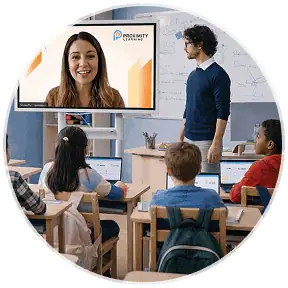
In a synchronous virtual learning model, teachers deliver live instruction according to the school’s established schedule. Students gather in a classroom with an in-person facilitator while the teacher connects through secure video tools like Zoom or Google Meet. This approach maintains structure while expanding access to qualified educators across the country.
A key component of this model is the Learning Management System (LMS). An LMS such as Canvas or Schoology serves as the centralized hub where teachers upload lesson plans, track attendance, post assignments, and monitor grades. Students can also access coursework, submit assignments, and receive feedback within this organized system. Additional digital resources, including interactive whiteboards and collaborative tools, enhance the learning experience without replacing direct instruction.
This structure allows districts to maintain accountability, ensure consistent instruction, and provide students with the same expectations they would experience in a traditional classroom.
The Benefits of Virtual Learning
When districts implement synchronous models intentionally, the benefits of virtual learning platforms become clear. This approach combines structure, accessibility, and flexibility in ways that support both students and teachers. Some ways it does so include:
- Expanded access: Schools gain access to certified teachers nationwide, helping fill vacancies in specialized subjects.
- Consistent instruction: Students receive live, structured lessons rather than relying solely on self-paced material.
- Meaningful connections: Real-time engagement allows learners to participate, collaborate, and build relationships with teachers and fellow students.
- Scheduling flexibility: Districts can maintain their existing school year calendar while benefiting from more flexibility in staffing.
- Broader course offerings: Schools can add advanced, elective, or specialized courses that may not otherwise be available locally.
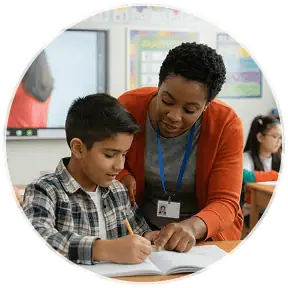
- Improved engagement: Interactive learning activities and live instruction help students stay focused and involved. Students can also work in small groups or on a one-on-one basis.
- Career opportunities for educators: Virtual models create legitimate online teaching jobs for experienced professionals seeking a new career path or flexible schedule.
These benefits demonstrate that thoughtfully designed virtual education supports both instructional quality and long-term district sustainability.

How to Implement a Successful Virtual Learning Model
A synchronous online education is the best option for students without a certified teacher physically present in the classroom. Even so, livestream classes on their own won’t guarantee student success. There are some steps you’ll need to take to ensure your teachers and students have the resources they need to succeed. The following strategies help ensure long-term success.
Assess Your Learners’ Needs
Not all synchronous virtual learning solutions are ideal for every school. To pick the classes that are right for your institution, consider the following factors:
- The number of students you have in each class
- The learning material you need to cover
- The number of teacher vacancies you have, and which classes you need
- Special interests students have in particular academic subjects
- Accommodations that need to be made for IEP and 504 students
Choose the Right Tools for the Job
Choose synchronous learning software that’s user-friendly for teachers and students alike. You want educators and learners to focus on the learning process, not sort out technical glitches.
A good LMS will allow teachers to keep track of student attendance, progress, and grades. Furthermore, teachers and learners alike can benefit from additional digital tools that make learning fun for all involved. These may include an interactive whiteboard, tools for creating interactive quizzes and games, and discussion boards where students can share information and collaborate on group projects.
You’ll also need the right hardware for your virtual education set-up. Quality cameras and microphones allow students and teachers to communicate easily. You’ll need a stable internet connection, so there are no technical problems during class. Make sure students and teachers alike have computers with the software needed to make the most of virtual classes.
Prepare Facilitators and Students
Facilitators should be given the opportunity to learn how to use the new virtual learning setup and virtual learning tools before the start of a new semester or academic year. It’s also wise to provide some cybersecurity training and guidelines to protect students’ personal data.
Students should likewise know how to use the tools and features they’ll be working with during the school year. They should be able to log on to livestreamed classes, communicate with other learners and the teacher, submit assignments, etc. At the same time, hardware and software issues can arise at any time, so be sure to have someone on hand to fix problems quickly.
Make Expectations Clear
If your students are used to learning on an asynchronous learning platform, they may need some guidance and instruction in order to successfully switch to a synchronous virtual education set-up.
Students should be prepared to interact with their teacher and peers, just as they would if a teacher were present in the classroom. Allowing learners to connect with each other builds connections and friendships that improve the virtual learning environment.
Learners should know how to go about asking questions or getting help. Teachers will make it clear when students can ask questions or comment on the class material. There will also be clear communications regarding deadlines for completing homework and group assignments.
Monitor Student Progress
Regular monitoring plays a key role in student success. This holds true for virtual learning and in-person learning alike. Keeping track of grades is a good way to see if your learners are making progress in key subjects; however, it’s not the only metric that needs monitoring.
Encourage facilitators to share their insights on how students are progressing in the new virtual learning environment. Are learners happy and eager to take part in classes? Do they work well together on group assignments? Are they well-behaved and respectful to the teacher and each other? Are homework and assignments turned in on time?
At the start of each school year, reassess your needs to see if you need to make changes to your virtual learning model. As some students graduate and others enter new grades, you may need to add new classes and/or remove old ones. Perhaps new accommodations are needed to help new students grasp key concepts.
Why Work with Proximity Learning?
While many schools experimented with online learning during the past few years, sustainable success requires expertise. Proximity Learning brings more than fifteen years of experience in online teaching, connecting certified teachers with schools nationwide.
Expansive Course Catalog
Proximity Learning offers a comprehensive selection of K–12 courses designed to support diverse district needs. Our catalog includes:
- Core classes: Math, Science, English, Social Studies, and foundational subjects aligned to state curriculum standards
- Specialty courses: CTE programs, arts, technology, and career-focused classes that expand student opportunities
- World language classes: Spanish, French, Chinese, and additional language offerings that broaden global perspectives
- Special education case management and support services: Tailored instruction and accommodations aligned to IEPs and 504 plans
- Tutoring and summer programs: Supplemental support delivered live to help students strengthen skills and prepare for college and future careers
This breadth allows districts to meet student needs without compromising instructional quality.
Excellent Qualified Online Instructors
Our online teachers are state-certified professionals who meet rigorous qualifications, holding at minimum a bachelor’s degree, and many possess a master’s degree. They bring experience in both in-person and virtual teaching environments and understand how to build meaningful connections through online instruction.
All teachers are evaluated using the National Virtual Teacher Association (NVTA) rubrics, and we observe them every week and provide feedback and resources to keep them performing their best. We also provide training and bi-weekly professional development in line with NVTA standards.
Tailored Instruction on Your Schedule
Proximity Learning integrates seamlessly with your school’s existing calendar and bell schedule. Classes are delivered live, maintaining structure within your established classroom routines. Instruction is aligned to state standards and customized to support district goals throughout the school year.
Strengthen Your Virtual Learning Environment with Proximity Learning
Sustainable virtual learning requires more than technology—it requires experienced teachers, structured instruction, and a model built for long-term success. While educators and students are more familiar with virtual learning than they were in 2020, challenges remain for educational institutions and students alike. Thankfully, you don’t have to solve all the problems on your own.
With over fifteen years of experience, partnerships in 400+ schools, and more than 3,000 classrooms staffed nationwide, Proximity Learning delivers reliable online teaching solutions districts can trust. Our synchronous virtual learning curriculum makes learning engaging and fun, and we tailor our classes to meet your state’s educational standards.
If your district is exploring ways to expand access, strengthen instruction, and create a successful virtual learning environment, now is the time to act. Talk to us today to learn how Proximity Learning can support your students, teachers, and school community.