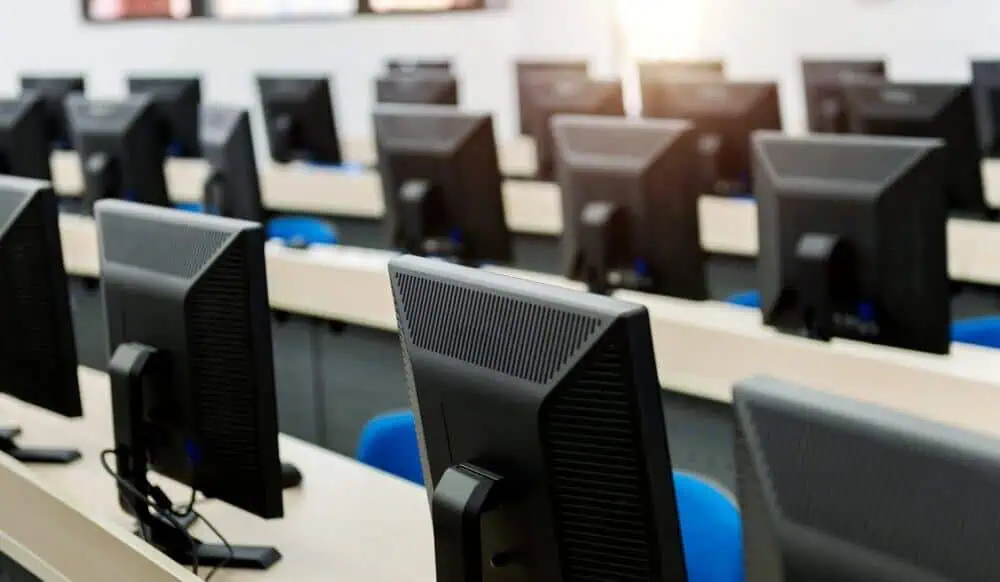
After emergency online learning was forced on schools during the COVID-19 pandemic, educational institutions have moved to integrate virtual teaching into the “new normal”. Many schools are investing in new tech equipment and converting physical space into classrooms that are conducive to online learning. The advent of AI has only helped accelerate the trend as jobs that used to be done by teachers and administrators can now be fully or at least partly automated.
At the same time, there is a lot more to providing a successful virtual education than buying computers and choosing virtual courses. Careful research, planning, and a thorough understanding of how children learn are in order to ensure a virtual teaching set-up empowers students to reach their full potential.
Virtual Course Offerings: Understanding Key Differences Between Synchronous and Asynchronous Learning
A virtual course can be synchronous, asynchronous, or a hybrid/blend of the two learning formats.
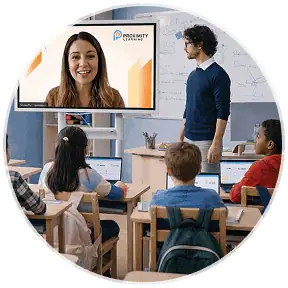
A synchronous course is taught live. Students interact with the teacher and with each other. Studies show that this is an ideal learning environment because it promotes accountability and self-discipline, helps students enjoy their studies, and enables learners to build community and learn from their peers.
An asynchronous class is pre-recorded. Students watch and read the course material at their leisure. If they have questions about online coursework, they send in a question which the teacher answers later on. This type of learning is ideal for students who have self-discipline and do best learning at their own pace. However, it doesn’t offer the same benefits as a live online or in-person learning environment.
A blended class environment is designed to offer the best of both worlds. It includes live classes and/or in-person classes combined with asynchronous courses. However, there are concerns that this set-up doesn’t fully meet students’ educational and mental health needs. A 2021 survey conducted by the CDC found that children who studied in a combined synchronous and asynchronous environment experienced more mental and emotional health problems than students who received in-person instruction.

How to Choose the Best Virtual Education Format for Your School
Technology has much to offer but it can’t take the place of a physical classroom or live, online interaction with other human beings.
A good online environment for your school is one that offers:
- Live classes on your school’s bell schedule
- Classes on subjects that you need to cover to meet state requirements
- Classes on topics that your students show interest in, or that can meet the needs of advanced learners
- The ability to record live classes for those who can’t attend that day and for students who attended the class but want to review the study material
- Access to certified teachers who love teaching, are able to make your learners feel comfortable, and have the training and tools needed to meet your students’ needs
- A tech platform that promotes collaboration in the form of discussion boards, monitored online chat forums, etc.
- High-quality lesson plans that meet your state’s educational requirements and provide learners with plenty of engagement and hands-on learning opportunities
- Flexible instruction to meet the needs of students on an IEP or 504 plan
- Homework and study assignments to accompany subjects taught in class
Ask for Input
Making sure you have virtual or in-person teachers for core subjects is imperative.
At the same time, there may be courses that aren’t mandatory but that could benefit your learners. Perhaps they are specialized in nature. Maybe they’re advanced placement courses, CTE classes, or electives. In any case, giving students access to courses related to their future career plans will increase learner engagement while preparing students for graduation.
Ask your learners, their parents, and your teachers for input before selecting classes. Doing so ensures you’re not missing valuable information that could help you make an informed decision.
How to Help Students Transition to Virtual Learning
A 2023 study found that over half of 5–11-year-olds and about 66% of 12–13-year-olds spend more than half of their recreational time online. Your students are likely used to spending lots of time on a screen but that doesn’t mean they’ll automatically adapt to your new virtual classrooms.
To prepare your students for their new virtual classes, it’s a good idea to take the following steps:
Communicate About Classes and Class Schedules
Students and parents should have their class schedule in hand before the new school year or semester starts. They should know where classes are held, what time classes are held, and who is teaching each class. Clear communication between the district and parents is essential.
Clarify Expectations
- When quizzes/tests will be administered
- The passing grade for the course
- When grades will be posted
- Who to talk to about testing accommodations

Prepare Students for Synchronous Learning
Many students are used to virtual learning, but not all of them may be prepared for a live class. Make sure students know they’ll be expected to engage with the teacher and other students, collaborate on class assignments, and participate in online discussion boards.
Online Courses from Proximity Learning
Proximity Learning has over 15 years of experience connecting certified teachers with schools throughout the nation. Our team of experienced, virtual educators specializes in offering live online classes to meet your needs and specifications. These include:
- A wide range of course offerings
- Summer classes
- Virtual tutoring
- Classes for special needs students
- Classes on specialized topics
- High-quality instruction and course materials adapted as needed to meet your state’s educational requirements
- Flexible class scheduling to meet your precise needs. Do you need classes every day, every other day, weekly, or bi-weekly? Let us know and we’ll make it happen.
Virtual instruction has much to offer students of all ages and walks of life. It gives students access to certified, qualified teachers in all parts of the country, not just their local area. It allows learners to take specialized courses. It can also meet the needs of students who can’t attend classes at specific times.
Nonetheless, not all virtual courses are equal. In addition to meeting educational qualifications, an online schooling set-up needs to also meet your learners’ need to interact with others and build community. Synchronous learning is the way of the future and the best way to meet all your learners’ needs.