

Written: February 2024 Updated: March 2026
When we think about Black History Month (BHM), it’s easy to focus on the calendar. But stories, like the Dorvera Owens Personal Story on BHM, remind us that this recognition is deeply personal, generational, and ongoing. What began as Negro History Week 100 years ago grew into a national commitment to honor the achievements and contributions of Black Americans, yet the purpose has always extended far beyond the month of February.
Recognizing African American history is about telling the full story of American history—the triumphs, the struggles, and the lasting impact on our country. When we intentionally celebrate Black history in our schools, we give students a clearer understanding of the past and a stronger sense of where we’re going.
Yet recognition should not stop when the calendar turns to March. Teaching Black history year-round strengthens understanding, deepens cultural awareness, and ensures that students see a complete and accurate picture of our shared history. When we intentionally celebrate Black history, we build a stronger foundation for education rooted in truth, respect, and inclusion.
What is Black History Month?
Black History Month, or African American History Month, is recognized annually in February.
The celebration began 50 years after the Emancipation Proclamation, when education did not keep up with the recent political changes. National Geographic Kids explains, “In 1915, in response to the lack of information on the accomplishments of Black people available to the public, historian Carter G. Woodson co-founded the Association for the Study of Negro Life and History. In 1926, the group declared the second week of February as ‘Negro History Week’ to recognize the contributions of African Americans to U.S. history. Few people studied Black history, and it wasn’t included in textbooks prior to the creation of Negro History Week.
“This week was chosen because it includes the birthdays of both Frederick Douglass, an abolitionist (someone who wanted to end the practice of enslaving people), and former U.S. president Abraham Lincoln. President Lincoln led the United States during the Civil War, which was primarily fought over the enslavement of Black people in the country. Many schools and leaders began recognizing the week after its creation.”
It would take almost 50 years for the observation to include the entire month of February. NGK continues, “The week-long event officially became Black History Month in 1976 when U.S. president Gerald Ford extended the recognition to ‘honor the too-often neglected accomplishments of Black Americans in every area of endeavor throughout our history.’ Black History Month has been celebrated in the United States every February since.”
Celebrating African American history in February acts as a reminder of how we need to incorporate this recognition all year long.
Cultural Significance
The cultural significance of Black History Month extends far beyond a single week or month of February. The study of African American history and the broader African American experience plays an essential role in helping students understand the full scope of American history. For many years, the contributions of Black people, Black Americans, and other marginalized voices were excluded from textbooks, shaping an incomplete narrative of our country’s past.
African Americans have made innumerable contributions to society and deserve the same recognition as their peers of other races. Additionally, it is essential that students learn the full history of this country because many Black historical leaders and events were excluded from curricula until Negro History Week started. It is important to make up for those mistakes and ensure students receive a quality education that includes all of the context.
The establishment of the first Negro History Week, which Carter G. Woodson founded through the Association for the Study of Negro Life and History, marked a critical turning point. When Woodson established this annual observance, he recognized the need to center Negro history, amplify overlooked stories, and preserve the life and history of Black folks in America. The later expansion into National Black History Month strengthened that commitment and broadened opportunities to honor the achievements and origins of Black communities across the country.
How to Incorporate Black History into Everyday Life
Today, Black History Month is celebrated in communities and schools, recognizing past and present contributions. It’s easy to incorporate historical acknowledgement into your everyday activities this month and year-round. You can:
- Listen to music by Black artists
- Support local African American-owned businesses and restaurants
- Donate to organizations that advance equal justice and support youth
- Read books written by African American authors and watch tv shows and movies that feature Black directors and actors
Seek representation in your everyday life by supporting the important work of all people. Then, have students connect their own thoughts and input with classmates in meaningful classroom discussions and lessons.
No matter the year, February serves as a time to spur new ideas of how to recognize African American contributions and continue that recognition throughout the year. Intentional teaching that integrates Black culture, civil rights, the legacy of the Civil War, and the lasting impact of the Civil Rights Movement ensures that students receive a complete and balanced view of history in American schools.
Ms. Dorvera Owens, Proximity Learning Science Teacher
Virtual science teacher Dorvera Owens earned her teaching certification plus a master’s degree in Instructional Design for Online Learning. She has taught with Proximity Learning since 2016. She teaches 6 high school science classes in Memphis Shelby County Schools.
An experienced educator, Ms. Owens has taught in every form – in person, virtual, public, private, special education, gifted and talented, and community college. She ended up sticking with Proximity because she can teach from home, choose her own schedule, and stay in public education.
It is important to Ms. Owens that she teaches in public schools. Shelby County Schools primarily serve minority students, many of whom qualify for free and reduced lunch. The district has been hit hard by the national teacher shortage crisis and has many teacher vacancies. When those vacancies cannot be filled by a certified teacher, schools are forced to increase class sizes, hire long-term substitutes, or other underqualified instructors. With Proximity Learning and teachers like Ms. Owens, students can access a certified, expert science teacher and receive a better education.
Teaching from home lowers her stress. “It gives me the convenience of working a schedule that I enjoy. I get to work from home, save a whole lot of gas, reduce my carbon footprint, and I get to teach students in public education, which makes a big difference. I’m not just teaching kids virtually, but I’m teaching kids virtually who are in a school that needs a certified, qualified science teacher. Proximity Learning gives me the opportunity to continue doing what I’m doing with reduced stress.”
Ms. Owens’ Family Values
“It’s good that we recognize the month of February for African American studies, but I think it should be something we incorporate all year in our curriculum.”
“I am grateful that a month has been dedicated specifically for this purpose. I have pretty much been raised knowing about my own culture as an African American here in the United States. My grandfather was originally from Alabama and moved to Baltimore for better opportunities for his family. He was a jack of many trades and master of a few of them. He did many things, had 7 children, and was able to do all that with just an eighth-grade education.
“During the ‘50s, when he moved from Alabama, racism was very prominent in the South, and Maryland was still segregated. My grandfather represented something very significant. He valued education as number one. He was proud to say that all 7 of his children had a college education.”
What does African American history mean to you?
“African American history does have a great meaning to me because I was born in the ‘60s. I experienced a lot of things as a child that made me question, ‘Why were things this way?’ I had a family that shared our history and was very closely united together in a lot of things that we do and still do. Growing up with that type of background gave me a lot of perspective on what it is to be an American, period. And then a person of African descent in America. There is a bit of a difference.
“I went to a Historically Black College and University (HBCU), Morgan State University here in Baltimore. At Christmas time, we did a survey for my family, and I learned 11 of us from 3 different generations attended Morgan State University in some capacity or another for our undergraduate, graduate degree, or doctorate.
“My grandfather, who moved here specifically to make sure his family had opportunities he did not have in Alabama, made a world of difference in our lives.”
How has your life been impacted by the generations that came before you?
“I have experienced racism. I’ve had experiences with going into stores as a child and not being able to try on clothes with my grandmother. I’ve had experiences of having to do things and say things and behave in a different way for fear of consequences that maybe other people may not have experienced. And so I grew up understanding that there was a way that my parents lived and conducted their behaviors and affairs publicly. There was a way that my grandparents did it that was totally different and was far more fearful. And then there was a way that I did, and I didn’t really experience the same things that they did on the same level, but I was aware of it. I had more freedom.
“I have more opportunities. I had more ways of being able to interact with other people because I didn’t go to schools that were segregated, like my grandparents did, or my parents did.
“Doors opened for me as a child in the ’60s during the Civil Rights Movement, which my parents were very much involved with. And so I had a great responsibility.
“The responsibility is carrying a legacy that my grandparents started, and even their parents before, who were sharecroppers in Alabama, and their grandparents who were enslaved.”
Building a Legacy Starts in the Home
“African American History Month is an opportunity to share that history and to share the legacies that our families are building. Our families should value education, and I fear that we’re getting into a generation that doesn’t value education the same way that I did or my grandparents did – as a vehicle, [as a form of upward] mobility. And so then we start to lose some of our history.
“We also lose some of who we are and where we’re supposed to be going, not just as African Americans, but as people generally. Because we all have history here – we all came here some way or another.
“We need to understand that we’re trying to build something that we all can appreciate and pass on to our children and their children. Whether it’s protecting our environment, protecting our human rights, or protecting everything that we believe in.
How People Can Get Involved
“It starts in the home and swells into the community. Read with your children and fill in the gaps. Give credit to the African Americans who have impacted American history. Then, research volunteer and learning opportunities in your own community, so you can participate. Pass down the value of a rich education – it starts at home.
“I think that when we’re raising our children, we should give them every opportunity to learn about their own culture and other people’s cultures, not just African American culture. Because if you don’t have anything to compare it to, you don’t understand, maybe, how things can be different and how different identities and points of views can be formed. So I think that visiting museums, going to the library, is important.”
Diversified storytellers are essential. “History is always from the perspective of the people who write the books, so we should have many people adding to our American history. It should be many different cultures and religious points of view that go into our American history that we’re teaching to our children.”
We must include a full history – even when it’s uncomfortable. “If we forget the bad things as well as the good things, then we’re destined to probably make some of the same mistakes. And so I think that there are some things that we’re just not proud about that are ugly.
“They are what they are. It happened. There’s no denying that. It’s not about sweeping it under the carpet or getting rid of it. It’s about telling it from different perspectives and respecting that every person has a point of view that may not always be shared by everybody. But it’s still there, and it’s important. It shapes how we think about ourselves and how we view each other. If we can start respecting those things and understanding those things aren’t bad, they’re just different, then we can start respecting each other in different ways as well.
“I really am not a person that likes division. If I was representing myself with an object, it would be a scale. I like balance to things. When the scale tips one way or the other, that unbalance causes confusion and division. We need to keep things balanced. And when we do, I feel like there’s justice and equality.
“I’m an educator, and I definitely believe in education in schools. I support it 100%, if not more, if that’s possible. But I believe that parents need to educate their children and not wait for the schools to tell their children what they should think or believe.”
When honoring the heroic efforts of African Americans, Ms. Owens says don’t wait. “Just do it and don’t wait until February to do it because then the kids feel like it’s not real. The kids expect that in the month of February, they’re going to get bombarded with a lot of information about African American history.
“I think that we should be incorporating different cultures and history throughout the school year, so that it’s not just something we do for a month, but it’s something that we continually do. And then the kids kind of are used to it, and they don’t see it as a gimmick. They feel like it’s real, and it’s something they really should be knowledgeable about, not just for 28 days.
Appreciation for Proximity Learning
“I really appreciate Proximity Learning and their commitment to sharing information about many different cultures that work for the company. That is meaningful . . . growing the way that it is, needs to show inclusiveness of all beliefs as well as all cultures. That is how we’re going to stay within the schools and how we’re going to stay a company that serves the communities that we are working with.
“We need to challenge our kids, since we are not in the communities that they live in, to add to their own communities to make a difference. We can encourage them to see how they can make donations, build awareness, or serve their communities. We need to challenge our students to do that.”
Free Virtual Black History Month Events for Teachers
It’s easy to incorporate African American history into your home, community, or classroom with a variety of free online resources. Be sure to research additional volunteer opportunities and events in your local area. As always, we encourage you to use them all year long. It’s not just relevant in February.
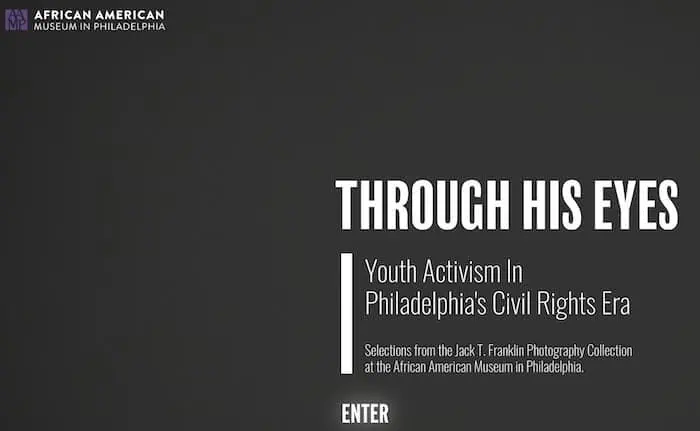
African American Museum of Philadelphia hosts “Through His Eyes,” a collection of black-and-white photographs of local youth activists who participated in the Civil Rights Movement.
All month
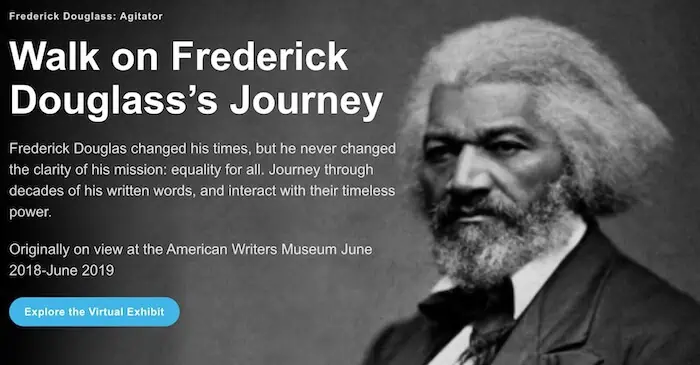
American Writers Museum in Chicago has uploaded its popular “Frederick Douglass: Agitator” exhibition as an online show that explores the lifetime of the esteemed abolitionist, writer and statesman through handwritten manuscripts, portraiture, and more.
All month
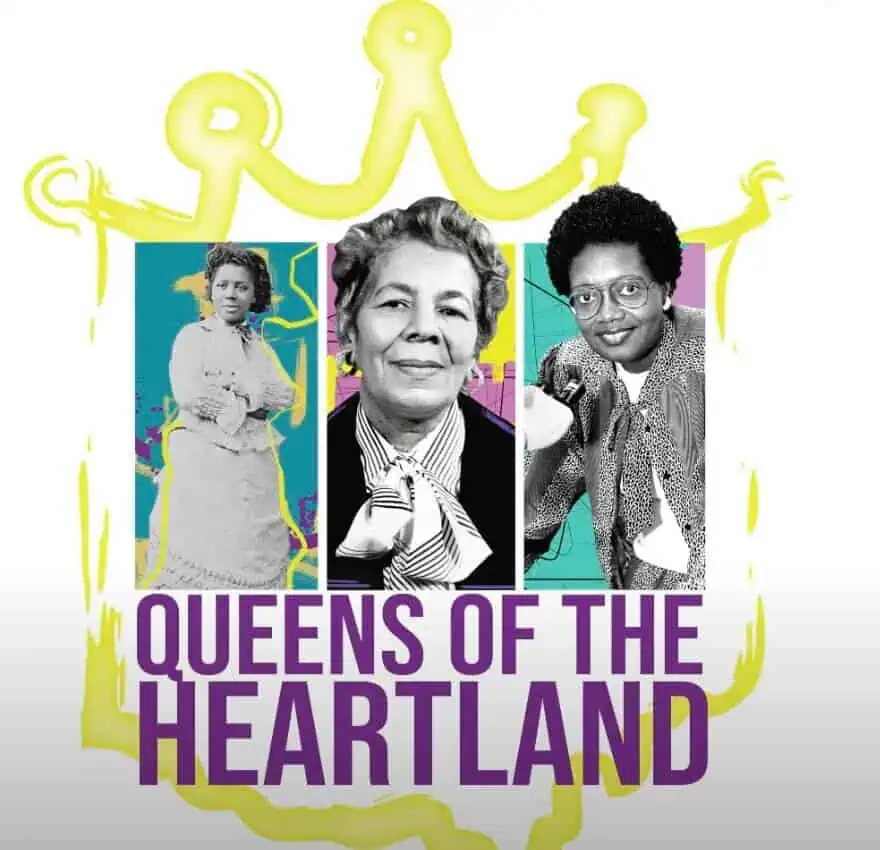
The National Afro American Museum and Cultural Center near Dayton, Ohio, is offering curator-led video tours of its current exhibitions. “Queens of the Heartland,” looks at 30 influential black women in Ohio history, including Fanny Jackson Coppin, a missionary and educator, and Mary Church Terrell, a suffragist and writer.
All month
Build Legacy Through Inclusive Teaching With Proximity Learning
Recognizing Black History Month is important. Continuing to center Black history, African American life, and the full breadth of American history throughout the year is even more impactful. When educators commit to meaningful teaching, inclusive lesson plans, and diverse resources, they help students understand not just the past but how it shapes the world they live in today.
For over 15 years, Proximity Learning has partnered with more than 400 schools and staffed over 3,000 classrooms with certified teachers committed to equity, representation, and strong instruction. Our educators lead dynamic, live courses that ensure students receive thoughtful, inclusive lessons grounded in accurate history and meaningful culture.
Ms. Owens’ story is a reminder of why teaching matters, and why who teaches matters. If you’re a certified educator looking to make a difference in students’ lives across the country while teaching on a schedule that works for you, Proximity Learning wants to hear from you. Apply for a virtual teaching job today.