
Keeping students engaged is one of the greatest challenges and opportunities in today’s classrooms. When it comes to engaging students in online language learning, success depends on more than lesson plans or software. It’s about creating an online learning environment where students connect with their teacher, each other, and the target language in meaningful, human ways.
In synchronous instruction, students hear authentic voices, see facial expressions, and respond to clear expectations that mirror those found in traditional classrooms. They participate in interactive activities, share ideas, and build confidence through authentic conversation. When teachers intentionally design learning activities that foster collaboration and curiosity, student engagement becomes the driving force behind mastery and motivation, and that’s where real progress in language learning begins.
What is Online Language Learning?
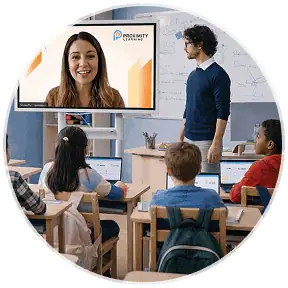
Synchronous online language learning combines the immediacy of livestreamed instruction with the flexibility of modern digital platforms. In this model, language students join classes led by certified, livestreamed teachers in real-time, listening, speaking, and responding just as they would in a traditional classroom.
Unlike pre-recorded video lectures, synchronous online education centers on interaction, collaboration, and feedback, creating a dynamic learning environment that keeps students engaged and motivated throughout the learning process. The strength of this approach lies in how it mirrors real communication. Students learn the target language through discussion, repetition, and application rather than passive observation.
Tools and Methods for Instruction
In synchronous online language learning, certified teachers livestream into classrooms to deliver real-time lessons that follow the district’s schedule. Students interact with their teacher and peers through video conferencing tools that facilitate natural conversations and authentic language learning opportunities.
A Learning Management System (LMS), such as Canvas or Schoology, is a centralized digital platform that serves as the hub for classes, where teachers take attendance, manage assignments, and track grades. Within the LMS, teachers post course materials, discussion prompts, and written assignments, while separate video platforms and digital tools bring interactivity to the learning process.
Together, these systems create a structured, accessible online learning environment where students can participate actively, reflect on their progress, and stay connected to their instructor.
Making It Work for Your District
To bring this model to your district, you need to:
- Identify online teaching needs based on enrollment data and language education goals.
- Find a partner with certified teachers experienced in synchronous online instruction, like Proximity Learning, to ensure compliance with standards and quality expectations.
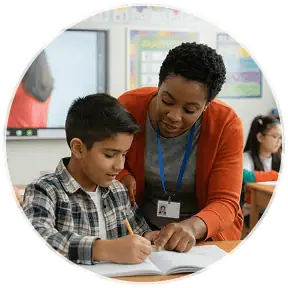
- Train in-person facilitators to manage the classroom side of livestream instruction and to help students stay focused and engaged.
- Establish clear expectations for attendance, participation, and feedback, so both teachers and students know how success will be measured.
When implemented with structure and purpose, synchronous online classes can expand your district’s world language offerings and dramatically increase student engagement.
5 Best Techniques for Engaging Students in Online Language Learning
Engagement in online language learning doesn’t happen by chance. It comes from structured, interactive lessons that give students authentic ways to practice the target language. In synchronous instruction, consistent communication and feedback turn participation into lasting motivation. Here are five effective methods teachers use to strengthen engagement and connection in every online language class.
1. Create a Supportive Learning Environment
Strong student engagement starts with trust and consistency. When teachers create a supportive online classroom, students feel comfortable making mistakes, asking questions, and practicing new skills without fear of judgment.
Instructors can use warm greetings, encourage collaboration in small groups, and celebrate progress to build confidence. Tools like breakout rooms and small-group discussions help students connect and participate actively.
Clear communication through LMS ensures everyone knows how to find class materials and submit assignments. A welcoming, organized environment is the foundation of effective language instruction.
2. Set Clear Expectations
Students are more likely to stay motivated and focused when they know what’s expected of them. Setting clear expectations for participation, attendance, and assignments gives students structure and accountability.
Teachers can post rubrics, deadlines, and instructions within their preferred LMS to keep expectations transparent. Clarifying goals for each lesson and explaining how progress will be measured helps students take ownership of their success and continue improving.

3. Incorporate Interactive Activities
Interactive, hands-on learning keeps students involved and energized. Teachers can sustain engagement and reach different learning styles with tools such as:
- Digital flashcards
- PowerPoint presentations
- Polls
- Breakout rooms
Activities such as role-playing, group projects, and virtual games create natural opportunities for conversation and interaction. They also allow teachers to observe participation, offer feedback, and gauge language comprehension in real-time.
4. Teach Through the Target Language
For practical instruction, the target language should be the primary means by which students communicate, not just the topic they study. Speaking the language for directions, greetings, and discussions helps students naturally absorb vocabulary and grammar.
Encouraging students to think and respond directly in the language deepens comprehension and builds confidence. The goal is full immersion: helping students hear, speak, and interact in ways that reflect real communication rather than translation-based lessons.
5. Continuously Adapt and Provide Feedback
Effective online teaching evolves with every class. Monitoring student engagement helps teachers adapt to different learning styles and skill levels. Frequent, actionable feedback keeps students informed and connected to the learning experience.
Tools like discussion posts, chat boxes, and interactive platforms allow teachers to respond quickly and meaningfully. Consistent reflection and open communication motivate students and strengthen relationships between teachers and learners, leading to stronger language outcomes over time.
Bring Authentic Student Engagement to Every Classroom with Proximity Learning
Sustained student engagement doesn’t happen by chance; it results from skilled teaching, thoughtful design, and genuine human connection. When teachers use synchronous, livestreamed instruction, they create an online classroom that mirrors the energy of a physical one, keeping students engaged through interaction, curiosity, and communication in the target language. Every lesson becomes a space where students explore culture, build confidence, and develop their language skills in real-time.
With over 15 years of experience in synchronous instruction and 3,000+ classrooms staffed nationwide, Proximity Learning empowers districts to deliver impactful language instruction through certified, livestreamed teachers who know how to connect with learners. By combining innovative technology, engaging activities, and a focus on live interaction, we help schools turn online classes into transformative experiences that support long-term success.
Talk to us today to learn how Proximity Learning can help your district engage students in meaningful online language learning and build confident speakers ready to thrive in any classroom.