
A teaching license matters, but great virtual teaching takes more than moving an experienced educator from the front of a classroom to the other side of a screen. Certified virtual teachers need the subject expertise of strong classroom educators plus the training to keep students participating, thinking and connecting during live online instruction. That’s why Proximity Learning puts so much emphasis on who teaches our students and how we prepare them for the virtual classroom. For district leaders, understanding the certification, specialized professional development, technology skills and ongoing support behind our teachers can make all the difference when choosing a virtual staffing solution. Great online learning still starts with a great teacher and we make sure ours are prepared to deliver it.
What Is a Certified Virtual Teacher?
A certified virtual teacher is a licensed educator who teaches students remotely using digital technology. Like teachers working in a traditional classroom, certified teachers hold appropriate credentials for the grade level or subject area they teach. They also bring knowledge of curriculum, assessment and effective instruction to their classes. Virtual instruction can be synchronous or asynchronous. In Proximity Learning classrooms, state-certified teachers provide live, synchronous online teaching. Students interact with a real educator during their scheduled school day rather than completing an independent online course on their own.
How Synchronous Virtual Teaching Works
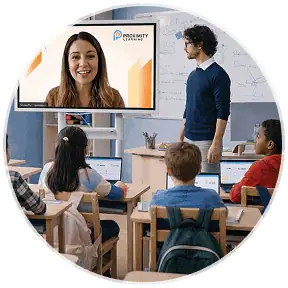
During a Proximity Learning class, the teacher livestreams into the physical classroom using videoconferencing technology. An in-person facilitator supports students on-site. The virtual teacher leads the lesson, asks questions, provides feedback and interacts with students in real time. This human-to-human approach is central to Proximity Learning’s model. Technology serves several different roles. A Learning Management System, or LMS, acts as the digital home base for the class. It can help teachers and students manage:
- Coursework
- Assignments
- Grades
- Attendance
- Learning resources
- Assessments
Teachers can also use interactive tools to create activities, check understanding and encourage participation. Together, live video, the LMS and interactive technology give students access to online education while keeping a real teacher present.
What Makes a Great Virtual Teacher?
Strong online teaching isn’t about finding new ways to keep students staring at a screen. It’s about knowing how to use the virtual format to keep them involved. Great virtual teachers combine the fundamentals of effective teaching with skills developed specifically for the online environment. These include:
- Strong credentials and subject expertise: Appropriate certification and expertise in the specific content area help ensure students receive instruction suited to their course and grade level.
- Training in virtual pedagogy: Effective teaching online requires educators to intentionally adapt their practice for a digital setting. Training in virtual pedagogy and online course design helps make that possible.
- Confidence with technology: Teachers should move comfortably between videoconferencing software, an LMS, digital assessments and interactive tools without disrupting the lesson.
- Active student engagement: Skilled teachers create frequent opportunities for students to answer questions, collaborate with peers and demonstrate understanding.
- Responsive, data-informed instruction: Student work, participation, attendance and assessment results help teachers identify who may need additional support.
- Clear communication and connection: A great virtual teacher is still a present, accessible person. Consistent communication helps create a supportive learning community for students and families.
Why Virtual-Specific Training Matters
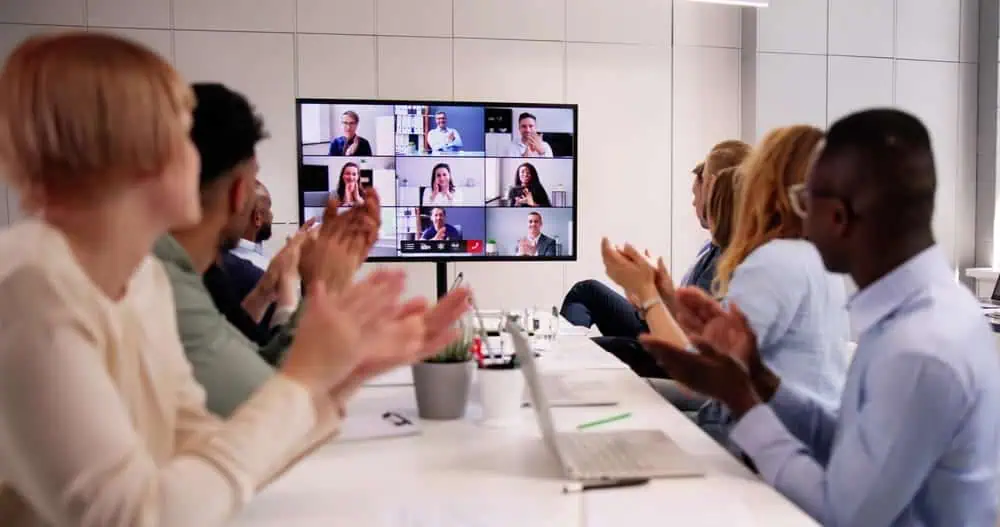
A teaching credential provides the foundation, but effective online instruction also requires skills educators may not develop in a traditional classroom. That’s why some states and programs require additional professional development specifically for online education. The Texas Virtual School Network, for example, requires teachers providing TXVSN online courses to complete approved professional development. TXVSN Central Operations also requires educators to document that training and complete continuing professional development every three years. Approved training can help prepare educators for topics such as online course design, digital communication, student engagement and online assessment for core and elective courses. Teachers can receive a certificate of completion after completing approved training. Requirements vary by state and program, but the takeaway is straightforward: certification confirms teacher qualifications, while virtual-specific training helps educators be successful at using those qualifications online.
Inside Proximity Learning’s Teacher Training and Certification
Proximity Learning doesn’t just look for educators who can teach. We look for certified teachers with the qualifications and preparation to make live virtual instruction work in real K-12 classrooms. Proximity Learning teachers are matched with classes based on district needs, including grade level and subject.
Start With Certified, Qualified Teachers
Certification comes first. Our model is built around connecting districts with qualified, certified educators, rather than replacing teachers with prerecorded content or independent coursework. Teachers are also matched to applicable subject and state requirements from the beginning, expanding a district’s hiring reach without lowering instructional expectations. We also evaluate teachers against National Virtual Teacher Association (NVTA) standards. The NVTA created research-based standards specifically for effective virtual instruction, covering areas including technology, content knowledge, student engagement and professional practice. Proximity uses those rubrics during teacher observations to add a virtual-specific measure of quality beyond state certification alone.
Train Specifically for Synchronous Teaching
Knowing how to teach is only part of the job. Proximity teachers are also trained to make live virtual classes interactive and engaging. Training includes areas such as:
- Interactive digital tools
- Communication
- Student engagement
- Synchronous pedagogy
Training units include platforms such as Kahoot and Nearpod, along with communication skill development. Proximity’s model prioritizes 100% live interaction rather than a “talking head” experience.
Support Teachers Beyond the First Day
Teacher development shouldn’t end when initial training is complete. Proximity teachers have access to a support network designed to help them grow, enhance their skills and focus on making an impact with students. That preparation is connected to measurable academic growth. Across 1,500 partner schools during the 2024–2025 school year, Proximity students showed post-test gains in all eight measured subjects. Results included 23% in Chemistry, 22% in Algebra II and Biology and 18% in Geometry and U.S. History.
Great Virtual Teaching Starts With Great Teachers
Virtual instruction works best when technology supports great teaching rather than trying to replace it. Certified virtual teachers bring the credentials, subject expertise, virtual-specific training and human connection students need to learn successfully online. At Proximity Learning, that means starting with qualified educators, training them for synchronous instruction, evaluating their teaching against NVTA standards and continuing to support their professional development. It’s an approach built from over 15 years of live virtual instruction. Students deserve more than someone who can simply teach through a screen. Talk to us today to connect classrooms with certified teachers prepared to make virtual learning engaging, interactive and effective.