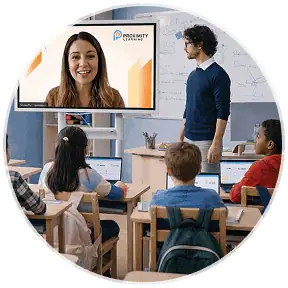


You may have heard a lot of myths about virtual teachers. Some worries go back to emergency remote teaching during COVID-19, while others are based on old ideas that the teaching model never quite got it right. These are misconceptions preventing schools from giving students access to great teachers and important courses.
The reality is that today’s virtual teaching is built deliberately to deliver real instruction, build real relationships, and support student success. When you separate fact from fiction, it gets easier to make decisions that serve students, teachers, and your whole school community. Here are eight common misconceptions worth clearing up.
Myth #1: Virtual Teachers Aren’t as Qualified as In-Person Teachers
One of the most common myths about online school is that an online teacher is somehow less qualified than a teacher standing in a traditional classroom. Some assume teaching online requires fewer qualifications or that virtual instructors lack the experience needed to deliver high-quality education. This misconception can cause district leaders and many parents to overlook talented educators who are fully prepared to teach in a virtual setting.
The Truth
The reality is that virtual teachers meet the same certification and licensing requirements as their peers in traditional classrooms. They possess the same skills, subject-area knowledge, and instructional expertise required to help students succeed. Many also receive additional training to support the learning process in various aspects, including:
- Online teaching
- Using online learning platforms
- Student engagement strategies
- Using learning management systems (LMS), software that allows teachers and students to upload and access course materials, assign and complete assignments, view grades, and communicate outside classroom hours
For example, at Proximity Learning, every teacher is state-certified and evaluated according to National Virtual Teacher Association (NVTA) standards. That means they meet state compliance guidelines and are specially trained to deliver engaging live instruction in a virtual environment.
This is more important than it may seem. Teaching live to a classroom you’re not in takes a different set of skills, and teachers who do it well have been trained for it. They don’t just adapt in-person lessons on the spot. They use a model designed for live, online teaching from the beginning, which helps districts keep quality high even when local hiring is tough.
Myth #2: Students Can’t Stay Engaged During Online Classes
Many people imagine students sitting in front of a screen for hours with little interaction. This idea comes from emergency remote learning, when lessons were quickly put together instead of being designed for online teaching. It leads people to think remote learners are always passive.
The Truth
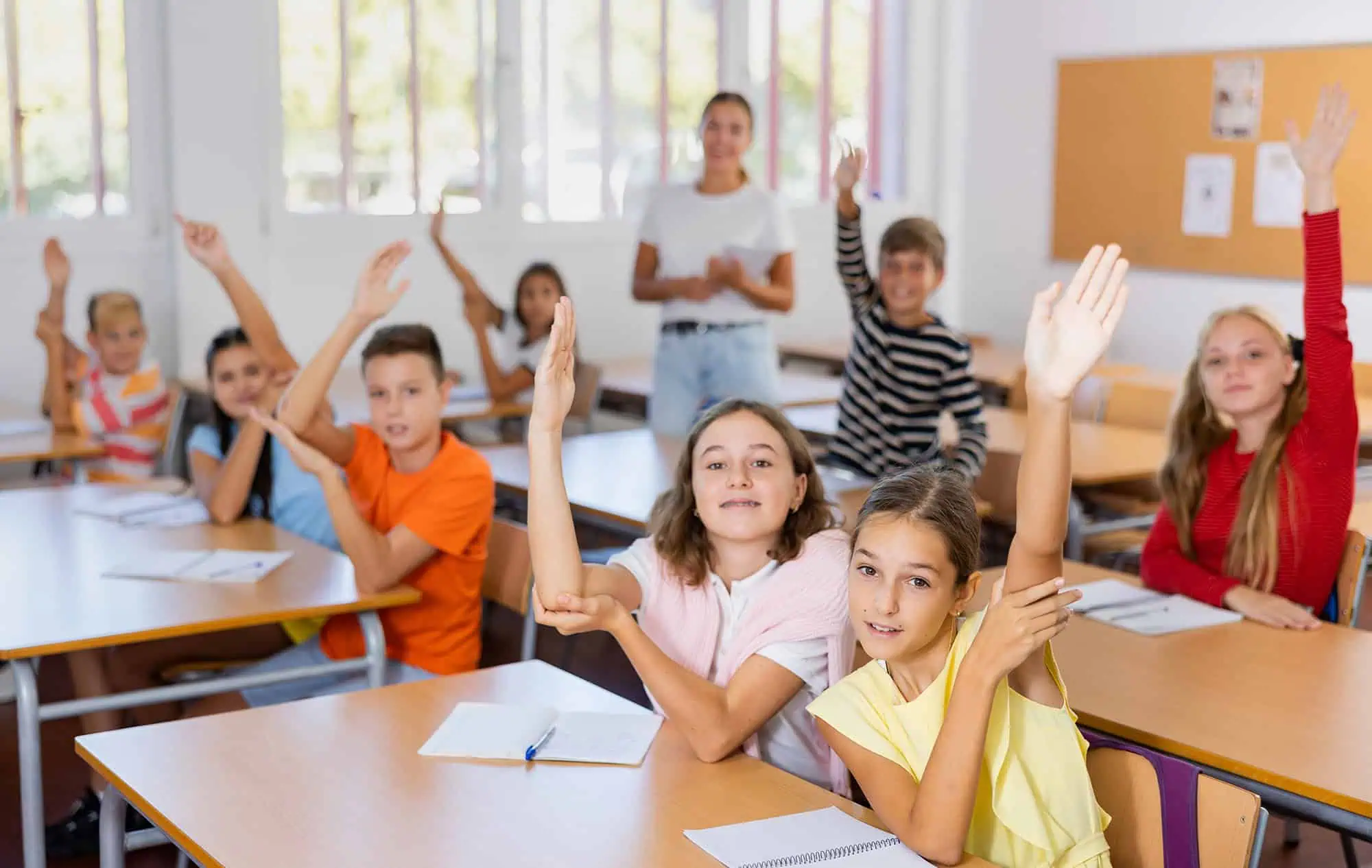
Effective online classes are built around participation, not passive observation. Skilled teachers regularly use discussion through discussion boards and forums, questioning, collaborative activities, and interactive features to keep students involved throughout each lesson. Modern online platforms also provide opportunities for real-time feedback, helping students build concepts, monitor progress, and stay connected to both their instructors and classmates.
When online instruction is thoughtfully planned, student engagement comes from meaningful interactions, not simply sharing the same physical classroom. The format may be different, but the goal remains the same: helping every student learn, participate, and succeed.
Myth #3: Virtual Teachers Can’t Build Meaningful Relationships With Students
Some people believe strong teacher-student relationships only develop through face-to-face instruction in a traditional school. They assume an online teacher can’t get to know students well enough to recognize their strengths, challenges, or interests. This is one of the common myths that overlooks how relationships are built through consistent communication, not just physical proximity.
The Truth
Relationships grow through regular interactions, trust, and support. In live online learning, teachers see their students multiple times each week, provide immediate feedback, answer questions in real time, and check in on both academic and personal progress. Many virtual instructors also hold office hours, offer one-on-one support, and communicate regularly with families to create a strong sense of community despite not sharing the same classroom.
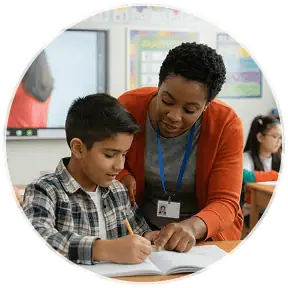
For example, Proximity Learning’s synchronous model is built around these daily connections. Students learn from the same certified teacher throughout their online courses while also receiving support from an in-classroom facilitator, creating multiple layers of encouragement and accountability.
Myth #4: Online Learning Isn’t as Rigorous as Traditional Classroom Learning
Another of the online learning myths is that students have an easier workload simply because instruction happens online. Some assume online courses lower academic standards or replace meaningful instruction with independent work on a computer. These assumptions often confuse flexible delivery with reduced expectations.
The Truth
High-quality online education follows the same academic standards as traditional classroom learning. Students complete the same curriculum, master the same material, and work toward the same learning objectives. The difference isn’t what students are expected to learn. It’s how instructors use technology, digital resources, and modern instructional strategies to help students achieve those goals.
When online lessons are intentionally designed, they can challenge students to think critically, collaborate with classmates, and apply new skills just as effectively as instruction in a physical classroom. Academic rigor comes from strong teaching and thoughtful course design, not where the lesson takes place.
Myth #5: Virtual Teachers Can’t Manage a Classroom
Some district leaders assume classroom management depends on being physically present with students. They worry an online teacher can’t keep students on track, encourage participation, or respond when challenges arise. This is one of the most common myths about online learning because effective classroom management is about clear routines and consistent expectations, not simply sharing the same room.
The Truth
Strong classroom management looks different in a virtual setting, but it’s just as effective. Skilled teachers still:
- Establish routines
- Communicate expectations clearly
- Monitor student engagement throughout classes
- Use management systems and interactive features to keep students involved
When needed, they also work closely with in-classroom facilitators to provide additional support so that students stay focused on the lesson and continue making progress.
Myth #6: Today’s Online Learning Is the Same as Pandemic Remote Learning
For most people, memories of emergency remote instruction still shape how they view online learning. Because schools had little time to prepare, many classrooms relied on basic video calls and hastily adapted lessons. Those experiences created lasting misconceptions surrounding online education that don’t reflect how virtual instruction works today.
The Truth
Modern online learning is purposefully built for digital instruction. Courses are intentionally designed for online delivery, educators receive specialized training, and schools use advanced online learning platforms, LMS platforms, and other technology to create engaging learning experiences. The result is a structured approach that supports collaboration, communication, and student success rather than simply moving a class onto a screen.
Myth #7: Students Fall Behind in Online Learning
Some people assume online students are more likely to struggle academically because they’re learning outside a traditional school setting. They worry students won’t receive enough guidance, lose motivation, or fall behind without daily face-to-face classes. While those concerns are understandable, they overlook what drives student success.
The Truth

Student achievement depends on the quality of instruction, consistent support, and active participation, not whether learning happens in person or online. Effective online education includes regular feedback, progress monitoring, meaningful interaction, and opportunities for students to ask questions throughout the learning process. With the right structure, online learners can build understanding, stay on track, and achieve the same academic goals as students in traditional classrooms.
Districts often turn to Proximity Learning to help prevent learning disruptions caused by teacher vacancies. In fact, one Chicago State University study of 40,000+ students found that those with a certified Proximity Learning teacher scored higher on state standardized tests than students in traditional classrooms, across every grade and subject. That led to them scoring over 11 points higher on standardized tests and over 21 points higher in 9th-grade algebra.
With partners like Proximity Learning, instead of leaving students without a certified instructor, schools can provide consistent, live instruction that keeps learning moving forward.
Myth #8: Virtual Teachers Are Only a Temporary Solution
Many school leaders still think virtual instruction is something districts use only during emergencies or while searching for a permanent teacher. They view it as a short-term fix instead of a sustainable way to expand educational opportunities. This assumption ignores how schools are using virtual instruction to solve long-term staffing and course access challenges.
The Truth
Today, many districts use virtual teachers as part of a long-term strategy to strengthen education. Virtual instruction helps schools fill hard-to-staff positions, expand specialized programs, and increase access to certified educators who may not be available locally. Rather than replacing in-person instruction, virtual teachers help districts provide more opportunities for students while maintaining high academic standards.
As staffing challenges continue across the country, virtual teaching has become an important part of how schools deliver a broader range of courses and connect more learners with expert educators. It’s no longer a temporary solution. For many districts, it’s an essential part of modern K-12 education.
Move Beyond the Myths With Proximity Learning
The biggest barriers to virtual instruction often aren’t technology or student ability. They’re outdated assumptions. Once you separate myths from reality, it becomes clear that today’s virtual teachers can deliver engaging instruction, build meaningful relationships, and help students achieve the same high standards as any traditional classroom.
For more than 14 years, Proximity Learning has helped schools overcome teacher shortages by connecting students with certified educators through live, synchronous instruction. Today, we partner with 400+ schools and have staffed more than 5,000 classrooms, giving students access to expert teachers in core subjects, electives, world languages, special education, and more. Our proven model combines certified virtual teachers with ESS-backed in-classroom facilitators, creating an engaging learning experience that supports both students and school staff.
Ready to see what high-quality virtual instruction can look like in your district? Contact Proximity Learning today to learn how our certified teachers can help you expand opportunities, fill vacancies, and keep every classroom staffed for student success.