
Virtual STEM Education: Expanding Access to Core and CTE Classes Through Livestreamed Instruction

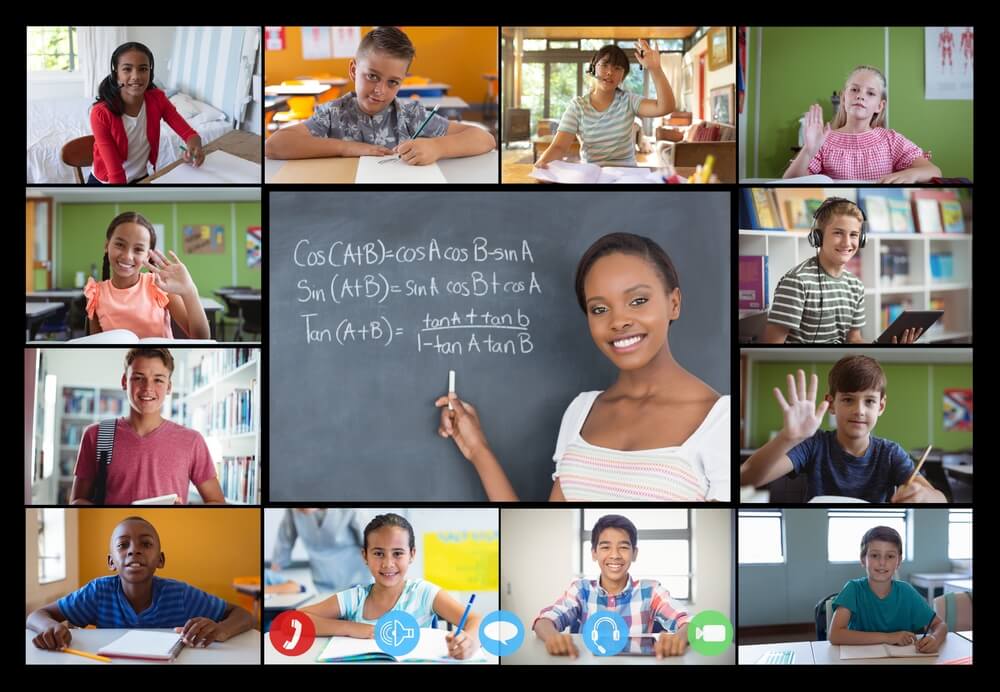

Every school wants to prepare students for the future. But for many districts, offering high-quality STEM education in every subject area can be a challenge. Certified teachers, equipment, and lab space are often limited, leaving many middle school and high school students without equal opportunities to explore STEM disciplines.
That’s where virtual STEM education changes the equation, making advanced courses and interactive labs available to learners everywhere, regardless of zip code or resources. Educators can use livestreamed instruction to bring certified science teachers, hands-on experiments, and interactive simulations directly into the classroom.
This approach gives students access to engaging, real-world experiences that build problem-solving and reasoning skills while sparking curiosity about the STEM field. When done right, synchronous instruction expands access, deepens student success, and creates pathways to the careers shaping our world.
What Is Virtual STEM Education?
STEM stands for Science, Technology, Engineering, and Math – four interconnected disciplines that encourage students to think critically, solve real-world problems, and develop essential skills for the future.
Virtual STEM education brings these same experiences online through livestreamed, interactive lessons that replicate the hands-on collaboration found in a traditional lab or classroom. Using digital resources like science simulations, video demonstrations, and real-time discussions, teachers can guide students through experiments, projects, and discovery-based learning from anywhere.
Types of Classes Available
Virtual STEM education opens the door for both core academic courses and career-focused CTE programs, giving students a clear path from curiosity to college and beyond. With livestreamed instruction, schools can expand access to specialized subjects that might not otherwise fit their curriculum or budget so that every learner gets the chance to explore the STEM field.
Classes available include:
- Core STEM Courses: Foundational classes like math and science, including chemistry, physics, and biology, are taught by certified teachers using interactive simulations to reinforce complex concepts.
- CTE STEM Programs: Career and Technical Education (CTE) options such as robotics, computer science, and engineering design help students gain hands-on experience while discovering real-world pathways in technology and innovation.
- Advanced and Elective Offerings: Districts can also provide advanced placement or specialized electives like environmental systems, coding, or medical technology. These electives offer students the chance to challenge themselves academically while exploring emerging STEM disciplines.
By providing these options, virtual instruction gives STEM students the resources and support to make their journey possible.
4 Ways Livestreamed Instruction Expands Access to STEM Education
Expanding access to STEM education isn’t just about offering more courses. It's about breaking down barriers that keep too many students from exploring their potential.
Livestreamed instruction makes that possible by connecting schools with certified teachers, real-world experiences, and interactive technology that bring STEM disciplines to life. Through this model, even students in districts with limited resources can experience high-quality, hands-on STEM learning that prepares them for the future. Here’s how:
1. Connecting Students to Certified STEM Teachers
One of the most powerful benefits of virtual STEM education is its ability to connect students with certified, highly qualified teachers, no matter where they live. Many districts struggle to hire specialized STEM educators, especially in rural or under-resourced areas.
Livestreamed instruction removes those barriers by allowing expert faculty to teach remotely and bring their expertise in science, engineering, and technology directly into classrooms. Districts can partner with certified teachers to schedule live courses aligned with their school calendars and bell schedules, so every student has consistent access to rigorous instruction led by credentialed professionals.
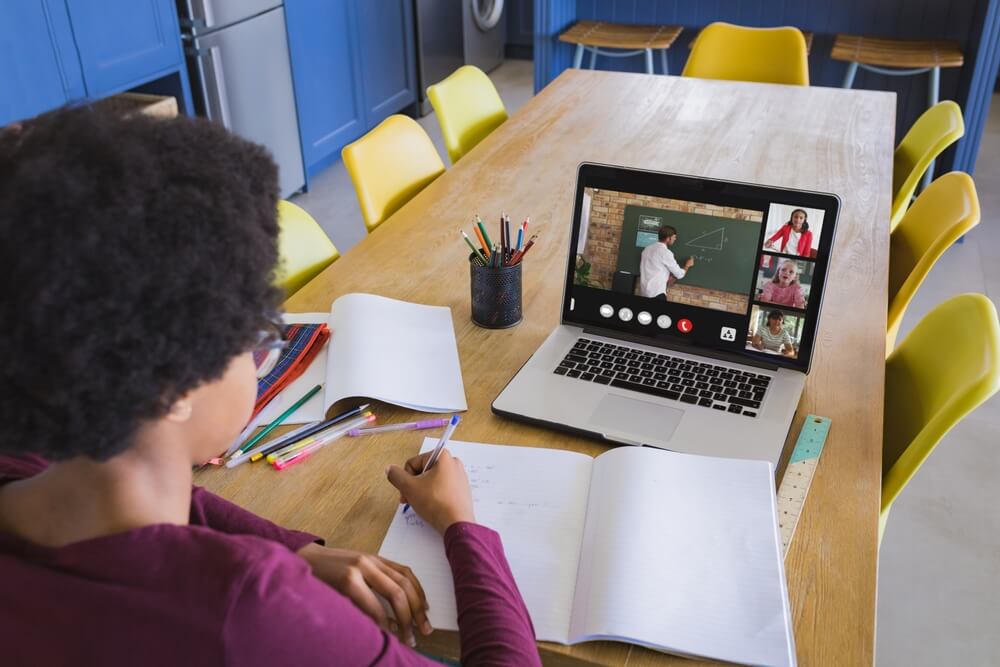
2. Bringing Hands-On Learning to Every Classroom
STEM thrives on exploration, experimentation, and hands-on learning. Livestreamed instruction makes that possible even without a physical lab. Through interactive simulations, science simulations, and virtual lab activities, students can test hypotheses, observe real scientists, and analyze data in real time.
Teachers can use digital resources and materials to replicate lab experiences safely and affordably, giving middle school and high school students the same high-quality instruction found in advanced STEM programs. Districts can strengthen this model by investing in reliable technology and securing innovative solutions, so they can provide equal opportunities for every learner.
3. Expanding Career Pathways Through CTE Integration
Livestreamed STEM instruction gives students the chance to explore careers they may never have considered before. Districts can expand access to courses that prepare students for college and future STEM fields by integrating innovative STEM programs into CTE classes. These include:
- Computer science
- Robotics
- Engineering design
- Biomedical technology
Schools can collaborate with local universities, industry partners, or virtual providers to align curriculum with workforce needs. This approach enhances student outcomes and strengthens community ties by giving learners a clear, practical path from STEM learning to professional success.
4. Making STEM Education Equitable and Scalable
Every student deserves the chance to explore STEM disciplines. But access often depends on location and resources. Livestreamed instruction levels the playing field by making advanced STEM courses and programs scalable across multiple schools – even those with limited budgets or staffing.
District administrators can schedule shared virtual classes across campuses so that students in different grades or schools can attend the same live lessons led by certified teachers. This not only reduces cost but also gives STEM students from every background access to the same opportunities to learn, discover, and thrive.
Inspire the Next Generation of Innovators with Proximity Learning
STEM shapes the future of innovation, yet too many students still lack access to the courses and teachers that could spark their passion for discovery. With livestreamed instruction, districts can remove those barriers and give learners everywhere the chance to explore science, engineering, math, and technology through interactive, real-world learning experiences. The result is not just stronger student outcomes – it’s a generation of thinkers ready to take on the challenges that define tomorrow.
For over 15 years, Proximity Learning has partnered with more than 400 school districts and staffed over 3,000 classrooms with certified, livestreamed teachers. Our goal is to make quality STEM education available to every school, regardless of geography or resources. Our model connects students to real experts and engaging instruction that brings STEM learning to life, preparing them for high-demand careers and a world driven by innovation.
We’re ready to help your district expand access to STEM and inspire the next generation of problem solvers. Talk to us today to learn how Proximity Learning’s livestreamed STEM programs can expand your courses and empower your students to reach their full potential.
Ready to take your District's
courses to the next level?
Learn why synchronous
learning dominates in our
comprehensive guide.

Download Now
Ready To Learn More?
Whether you have a question about our solutions or are interested in our services, don't hesitate to reach out to us here. We’ll get back to you as soon as possible.


