
Virtual Learning as a High-Schooler During the Pandemic
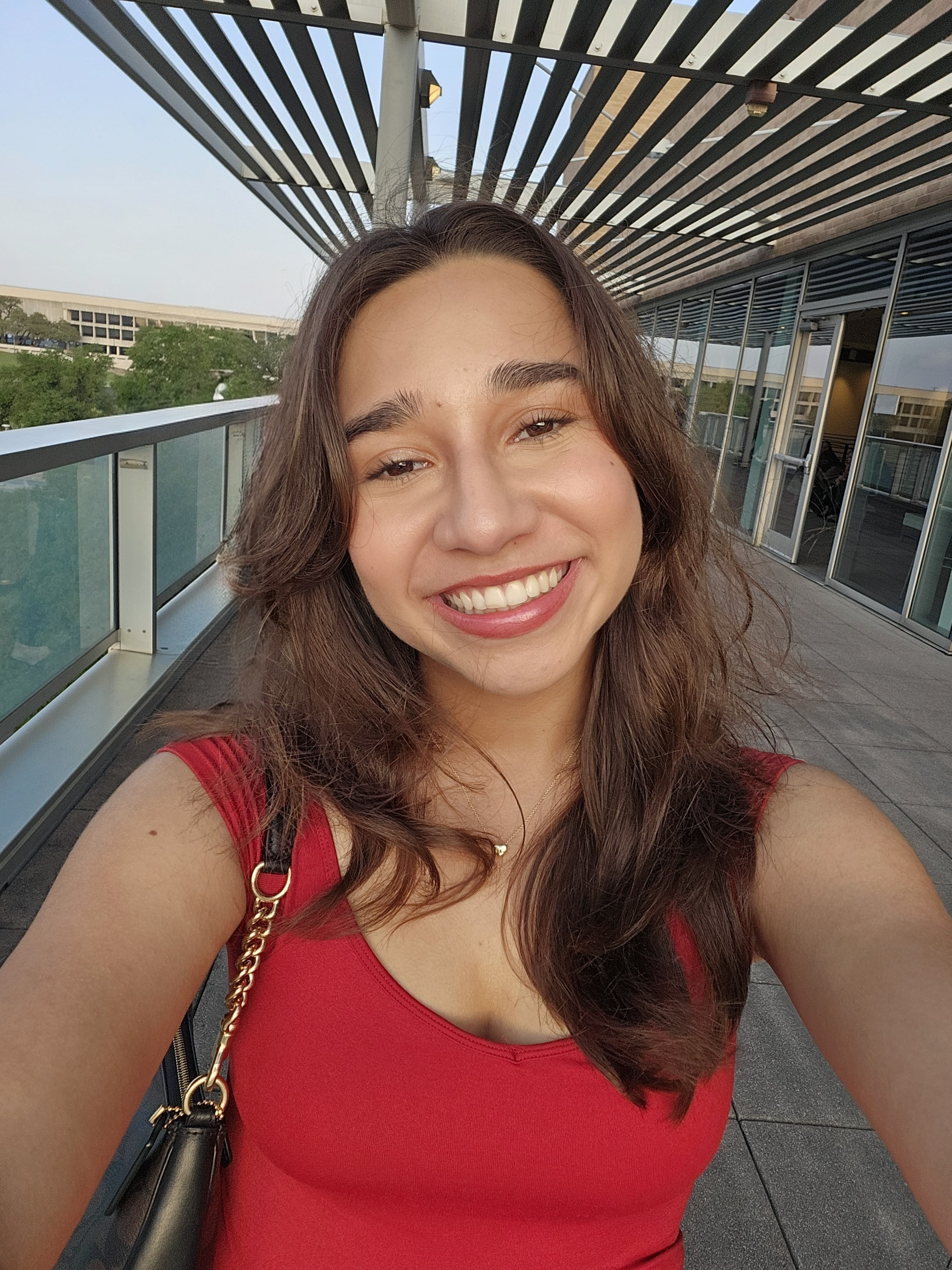
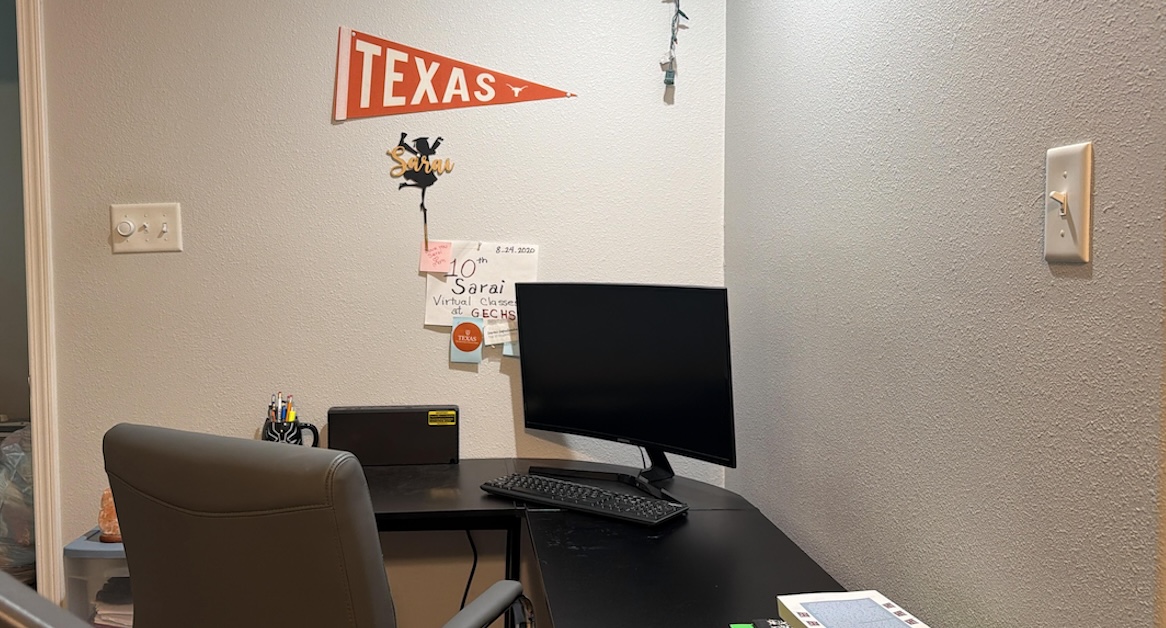

Back home, a red and black sharpied piece of paper reading “10th Sarai: Virtual Classes at GECHS” still hangs above my desk. It was my mom’s makeshift photo prop that she made me pose with at 8 AM back in August of 2020 to remember the first day of what would become a fully online school year. 12 months later, I was back in the post-pandemic classroom and at the top of my class.
After the first few days of sophomore year, I quickly learned that this new online school placement was referred to as synchronous and/or asynchronous learning; big words for a complicated situation and a window into the world of virtual learning that many students and teachers were already familiar with. While my freshman year had messily concluded due to the emergency shutdown of all schools (and the world), my teachers were ready to begin virtual, synchronous instruction for the 2020-2021 school year. Like the self-aware nerd I have always been, I was also ready.
But the start was rough. Black squares stared at me and back as I watched my teachers helplessly speak into a void of insecure teenagers. Virtual dust would collect on the chatbox as the fear of being textually misperceived was too great. But with enough teacher authority, self-discipline, and the fear of being held back a grade, students eventually began to participate as they normally would in the classroom.
Although it was not the same as going to school in person, once a routine was established, I was brought back to my regular habits of asking questions, staying for tutoring, and participating in after-school activities. Through virtual systems like Google Classroom and Nearpod, my teachers were consistently interacting with my participation and I was receiving the attention I needed to know if I was doing well. I had never felt so in command of my education because anything I needed or wanted to ask could easily be accomplished through the click of a button.
I was able to stay after classes and privately speak to my teachers without the presence of my peers looming over me. I could shamelessly ask questions through the chatbox that would go directly to my teachers and not be posted for the rest of the class to see. As someone who likes to take notes on paper and write my work out, I could easily take pictures of my notebooks and upload them to Google Classroom for my teachers’ viewing. My entire workflow had transitioned online, and fortunately, I was able to keep up.
At the same time, I also got my first taste of asynchronous learning. When teachers were not available, they often pre-recorded themselves lecturing, assigned YouTube lectures, or asked us to read from our textbooks to make up for their absences. We would lose our direct source of information and point of communication to clear any doubts we may have about the content we are learning or the logistics of the class. Whether it was a day or a week lost, our education took a toll.
There appeared to be a false sense of security that because we had access to everything online, we would be okay. But teachers failed to see that all of the information in the world could not replace the live guidance they provide us with learning and practicing difficult subjects. It was discouraging, to say the least, as students who were there to learn were underserved and students who wanted to get an easy ‘A’ could take advantage of the situation. For students who were used to attending school in person every day, being left to their own devices in the comfort of their own home was not the best idea for academic success and integrity.
In a July 2025 report by the UC Davis Office of Research on the outcomes of the COVID-19 pandemic, education experts showed that Black and Latinx students are further behind Asian and white students than they were pre-pandemic. Growing up in a predominantly Hispanic city, I knew that the effects of the pandemic were going to be detrimental to my community. Coupled with the change in education, now was the time that students needed teachers to be present and supporting them.
Like every other school year, my days passed by doing homework, stressing over exams, and preparing for class presentations. Before I knew it, my year online was over. The summer after my virtual sophomore year was a precarious time as we all eagerly waited for confirmation that we would be returning to in-person classes. Although we eventually came back under pandemic restrictions, we were reunited and learning together once again.
Today, I can confidently say that my virtual school year changed the trajectory of my educational career. After a month into my junior year, I asked for a copy of my transcript, and my heart leapt out of my chest when I read the fine print, “Rank: 1 out of 104.” I was scared and excited at the same time, knowing that my competitive class was about to get a lot more intense, but I was proud that my synchronous year online gave me a life-changing boost.
Above my impromptu first day of school sign now hangs the UT Austin pennant I received when I first got accepted into the university. Today, I am only a couple of weeks away from graduating!
On live, virtual learning
It goes without saying that everyone has a different experience with virtual learning, but the skills and lessons students gain are undeniably valuable. With the right teachers and support system, virtual learning can be the right environment for your students to succeed in. My year online exposed me to a world of virtual learning that I was previously unfamiliar with. Looking back at such a formative time in my life, synchronous learning was the most effective way of ensuring I was being prepared for college and the real world.
It is crucial to understand that virtual learning can exist outside of the context of COVID-19 and the pandemic. Proximity Learning has been proving that for over 15 years.
If your school district is looking to make education more accessible for your students, Proximity Learning’s virtual K-12 instruction might just be what you’re looking for. Synchronous virtual learning keeps classrooms from falling into the trap of poor online instruction, which is why we’re dedicated to building connections with students and guiding them to reach their full potential. Learn more about Proximity Learning today to discover how we can meet your school’s needs.
Ready to take your District's
courses to the next level?
Learn why synchronous
learning dominates in our
comprehensive guide.

Download Now
Ready To Learn More?
Whether you have a question about our solutions or are interested in our services, don't hesitate to reach out to us here. We’ll get back to you as soon as possible.


