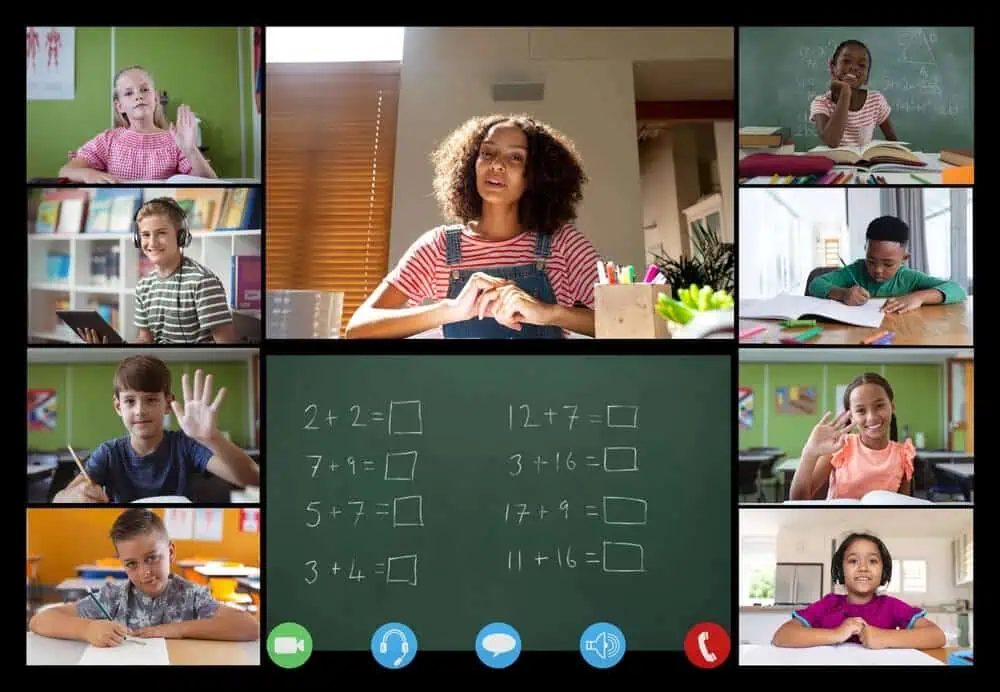
You’ve probably noticed that preparing students for online learning looks different than what it did just a few years ago. Schools are now building systems that help every student adapt, thrive, and learn in new ways. Whether it’s middle or high school students, online courses now serve as core parts of academic programs.
But success in synchronous online classes doesn’t happen by accident. It requires the right skills, planning, and support. Many students are capable and motivated but still struggle to manage time, communicate effectively, and complete assignments without the structure of a traditional classroom.
That’s where district leadership makes all the difference. The path to online success begins with how we prepare students before classes start and how we continue supporting them every step of the way.
An Overview of Online Learning for Districts
Synchronous online learning refers to live, real-time teaching where certified teachers and students interact through livestream platforms, chat, and collaborative courses, just as they would in a traditional classroom. This model combines the structure of in-person classes with the flexibility of online programs so students receive consistent, engaging instruction while developing digital skills that serve them well beyond school.
The strength of this approach lies in how it connects people, not just devices. In the next sections, we’ll explore how synchronous online classes work, what makes them effective, and why they’re helping districts nationwide achieve better results for both students and teachers.
How It Works
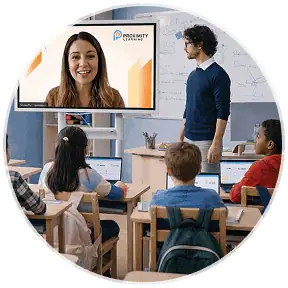
Synchronous online learning mirrors the structure of an in-person classroom, but instead of textbooks and whiteboards, students and teachers connect through digital platforms designed for live interaction. Classes take place in classrooms where online instructors lead discussions, share presentations, and guide students through course materials in real time.
Learners can ask questions, participate in discussion boards, and collaborate with classmates. This livestreamed model keeps students accountable, supported, and engaged throughout each lesson so they stay on pace and connected to their learning community.
A key component of synchronous instruction is the Learning Management System (LMS). An LMS is a secure online environment that acts as the central hub for each course, where students submit assignments, check grades, access materials, and receive feedback from their instructors.
It’s also where attendance is tracked and teachers organize resources like short videos, readings, and quizzes to reinforce study skills and communication skills. Together, the LMS and live video platforms create a dynamic structure that blends the best aspects of face-to-face classes with the accessibility and flexibility of online learning.
The Benefits of Online Learning
When implemented with structure and support, online learning opens doors that traditional models can’t always reach. For school districts, it’s a strategy to expand access, improve outcomes, and prepare students for lifelong success.
Some key benefits that make synchronous online classes a powerful tool for modern education include:
- Expanded access to certified teachers
- Personalized support for students
- Flexible scheduling and programs
- Improved student engagement
- Cost-effective staffing solutions
- Future-ready skills for students
5 Strategies for Implementing Online Learning in Your District
For district leaders, implementing online learning isn’t just about adopting technology – it’s about transforming how students learn and how teachers connect with them. The right approach ensures consistency, engagement, and equity across every class.
For instance, summer school online gives districts the flexibility to offer courses year-round, helping students recover credits, accelerate progress, or explore new interests through certified, live instruction.
When built intentionally, these online programs can seamlessly align with district goals while preparing students for success beyond school. The following strategies outline how to make online classes work effectively at scale.
1. Establish Clear Expectations and Structure
Strong systems start with clear expectations. Before launching online learning, districts should define standards for attendance, participation, and performance just as they do for traditional face-to-face classes. Create consistent guidelines for teachers, students, and facilitators to follow, such as response times for communication, due dates for assignments, and grading timelines.
Providing a structured schedule ensures that students know how to log in, when to submit assignments, and how to ask their instructors for help. Transparent expectations set the tone for accountability and online success from the start.
2. Train Teachers and Support Staff
Even experienced teachers need targeted training to adapt to online environments. Districts should provide professional development focused on:
- Digital skills
- Communication skills
- Study skills for guiding online students
- Using technology like LMS
- Troubleshooting internet connection issues
- Using tools like web conferencing and discussion boards to encourage participation
By equipping certified teachers and in-person facilitators with practical tools and resources, district leaders empower their teams to create engaging, student-centered online classes that mirror the energy of an in-person classroom.

3. Build a Culture of Connection and Communication
In any online program, strong communication is the foundation of student achievement. Encourage teachers and students to talk frequently through messages, live sessions, or chat boxes to ensure students feel supported and connected. Regular check-ins help identify motivational issues early and keep students on track.
Districts can also establish peer mentorship groups or small classes where online learners collaborate with classmates on projects and practice effective communication skills. A strong sense of connection reduces isolation and helps students stay motivated to learn.
4. Support Time Management and Self-Discipline
Successful online students thrive on structure. Districts can help by teaching time management and self-discipline early, introducing these skills through short lessons at the start of each course or during student onboarding.
Offer templates for daily planners, progress trackers, or calendar reminders to help students plan when to complete assignments and review course materials. Encourage teachers to break large courses into smaller milestones, celebrating each success. These practices help students manage responsibilities independently while still feeling guided and supported.
5. Provide Continuous Feedback and Accessible Resources
Online learners need ongoing, personalized feedback to measure progress and improve. Districts can create feedback systems that include:
- Regular performance summaries
- Digital rubrics
- One-on-one instructor conferences
They should also make sure students have easy access to online resources such as short videos, tutorials, and extra materials that reinforce skills taught during live sessions.
Regular feedback helps students learn to problem solve, adjust their study strategies, and feel confident in their growth. When district leaders invest in consistent feedback loops, they reinforce the trust and accountability that drive online success.
You Can Build a Future-Ready District with Proximity Learning
Preparing students for online learning isn’t just about technology – it’s about people, preparation, and purpose. When district leaders provide structure, training, and consistent support, students develop the confidence, study skills, and self-discipline they need to thrive in any online environment. The districts leading this shift understand that digital innovation must always serve human connection.
That’s where Proximity Learning leads the way. For over 15 years, Proximity Learning has partnered with more than 400 school districts and staffed over 3,000 classrooms with certified teachers delivering live, interactive instruction to students nationwide. Through proven synchronous models, strategic online programs, and ongoing teacher support, Proximity Learning helps districts create equitable, high-quality courses that set students up for lifelong success.
Are you ready to help your district take the next step? Talk to us today to learn how Proximity Learning’s expertise in synchronous online education can strengthen your district’s programs, support your teachers, and prepare your students for success in every class.