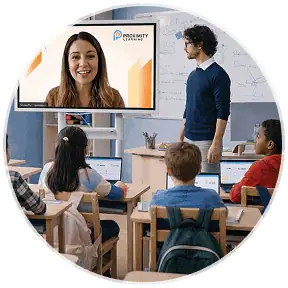


This generation’s students are inundated with technology from the moment they are born. Exposure starts as early as high-contrast videos for infants and language-development shows for toddlers. New tech can be used in so many inspiring ways to expose people to different cultures and worldviews, but it is essential to learn media literacy to navigate the internet safely.
Experience in virtual schools from a young age can prepare students with life skills by teaching them how to have a healthy and educational relationship with technology. These skills then translate to online classes in higher education and the post-grad workforce, which largely rely on computers. Having the media literacy to determine facts from fiction and the skills to navigate AI will equip students to have tech serve them, not the other way around.
How to teach critical thinking while navigating the internet
Developing critical thinking during internet usage is essential to differentiating fact from fiction in online sources. Articles, social media posts, and videos can go viral without fact-checking, causing mass misinformation to be spread in minutes. It is imperative that students check sources and look for inconsistencies before they share.
Find reliable information on non-partisan sources including Reuters, AP, and BBC. Check spelling and verified websites or social media profiles to weed out copycats. Verify information across several different sources, especially if the claims seem outlandish.
Critically thinking about internet sources prepares students to think critically in school, work, and life – an invaluable skill.
How to properly utilize AI
When entering higher education and ultimately the workforce, it is essential to have a good working knowledge of all tech tools available. Of course, when starting studies or work at a new organization, individual software will vary and require specific training. However, general best practicies will set students up for success.
Gone are the days when you needed to list “Microsoft Office” as a skill on your resume. Now, you need to collaborate via Google docs, use CRMs and accounting software, code in python, and use AI.
Be specific when writing prompts for AI. Give examples of tone and voice, create long, leading prompts to get the best output. Then, ask it to revise itself. Remember not to enter private or proprietary information.
Early exposure to these tools will prepare students to focus on those net-new skills and rest on a foundation of tech tools available to them. The more exposure they can get early on, the better equipped they will be when exiting high school.