
H-1B Teacher Challenges and Virtual Solutions

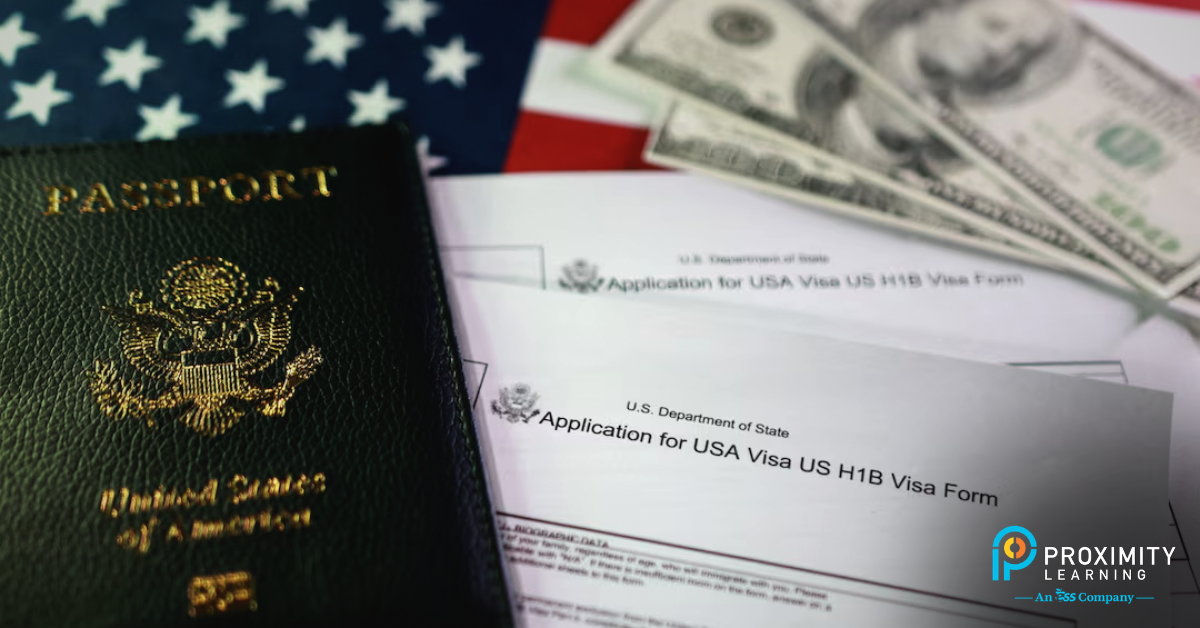

When H-1B Challenges Disrupt Teacher Pipelines, Districts Are Turning to Virtual Live Teachers
School districts across the country are navigating yet another layer of complexity in an already challenging hiring landscape. Potential disruptions to H-1B visa programs are creating uncertainty for districts that rely on international educators to staff critical subject areas. STEM, bilingual education, and Special Education positions, already among the hardest to fill, are particularly vulnerable to the changes.
As districts plan for the upcoming school year, another question is arising. What happens if a key part of the teacher pipeline is more difficult or too expensive to access?
For many, the answer is beginning to shift toward flexibility. Virtual staffing solutions that provide certified teachers without the uncertainty of visa timelines or rising sponsorship costs.
Why H-1B Visa Changes Matter for Schools
According to the National Education Association, more than 2,300 educators working across 500 public school districts currently hold H-1B visas. These educators often fill roles that districts struggle to staff locally, particularly in technical and specialized subjects.
Historically, recruiting and sponsoring international teachers through the H-1B process has cost districts between $15,000 and $20,000 per candidate. However, recent reporting from Newsweek highlights a federal rule that could dramatically increase costs. The rule includes a $100,000 fee on new recruitment petitions, along with stricter wage requirements for sponsoring foreign teachers.
Supporters of the rule argue that these changes will encourage domestic hiring and reduce reliance on international labor. Critics, however, emphasize that public schools are not using H-1B visas to reduce costs. Instead, they rely on these educators to fill roles that remain vacant despite local recruitment efforts. For smaller and rural districts, these restrictions could significantly limit their ability to staff technical and specialized courses.
This challenge is especially pronounced in rural districts that depend on H-1B educators for technical instruction and specialized services. When hiring pipelines narrow, these districts often face difficult choices. Some turn to long term substitutes. Others shift to asynchronous programs. In many cases, students lose access to consistent, certified instruction.
A Challenge That Is Not New
Teacher shortages in STEM, bilingual education, and Special Education are not new. Districts have been working to fill these roles for years, often turning to creative solutions such as international recruitment to meet student needs.
In some districts, H-1B hiring has proven highly effective. Dr. Madeline Aguillard, superintendent of the Kuspuk School District in western Alaska, reported that teachers hired through H-1B visas had a 90% retention rate, compared to about 50% before implementing international recruitment. Her schools have relied on approximately 60 percent international teachers over the past five years to fill hard to staff positions.
These success stories highlight the importance of maintaining stable staffing pipelines. However, if costs increase significantly or timelines become unpredictable, districts may need alternative solutions that provide similar stability without the same barriers.
The Risk to Student Learning
When teaching positions remain unfilled, the impact on students can be immediate. Specialized classes may be delayed or canceled. Case management responsibilities may shift to already overloaded staff. Compliance requirements, particularly in Special Education, can become more difficult to meet.
These challenges often lead to larger class sizes, inconsistent instruction, and learning gaps that are difficult to recover. For districts already managing testing cycles, staffing changes, and long term planning, disruptions to teacher pipelines can create compounding challenges.
This is why many districts are exploring solutions that allow them to quickly stabilize classrooms and maintain momentum for student learning.
A Flexible Alternative to H-1B Staffing
When traditional recruitment pipelines become constrained, virtual live instruction offers a reliable alternative. Districts can access certified teachers in hard-to-staff subject areas. Proximity Learning specializes in providing certified teachers in STEM, bilingual education, and Special Education, the same areas most affected by H-1B disruptions.
With a flexible model that can be customized to district needs, virtual teachers can integrate into existing classrooms while maintaining consistency and compliance. This approach is particularly valuable for rural districts, where local hiring pools are often limited. Virtual instruction allows districts to connect students with certified educators regardless of geographic barriers.
Meeting Districts Where They Are
For 15 years, Proximity Learning has partnered with districts to address staffing challenges through live virtual instruction. This experience has helped refine a model that prioritizes flexibility, compliance, and student outcomes.
Districts can scale support based on their needs, whether they require a single teacher or multiple subject areas. From onboarding to instruction, the goal is to provide a speedy, seamless experience that keeps students on track.
Because Proximity Learning focuses on live, synchronous instruction, students receive consistent engagement and real-time support. This helps districts avoid the learning gaps that often accompany asynchronous programs or long-term substitute coverage.
Acting Early Matters
When districts anticipate staffing challenges, acting early can make a significant difference. The sooner districts secure certified teachers, the easier it becomes to ensure smooth onboarding and alignment with state requirements.
Early planning also helps avoid the September hiring surge, when competition for qualified educators increases. By securing staffing solutions ahead of time, districts can enter the school year with confidence and stability.
For districts experiencing constraints in their H-1B pipelines, the need for proactive planning is even more critical. Filling gaps quickly helps maintain continuity and ensures students continue receiving a comprehensive education.
A Reliable Path Forward
As districts evaluate the potential impact of H-1B changes, many are exploring alternatives that provide stability without additional complexity. Virtual live instruction offers a flexible, proven solution that addresses staffing gaps while supporting student success.
Proximity Learning already provides certified teachers in the subject areas most affected by H-1B disruptions. With no visa delays, no sponsorship costs, and no uncertainty, districts can quickly fill vacancies and maintain instructional momentum.
After 15 years of supporting schools through staffing challenges, Proximity Learning understands how to meet districts where they are. Whether facing sudden vacancies or long-term recruitment barriers, flexible virtual staffing can help ensure students continue to learn and grow.
Ready to Strengthen Your Teacher Pipeline?
If H-1B changes are impacting your hiring plans, now is the time to explore reliable alternatives. Proximity Learning can help you quickly fill gaps in STEM, bilingual education, and Special Education with certified, live virtual teachers.
Do not let staffing disruptions slow student progress. Connect with Proximity Learning today to learn how flexible virtual staffing can stabilize your classrooms and support stronger outcomes for your students.
Ready to take your District's
courses to the next level?
Learn why synchronous
learning dominates in our
comprehensive guide.

Download Now
Ready To Learn More?
Whether you have a question about our solutions or are interested in our services, don't hesitate to reach out to us here. We’ll get back to you as soon as possible.


