
The Future of K-12 Education: How Synchronous Instruction Is Reshaping Student Achievement

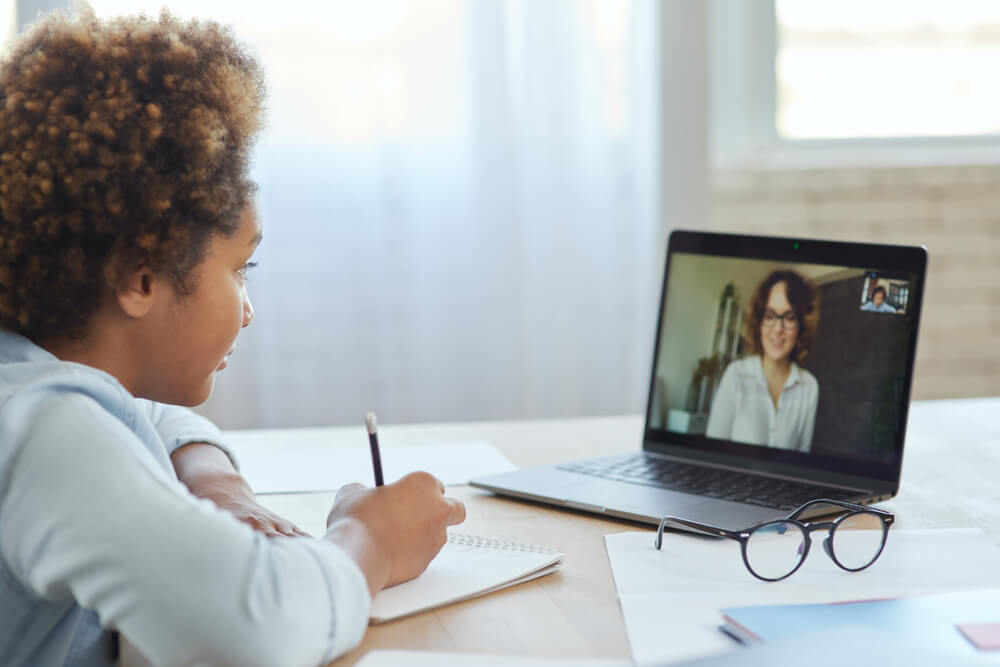

Every district leader knows the stakes have never been higher. Students are recovering from years of disruption, teachers are stretched thin, and the demand for innovation in education keeps rising. Yet, amid the challenges, something encouraging is happening: schools are finding new ways and innovative educational models, like synchronous instruction, to make learning personal again.
When done right, online learning doesn’t replace great teaching methods in the traditional school model – it amplifies them. Live, human connection remains at the center of every breakthrough in K-12 instruction. Across the country, forward-thinking administrators are exploring how technological advancements, strategy, and compassion can work together to ensure every child has equal access to expert educators and quality instruction.
That shift isn’t about gadgets or trends. It’s about redefining what it means to help students thrive in the years ahead by following best practices for K-12 synchronous instruction.
K-12 Education Now and in the Future
The future of K-12 instruction doesn’t mean replacing classrooms or traditional public schools. It means reimagining how students connect, learn, and grow. As district leaders continue to face teacher shortages and evolving student needs, flexible models like livestreamed synchronous learning have become essential.
For example, summer school online allows students to complete required courses, recover credits, or explore new subjects from anywhere, all while receiving real-time support from certified teachers. It’s a modern way to extend learning beyond the physical classroom without losing structure, accountability, or connection.
The Current State of K-12 Education
Across the country, schools are navigating a critical turning point. The Teacher Shortage report shows that 39 out of 50 U.S. states faced a shortage of special education teachers for the 2024–2025 school year.
The teacher shortage has left thousands of students without certified instructors or educational resources, forcing administrators to find innovative ways to sustain learning continuity. The number of students participating in online learning continues to climb as district leaders recognize that access to qualified teachers shouldn’t depend on zip code.
These shortages create inequities that limit opportunity for millions of learners. Districts are increasingly turning to certified educators livestreaming synchronous instruction to restore stability and ensure every student receives the high-quality instruction they deserve. The future of K-12 learning depends on scalable, human-centered models that keep teaching interactive, engaging, and equitable, no matter where students live.
Predictions for the Future
The next decade of K-12 education will be defined by flexibility, equity, and connection. District leaders are already rethinking what effective instruction looks like – prioritizing access to certified teachers, consistent student engagement, and innovative instructional practices that adapt to changing needs and prepare students for the future.
As technology continues to evolve, virtual learning environments will become integral to how students experience education as a standard part of the learning process. The most successful schools will blend in-person and online learning to ensure that every student, regardless of geography, can receive high-quality, real-time instruction from expert educators.
Expect to see more personalized learning experiences powered by data-driven insights, digital tools, and professional learning communities with teacher training that guides teachers toward continuous improvement. These shifts will enhance academic performance, boost student outcomes, and strengthen the sense of community across classrooms and districts nationwide.
To meet challenges in K-12 education like nationwide teacher shortages, inconsistent access to certified educators, and rising demands for specialized courses, more districts will turn to innovative solutions such as synchronous online instruction—a proven approach that combines live interaction with flexibility to meet every learner where they are.

How Synchronous Education Reshapes Student Achievement
When done right, synchronous online learning bridges the gap between innovation and human connection. It gives students the structure of a physical classroom while unlocking the flexibility and access of livestreamed learning.
As districts seek solutions that improve outcomes, the focus is shifting from “Can online models work?” to “How do we make them even better?” The following sections explore how synchronous instruction is reshaping achievement by driving engagement, expanding equity, and redefining what effective teaching looks like in the digital age.
1. Restoring Equity Through Certified Teachers
Every student deserves access to a qualified, certified teacher – but that’s not the reality in many districts. Synchronous online learning eliminates teacher shortage barriers by livestreaming certified educators directly into virtual classrooms, ensuring consistent instruction in every subject, from math to world language classes.
For example, Proximity Learning teaches over 50,000 students every day through live, certified instruction. That access levels the playing field for students in rural and underserved communities, giving them the same opportunity to succeed as their peers in larger districts.
2. Strengthening Student Engagement and Performance
Live interaction drives meaningful student engagement. Synchronous instruction allows teachers to use digital tools like virtual whiteboards, polls, and breakout rooms to engage students and keep them active participants in their own learning process. Research shows that students in livestreamed classes not only participate more but also build stronger relationships with their teachers and classmates, fostering a true sense of community and student well-being.
3. Building Consistency and Reducing Learning Loss
Interrupted instruction – whether due to teacher turnover, vacancies, or student absences – can disrupt achievement. Synchronous virtual classes bring stability by following the school’s bell schedule and maintaining a consistent learning environment, regardless of physical location. District leaders partnering with Proximity Learning report fewer gaps in instruction and measurable improvements in students’ confidence and performance.
4. Encouraging Collaboration and Critical Thinking
Synchronous models encourage active learning and real-world problem-solving. Through small groups and morning meetings, students collaborate, discuss, and analyze concepts together, mirroring the peer-to-peer interaction found in traditional classrooms. These live interactions nurture critical thinking and help students feel more connected to their peers and teachers, even in an online classroom.
5. Empowering Educators and Districts With Scalable Support
For administrators, synchronous instruction offers a sustainable solution to staffing challenges while improving the overall quality of education. Certified teachers working through live platforms can provide opportunities for students to access digital learning across multiple campuses without compromising quality.
Meanwhile, in-person facilitators and professional learning communities receive ongoing training and resources to ensure alignment with district goals. This structure gives educators a better work-life balance and helps district leaders retain qualified professionals long term.
Partnering with Proximity Learning to Empower Every Student
Synchronous instruction is proving what district leaders have long known: when students connect with certified teachers in real time, achievement follows. The future of K-12 instruction depends on flexible, human-centered solutions that preserve the heart of in-person learning while expanding access through innovation. For over 15 years, Proximity Learning has connected more than 400 partner schools and staffed over 3,000 classrooms with certified, passionate educators who deliver quality instruction wherever students are.
By bringing live, engaging instruction to every virtual classroom, Proximity Learning helps districts overcome staffing shortages, strengthen equity, and improve student outcomes—one lesson at a time. We’ve seen how interactive digital tools, personalized feedback, and consistent live sessions transform the learning experience for both students and teachers alike.
We’re ready to help your district take the next step. Talk to us today to learn how Proximity Learning’s proven synchronous model can reshape instruction, close vacancies, and help every student reach their potential.
Ready to take your District's
courses to the next level?
Learn why synchronous
learning dominates in our
comprehensive guide.

Download Now
Ready To Learn More?
Whether you have a question about our solutions or are interested in our services, don't hesitate to reach out to us here. We’ll get back to you as soon as possible.


