
World language programs are at a crossroads: demand for certified virtual language teachers is rising while many districts face persistent vacancies. Families want consistent, interactive instruction instead of pre-recorded video lectures, and administrators need models that protect rigor, accountability, and equity. Live, synchronous online courses meet that bar and restore the human connection that drives progress in class.
Every student deserves a real person guiding them through the rhythm and nuance of a new language. Synchronous instruction provides that. With the right support, including certified, livestreamed teachers, in-person facilitators, and seamless technology, world language classes become more than words on a screen; they become vibrant spaces where communication and culture come alive.
An Introduction to Online Language Learning
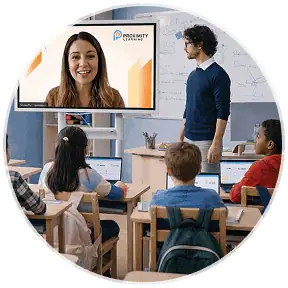
Synchronous online language learning brings the classroom to life through real-time interaction. Instead of watching pre-recorded video lectures, students join world language courses led by certified teachers who livestream directly into the classroom and follow each school’s bell schedule.
This approach combines the accessibility of digital learning with the engagement of live, interactive instruction, giving learners the chance to practice speaking, listening, and writing with a certified teacher guiding them remotely. Supported by an in-person facilitator, every student can participate fully and stay connected to an instructor who understands how to make new concepts stick.
How It Works
In synchronous online language learning, certified teachers livestream directly into classrooms to guide instruction in real-time. Using tools such as interactive whiteboards, digital quizzes, and breakout discussions, teachers keep students engaged and on task throughout each course.
A Learning Management System (LMS)—for example, Canvas or Schoology—serves as the central course hub where teachers post materials, manage assignments, and track grades. In-person facilitators support classroom operations and ensure technology runs smoothly so the certified teacher can focus on instruction and connection.
The Benefits of Online Language Lessons
When done right, online language learning is an opportunity to expand what districts can offer students. Live, synchronous online classes ensure every learner—whether in a large urban district or a small rural school—receives the same high-quality, engaging experience.
Here are some of the most impactful benefits of learning a language online:
- Flexibility: Districts can offer world language courses that follow their existing bell schedules, allowing students to take the languages that interest them most.
- Continuity: Schools can address staffing gaps quickly, maintaining consistent, high-quality instruction across the school year.
- Access to certified teachers: Partnering with Proximity Learning connects schools to certified world language teachers in Spanish, French, German, Chinese, and Italian, expanding course options regardless of location.
- Improved engagement: Livestreamed instruction from certified teachers keeps students active and focused, increasing participation and supporting long-term language development.
- Equity and opportunity: Districts in high-need or hard-to-staff regions gain equal access to experienced world language educators, ensuring every student can learn, communicate, and grow with confidence.
6 Ways Virtual Language Teachers Ensure Student Success
Behind every effective online language class is a certified teacher who knows how to make virtual instruction feel personal, interactive, and rewarding. Virtual educators bring structure and empathy to the learning experience so that students not only understand vocabulary but also develop real-world communication skills.
Their ability to provide immediate feedback, adapt to different learning styles, and create engaging environments helps students stay motivated and confident as they progress through each course. These experienced teachers leverage live instruction, structured lesson plans, and digital tools to help learners achieve measurable growth in their language skills—no matter the language they’re studying.
1. Delivering Live, Interactive Instruction
Virtual educators guide online language lessons in real-time, giving students the chance to listen, speak, and respond instantly. Instead of passively watching a screen, learners engage in conversations, role-plays, and pronunciation exercises that mirror an in-person environment.
This immediate interaction strengthens language skills, builds confidence, and helps students retain new vocabulary through regular practice. By creating a supportive space where mistakes become learning opportunities, virtual educators make every class session meaningful and human-centered.

2. Following Structured, Standards-Aligned Lesson Plans
Each lesson plan follows district-approved standards to maintain consistency across courses. Certified online teachers integrate reading, writing, and speaking components to ensure students achieve measurable outcomes in language proficiency.
The structure keeps learners on pace with their peers in traditional classrooms while allowing advanced learners to deepen understanding through extension activities. Every lesson is designed to connect culture, context, and communication so students can apply what they learn beyond the screen.
3. Using Technology to Enhance Engagement
Certified virtual educators use interactive platforms to make online language learning dynamic and engaging. Tools like interactive whiteboards, digital flashcards, and gamified quizzes encourage participation while reinforcing comprehension and promoting learning.
An LMS tracks attendance, progress, and assignments, so students and in-person facilitators can see growth in real-time. With these resources, teachers can personalize lessons and keep students actively involved, helping them achieve their specific goals for fluency and communication.
4. Providing Continuous Feedback and Support
Feedback is vital in language learning, especially when teaching English, Spanish, French, or other languages. Virtual educators provide ongoing input on pronunciation, grammar, and comprehension, ensuring that students stay on track.
Constructive guidance helps learners correct errors early and stay motivated to practice. In addition, certified teachers coordinate with in-person facilitators to ensure students have access to support during and after class, building consistency between virtual and in-school instruction.
5. Creating a Human Connection Across Distance
Even through a screen, students can feel the presence of a real person who cares about their success. Certified virtual educators know how to form relationships that motivate students to participate, ask questions, and speak confidently.
These connections transform online classes into collaborative communities where learners feel seen and supported. By combining empathy with expertise, virtual educators make the classroom a space for genuine growth and show that meaningful connection is key to mastering any language.
6. Expanding Access to World Languages
Certified virtual educators make it possible for districts to offer world language classes that might otherwise be unavailable due to staffing shortages. Subjects like Spanish, French, German, and Italian often face limited teacher availability, especially in rural or high-need areas.
Through remote teaching, schools can connect students with native-speaking teachers who bring cultural authenticity and accurate pronunciation to every lesson. For example, with Proximity Learning, Palisades Park School District doubled its world language offerings. This access ensures all students, regardless of location, can explore new languages, build global awareness, and gain language proficiency that prepares them for college, careers, and a connected world.
Build Your District’s World Language Program with Proven Virtual Instruction
World language instruction thrives when students can interact with expert teachers who make learning come alive. With more than 15 years of experience in synchronous instruction and over 3,000 classrooms staffed across 400 partner schools, Proximity Learning has proven that certified virtual educators can deliver measurable, lasting results. Our livestreamed online language classes connect students with passionate, certified teachers who help them master communication, confidence, and language skills that will serve them for life.
Proximity Learning ensures every district—no matter its size or location—can provide equitable access to high-quality world language classes in Spanish, French, German, Italian, and more. Each course is led by a real person, tailored to district standards, and supported by trained facilitators who make implementation seamless. Together, we can give students the opportunity to start learning a new language, achieve fluency, and expand their future opportunities.
Talk to us today to see how Proximity Learning’s certified virtual educators can strengthen your world language program and help every student find their voice.