

Five years ago, school bells fell silent, and kitchen tables transformed into classrooms. Now, as districts welcome students back this fall, the echoes of that disruption still shape the way we learn. One undeniable shift? Virtual instruction is here to stay because it works.
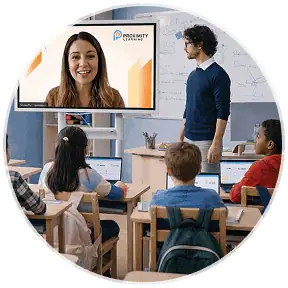
Districts that once struggled to fill classrooms with certified teachers now use live virtual instruction to ensure every student, no matter their ZIP code, gets access to high-quality education. Programs like Proximity Learning have not only bridged gaps during crisis but created long-term solutions to teacher shortages nationwide.
But the return to school isn’t just about filling vacancies. It’s about building a future where students thrive. Districts now blend traditional classrooms with synchronous virtual instruction, offering enrichment and engagement through live streaming learning experiences, preparing students for digital fluency that mirrors college and career expectations.
Five years later, the tools may have changed, but the goal remains the same: every student deserves an expert teacher. And now, more than ever, we have the tools to make that possible. As districts across the country prepare for another back-to-school season, we’re not going back to “normal.” We’re moving forward with what we’ve learned.
And what we’ve learned is that when done right, virtual learning isn’t just a backup, it’s a powerful, permanent tool for equity and excellence in education.
Virtual Learning Went from Temporary Fix to Trusted Solution
In the early days of the pandemic, virtual learning was a necessity. Districts scrambled to set up emergency systems. Students, teachers, and families faced steep learning curves. But over time, many discovered surprising benefits, especially when virtual instruction was live, synchronous, and led by certified educators.
This distinction—live instruction versus pre-recorded lessons—is critical. While asynchronous models reminiscent of the “credit recovery” on-site classrooms left many students disengaged and unsupported, synchronous platforms like Proximity Learning showed that certified live virtual teachers, in real time, truly make all the difference.
Today, live virtual learning has matured into a robust option for schools facing teacher shortages, geographic isolation, or the need for specialized subjects. It’s not just about surviving anymore; it’s about making sure that every student in every zip code is thriving.
Teacher Shortages Haven’t Gone Away, But Solutions Have Evolved
In the five years since the pandemic began, the teacher shortage has only intensified. States like Alaska and Alabama continue to report hundreds of vacant positions and classrooms led by underqualified staff.
That’s where platforms like Proximity Learning step in. Instead of relying on long-term substitutes or overburdened teachers broadcasting to multiple classes, districts can now bring in certified teachers virtually to lead instruction in real time.
The results are clear, virtual makes sense and helps close student achievement gaps according to peer reviewed research. Students receive consistent, quality education from passionate educators—no matter where they live.
Districts like Posen-Robbins in Illinois have leaned on Proximity Learning for years. Superintendent Dr. Anthony Edison says, “Without Proximity, we would probably have one teacher teach multiple classes… or use long-term substitutes, which is something we prefer not to do.” Instead, their students now learn from certified virtual instructors, and their assessment outcomes are on par with traditional classrooms.
Enrichment, Equity, and Engagement Are No Longer Optional
Five years post-pandemic, schools are also rethinking what it means to support the “whole child.” Districts are prioritizing social-emotional learning, peer connection, and engagement alongside academics. And for students in virtual and hybrid models, these priorities are not out of reach—they’re built into the blueprint.
At Proximity Learning, we invest deeply in our teachers and facilitators through robust, ongoing professional development. Every educator is trained not only in high-quality instruction but in fostering connection, equity, and student well-being.
Our approach equips educators to create inclusive, engaging virtual classrooms where students feel seen, supported, and empowered. This matters most for students in underserved, rural, or high-need areas where traditional enrichment may be limited. With intentional training and the right virtual tools, we ensure these students aren’t just mastering content, they are supported throughout their academic journey with our support systems.
Digital Fluency Isn’t a Perk—It’s a Prerequisite
One of the most lasting impacts of the pandemic is this: students today are growing up digital. They’re not just learning through technology, they’re preparing for futures defined by it. From virtual college classrooms to hybrid workplaces, digital fluency has become a foundational life skill. But it doesn’t stop at tech tools. When students engage in high-quality virtual instruction, they also build durable skills—those essential, transferable abilities that outlast any one job or device.
We’re talking about communication across platforms. Time management and self-direction. Collaboration in remote teams. Adaptability in evolving environments. These are the skills employers are already prioritizing, and they’re the same ones students sharpen when they learn in virtual classrooms designed with purpose and engagement.
Schools that embrace virtual instruction aren’t just meeting academic standards. They’re preparing students to thrive in a world where agility, independence, and digital literacy aren’t optional—they’re expected.
Evolution in Education
The meaning of “back to school” has evolved and so has the path to educational excellence. Today, it’s about reimagining learning environments that are flexible, inclusive, and built to last. It’s about equipping every student—no matter their zip code or learning model—with the opportunity to succeed.
Districts are no longer reacting to disruption, they’re designing smarter systems for the future. At Proximity Learning, we stand alongside them, bringing certified, live virtual educators into classrooms and communities where they’re needed most. Whether it’s through core instruction, targeted support, or scalable enrichment, our work is driven by one belief: that access to great teaching is a right, not a luxury.
As we move forward, one thing is clear, “back to school” doesn’t look like it used to. And that’s not a setback. It’s progress.
Looking to take your district further this school year? Explore how live virtual instruction and enrichment programs can transform learning outcomes and create new opportunities for every student. Learn more at www.proxlearn.com.