


A general classroom vacancy is a staffing headache and special education vacancies are so much harder to fill than general classroom roles. A Special Education (SPED) classroom vacancy is a staffing crisis, tangled with Individualized Education Program (IEP) deadlines and legal risks. Each day the position remains unfilled, a student may miss services their IEP guarantees, while your SPED team stretches to cover the gap. This is the tough reality SPED administrators face before the hiring process even begins, yet there are some practical steps for hiring in SPED that you can follow to make the journey to filling your teaching vacancies less harsh. Keep reading to learn what those are, from understanding what makes these roles unique to vetting candidates, navigating the hiring and onboarding process, and how a virtual special education teacher solution like Proximity Learning can ensure smooth continuity and fewer vacancy gaps.
Key Takeaways
- Hiring a virtual special education teacher is not the same process as a general classroom hire. Certification, IEP alignment, and compliance come first.
- Virtual SPED teachers meet the same state and federal standards as an in-person hire.
- The facilitator model applies. An in-classroom facilitator supports the room while the certified teacher remains the teacher of record.
- This guide covers the classroom teacher of record only. Related-services roles (OT, SLP, school psychologist) are covered elsewhere.
Why Hiring for a SPED Classroom Is Different
When a general classroom loses a teacher, it causes disruption. When a SPED classroom loses a teacher, the disruption comes with legal consequences. Students’ Individualized Education Programs outline the services they must receive, and case managers must still document that these services are delivered, even without a teacher in the room. Special education positions also require specialized certification, not just a standard teaching credential, which makes the search for candidates even more challenging. The numbers tell the story: according to the National Center for Education Statistics, 74% of elementary and middle schools struggled to fill special education teaching positions with fully certified teachers for the 2024–25 school year, a challenge greater than nearly any other subject area. Over 60% of high schools reported having the same difficulty. This means SPED vacancies often linger longer than general classroom ones, and each week without a teacher increases the risk that students will not receive the consistent services they need.
What to Verify Before You Partner With a Recruiting Agency
State Certification in Special Education
Make certification your first priority, not just a box to check. Make sure the teacher has state certification in special education, not just a general teaching license. Proximity Learning says every certified virtual SPED teacher it places has this certification, and they verify it before any lessons begin. If the teacher is certified in another state, find out how license reciprocity works and who manages it. Get this information in writing before you set a start date. The SPED services page explains how the district verifies each teacher’s certification.
Experience With IEP Case Management
A SPED classroom teacher works within an existing IEP, so ask whether they have real experience with IEP goals, accommodations, and progress monitoring — not just classroom management. Proximity Learning’s SPED teachers follow each student’s IEP goals, accommodations, and progress monitoring from the start [1]. This is different from case management, which most districts already handle themselves or through a vendor. Hiring a classroom teacher does not replace case management, and it should not be expected to.
Alignment With Your District’s Curriculum and Compliance Needs
SPED case management is already part of your district, so any virtual staffing should fit into that rule and compliant system. Review your special education case management services when hiring a teacher. Ask how the teacher’s instruction will match your district’s curriculum, evaluation timelines, and documentation. Proximity Learning says its virtual SPED teachers use the district’s special services platform and follow the district’s bell schedule before starting with students. Ensuring this alignment before the first class prevents extra work for your team. [CTA] [Talk to Us]
How the Hiring and Onboarding Process Works
Confirming the Role and Compliance Requirements
Everything starts with the essentials: open roles, student caseloads, IEP requirements, and state certifications. This intake is more involved than for a general classroom, since IEP details matter from day one, not after the hire. But if you already know your caseload and certification needs, you can move forward immediately, skip the long recruiting cycle, and tap agencies like Proximity Learning with certified, qualified candidates ready to step in for virtual SPED and related-services roles.
Matching a Certified Virtual SPED Teacher
Next, the goal is to find a certified teacher who matches the student’s specific needs and IEP, not just the subject at hand. Proximity Learning says most districts have knocked on their door looking for a certified virtual SPED teacher and the agency has provided livea nd interactive, not pre-recorded, instruction within weeks, or even days, after onboarding. The live model is key for SPED classrooms because teachers often need to adjust pacing or materials right away, which isn’t possible with pre-recorded lessons. The teacher follows the district’s IEP goals, accommodations, and schedule before starting with students.
Coordinating With the In-Classroom Facilitator
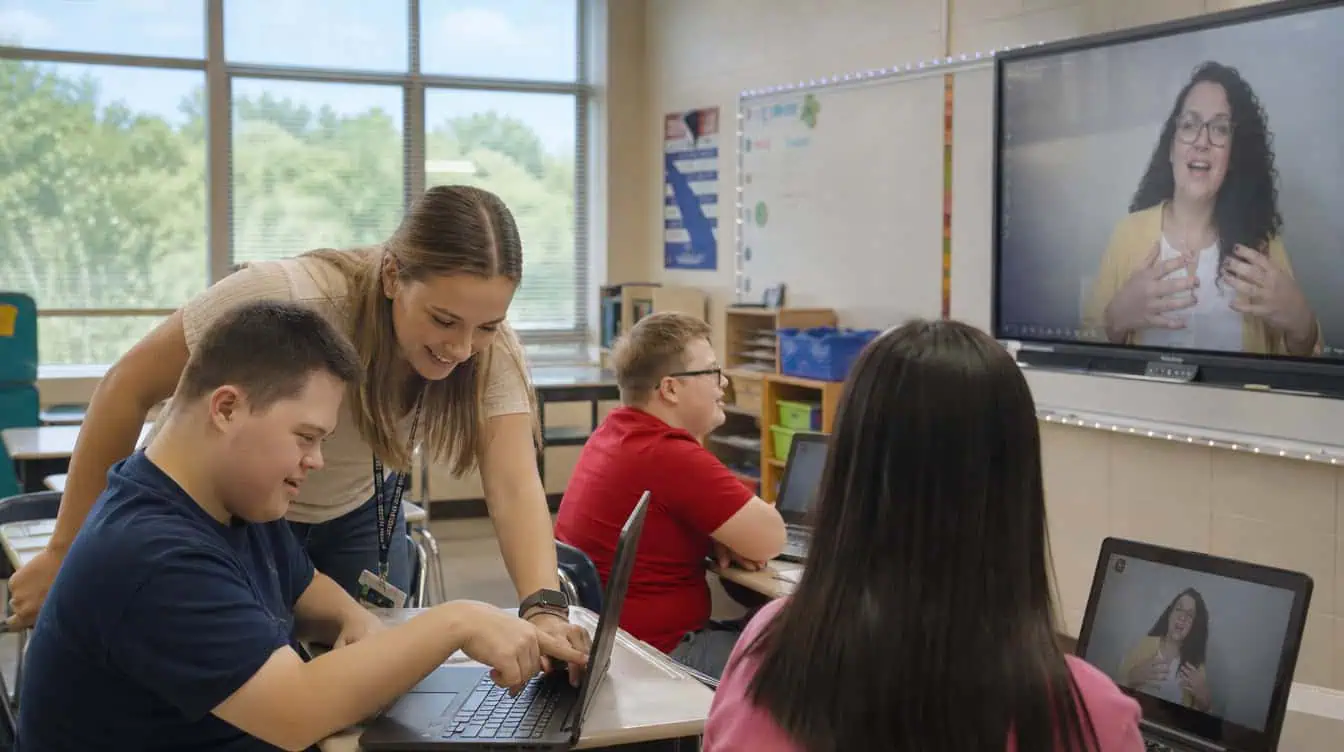
The facilitator model is still used for SPED placements. An in-classroom facilitator manages the room and helps keep students engaged, while the certified teacher handles teaching, assessment, and grading. In a SPED classroom, the facilitator supports the room, but the certified teacher handles accommodations and real-time adjustments, since they are trained to change pacing and materials during live lessons. Choosing and preparing the facilitator early helps keep everything on track, just like in any other livestreamed class.
What to Expect Once the Role Is Filled
Maintaining IEP Timelines and Documentation
Hiring for the role is only the first step for compliance. Districts that work with Proximity Learning have access to professionals who handle IEP, FERPA, HIPAA, and FAPE documentation, as well as regular student progress updates. Ask how progress is reported and how often, and make sure the format matches your district’s current systems so you do not have to manage two separate processes.
Coordinating With Existing Case Managers
A virtual classroom teacher does not replace your case managers and should not be expected to. These two roles work together: the case manager leads the IEP process, while the classroom teacher provides the instruction required by the IEP. Proximity Learning describes its virtual SPED teachers as working within the district’s existing special services system, not outside it. If your district has its own case managers, make sure you know how the virtual teacher’s records and progress data will reach them, so nothing is missed between the two systems.
Building Long-Term Stability, Not Just a Stopgap
SPED administrators often worry less about how quickly a virtual hire can start and more about whether the placement will last through a full year of IEP cycles. A same-day placement does not help if the teacher leaves after a semester. Ask about placement length and what happens at renewal, and request specific details instead of general promises. A provider that can explain its retention and renewal patterns, not just its placement speed, is addressing concerns that a short-term solution cannot. Proximity Learning adjusts to your needs; their teacher can work as a gap-filler until a district’s own hiring catches up, which is a different commitment than a short-term fill-in, or can stay for a full semester.
Speed Shouldn’t Come at a Cost
Hiring for a SPED classroom matters more than filling a regular vacancy because IEP requirements continue even if a position is open. The process should follow the same careful steps as any specialist hire: check certification and IEP experience first, confirm how the role fits with your district’s case management and compliance systems, and ask what continuity will look like after a year, not just after a week. A virtual special education teacher hiring solution can meet these standards when it focuses on certification and compliance, not just speed. If you have a specific SPED staffing need, Proximity Learning is happy to discuss it with you. Bring your caseload, certification needs, and questions, and we can work together to find a compliant, stable placement for your students. [CTA] [Talk to Us]
Frequently Asked Questions
What does hiring a virtual special education teacher actually involve?
When you hire a Proximity Learning teacher, it means having access to a state-certified special education teacher who delivers live, synchronous instruction to your students remotely, aligned to their IEP goals and accommodations, with an in-classroom facilitator supporting the room.
How does a district start the process of hiring a virtual SPED teacher?
Share your open positions, student caseloads, IEP requirements, and any state certification needs. From there, a provider matches a certified teacher to those requirements and aligns the placement with your bell schedule and existing systems before instruction begins. [CTA] [Talk to Us]
How much harder is it to fill a SPED role than a general classroom role?
Federal data shows 74 percent of elementary and middle schools had difficulty filling a special education vacancy with a fully certified teacher heading into 2024–25, among the hardest categories reported.
Isn’t a virtual SPED teacher a workaround rather than a real solution?
It depends on how it is built. A short-term substitute is a workaround. A certified teacher who aligns with your IEPs, documentation, and case managers is a staffing solution, not a stopgap, provided the placement is built for the full school year rather than a quick fix.
Will a virtual SPED teacher stay current with our students’ IEP requirements?
Ask for specifics. Proximity Learning states its virtual SPED teachers align with each student’s IEP goals, accommodations, and progress-monitoring requirements, with ongoing FERPA, HIPAA, and FAPE-related documentation and progress updates. Confirm the reporting format and frequency before the placement starts.