
Advancements in technology have transformed virtual education, but interactive learning remains one of the most effective teaching tools. When students are actively participating instead of passively listening, their understanding deepens, their confidence grows, and their outcomes improve. Previously, interactive learning struggled to find its place in virtual spaces. Now, students are provided the benefits of interactive learning within the synchronous virtual environment.
The goal of interactive learning is to create an experience that keeps students engaged, supported, and progressing. The challenge isn’t figuring out if interactive learning works. Instead, instructors are managing effective implementation methods for today’s students without losing the human connection students need. When done right, virtual teaching doesn’t replace the classroom. It strengthens it.
What Is Interactive Learning?
Traditionally, learners act as listeners rather than active participants. Interactive learning benefits students of all ages and backgrounds by allowing them to actively engage with teachers and other learners during class time. In the past, this type of learning experience was limited to the traditional physical classroom. Today’s virtual models make it possible to deliver the same level of engagement through structured, supported, livestreamed instruction.
In a high-quality virtual classroom, students have access to a wide range of interactive tools that support active learning and collaboration, including:
- Interactive whiteboards
- Screen sharing capabilities
- Online discussion boards
- Chat rooms
- Pop quizzes integrated into livestream instruction
- Interactive games
- Breakout rooms for group projects and discussions
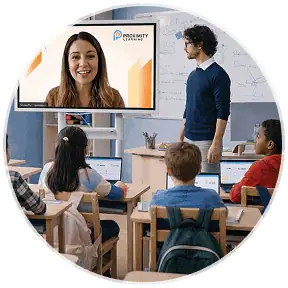
This type of interactive learning environment is part of what’s known as synchronous online instruction, an online format where instruction happens live, in real time. In online education, students are physically in a classroom with a facilitator, while a certified teacher leads the class remotely through a livestream. This creates dynamic interactive learning experiences where students can ask questions, participate in class discussions, and receive immediate feedback. Virtual education systems also relieve pressure on school districts searching for qualified instructors during a shortage. Without the restriction of commute, certified instructors can reach students across the country.
To support this structure, schools use multiple systems working together. A Learning Management System (LMS) such as Canvas or Schoology is used to track attendance, manage grades, and organize course materials. At the same time, video platforms enable live instruction, while additional digital tools like interactive quizzes and collaborative activities enhance engagement. Together, these systems create a cohesive virtual learning environment that enhances the structure of a physical classroom.
Research shows that students who participate in interactive learning achieve higher academic outcomes than those in passive virtual classes built around pre-recorded video lectures (a model known as asynchronous instruction). Still, measuring success requires more than test scores. District leaders are increasingly looking beyond traditional metrics to evaluate how well students are developing critical thinking skills, engaging with content, and progressing in meaningful ways.
How to Ensure Live Virtual Teaching is Hitting the Mark
Creating an effective virtual learning program isn’t just about launching online courses. You need to continuously evaluate whether your virtual classroom is delivering a strong learning experience for every student. The right indicators can help you identify what’s working, what needs adjustment, and where students may need additional support.
To gain a deeper understanding of a program’s effectiveness, it’s important to look at both academic performance and student engagement across your online learning platforms. The following areas provide a clear, actionable way to measure success.
Attendance
No school has an attendance rate of 100%; in fact, the National Center for Education Statistics reports that the average attendance rate nationwide is 90%. Students face circumstances out of their control. However, your average attendance rate is an indicator of whether your synchronous virtual learning program is meeting your learners’ needs.
Students who are satisfied with the program, feel a sense of belonging, and are eager to see their progress will be more likely to show up to school than those who feel isolated, believe the work they are doing is unimportant, and can’t understand the learning materials in their online learning environment.
A dip in attendance rate may point to gaps in your online environment. It’s important to identify these issues quickly. The program may lack the interactive tools or personalization for diverse learning styles that students need to succeed. Perhaps your school needs a better internet connection to allow for ample student engagement with the virtual teacher. Alternatively, your virtual classroom course selection and content may not be meeting learner needs.
Assessing the issues that are contributing to low attendance can drastically improve student engagement and maintain high participation across online programs.

Ambiance
The overall atmosphere of your physical classroom matters, even in a virtual environment. The ambiance and student experience impacts how dedicated learners are to their work. It’s important to consider: Are learners happy to come to class? Do they enjoy talking with fellow learners during class and break times? Do they get along well with each other and seem satisfied with their academic progress?
A hostile or unmotivated environment can deter students from showing up or putting in effort. When learners observe their peers’ attitudes or behaviors, they may model after them, especially in early developmental years. Change in atmosphere, as well as patience, can take a student’s learning experience a long way.
The overall “mood” in your school is an indicator of the success of your online learning environment. It can also affect other metrics, such as attendance rate and student engagement levels with interactive learning tools. A positive, supportive environment encourages student voice and helps students stay engaged throughout the school day.
Student Engagement
Engagement is one of the clearest indicators of success in interactive learning. In a well-structured virtual classroom, students should be actively participating.
So you should ask virtual teachers to provide periodic updates on student engagement and participation. Do students feel comfortable participating and sharing information readily? Do they ask questions, respond to teacher questions, and comment on lessons when appropriate? Is there a high level of active participation?
Creating an interactive learning environment will provide little benefit if learners don’t take advantage of the tools available. Strong engagement within the virtual classroom shows that students are not only present but also actively involved in the learning experience, leading to higher academic results. Strong engagement signals that your virtual teaching model is creating a meaningful learning experience.
Graduation Rate
Graduation rates are affected by a variety of factors, including geographic location and demographic factors. To distinguish these factors from an online learning program’s effectiveness, however, it’s worthwhile comparing your school’s graduation rate from before implementing a virtual program to now. This comparison can provide valuable insight into how well your online programs are supporting long-term success.
One of the key advantages of synchronous instruction is that it gives your students access to elective classes and CTE courses that you wouldn’t have been able to offer without a virtual learning model. When students have access to relevant, engaging coursework led by certified teachers in a structured, real-time environment, they are more likely to stay engaged and persist through challenges. A wider variety of electives can allow students to dive into new interests and inspire their careers. Over time, this increased engagement can contribute to stronger graduation outcomes and a more consistent path to completion.
Post-Graduation Success
Class discussions don’t always have to focus on coursework. The advantages of interactive learning within a synchronous learning environment display clear results in older students, especially as they consider their post-graduation plans. To analyze how interactive learning methods are affecting students, establish effective dialogue with older students.
Ask your seniors if they feel they’re prepared for real-world scenarios. Ask them if they plan to attend college or university, obtain vocational training, or secure a job upon graduation. Follow up on the steps they have taken to achieve their goals, and what skills they have obtained from virtual learning that will aid them in this process.
Interactive learning is designed to develop critical thinking and problem-solving skills, so look for evidence of these abilities when talking to older students. If your learners have plans for their future, the motivation to reach their goals, and feel hopeful about their prospects, it’s likely your methods are working well.

Facilitator Feedback
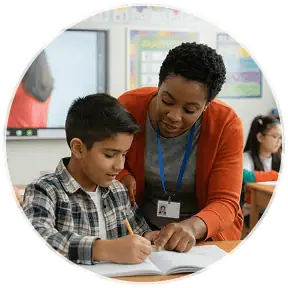
You should always have facilitators present during livestream classes in your classrooms. Facilitators can help learners who have IT problems and ensure learners don’t get distracted or misbehave. They support students in the classroom, help troubleshoot issues, and provide insight into how students are interacting with the online format.
Additionally, facilitators can offer valuable feedback that can address problems early and develop better interactive learning strategies. For instance, facilitators may notice a faulty microphone, making it difficult for some learners to participate in class because they can’t hear everything the teacher says.
Alternatively, your facilitator may have input on seating arrangements and other practical matters that could be affecting student participation and engagement within the virtual classroom.
Academic Performance
While engagement matters, academic performance still plays a critical role. Traditional testing methods, such as quizzes and exams, are necessary in measuring student success as they can help determine whether students understand key academic concepts and can apply them effectively. They can also measure critical thinking skills, as students must demonstrate that they can apply what they’ve learned to solve problems.
Students should be compared against their past performance rather than national averages. This provides a clearer picture of individual student growth. When paired with interactive learning strategies and personalized feedback, these insights can help you refine your approach and improve outcomes.
Are your learners’ scores remaining the same or improving? Are some learners falling behind while others are doing well? If so, try to identify the reasons why and provide the appropriate accommodations. Adding certain interactive learning tools can improve student engagement and comprehension across your online learning environment.
How to Improve Your Students’ Success Rate in Virtual Learning Environments
If you want to improve your student outcomes in online education environments, you need to monitor metrics and carry out intentional strategies that enhance interactive learning and support every student’s progress. When your virtual classroom is designed with engagement, structure, and flexibility in mind, students are better positioned to succeed.
Here are practical ways to strengthen student success in your online learning programs:
- Prioritize interactive instruction: Use interactive tools like breakout rooms, polls, and collaborative activities to keep students actively involved. This helps students stay engaged and improves how well they retain information.
- Align courses with student interests: Regularly evaluate your courses and expand offerings to include relevant options like CTE and world language classes. When students are interested in what they’re learning, they are more likely to participate and complete assignments.
- Strengthen facilitator support: Ensure facilitators are equipped to support the online learning environment and help maintain structure in the classroom. Their role is key in creating a smooth and productive learning experience, and providing professional development opportunities can help them do so.
- Incorporate multimedia resources: Use videos, simulations, and other multimedia resources to support different learning styles and engage students. This makes content more accessible and helps students better understand complex topics.
- Provide consistent, personalized feedback: Regular opportunities for students to receive quality feedback helps reinforce learning and build confidence. When students can identify where they stand, they can adjust and improve more effectively.
- Support time management and accountability: Help students build time management skills by setting clear expectations and providing structured schedules aligned with the school’s bell schedule. This encourages independence and consistency not always available in asynchronous settings.
- Create opportunities for student voice: Encourage participation through class discussions and collaborative activities. When students feel heard, they are more likely to stay engaged and take ownership of their learning.
A Smarter Way to Deliver Interactive Learning at Scale with Proximity Learning
Measuring student success isn’t a one-time task. You’ll want to regularly assess performance to ensure your interactive learning system is providing learners with consistent, high-quality education. It’s also wise to periodically review the tools you use, even if learners are doing well. As modern technology advances, new interactive learning platforms and tools may become available that will help cultivate a vibrant, engaging learning environment.
Proximity Learning brings over 15 years of experience delivering synchronous virtual teaching that connects students with certified, experienced teachers in real time. Each course is led by a certified teacher and streamed directly into the classroom, where students learn alongside their peers with the support of a facilitator. This structure ensures students benefit from both human connection and advanced digital tools, creating a balanced and effective learning environment that boosts student results.
With access to core classes, CTE programs, special education, summer classes, tutoring, and elective courses, districts can expand their offerings while maintaining high standards for student learning. Courses are aligned to your school’s bell schedule, granting flexibility to allow you to adjust course lineup as student needs evolve.
Are you ready to enhance your student success through live virtual learning? Contact us today to learn more about our services or look into our onboarding process.