

When it comes to student engagement in online learning, the teacher leading the class is just as important as the technology behind them. Some people still think online means students watching alone at a kitchen table, but real interaction can happen anywhere. The right teaching methods and setting help students take an active, cooperative role in their learning, even if the teacher is not physically there.
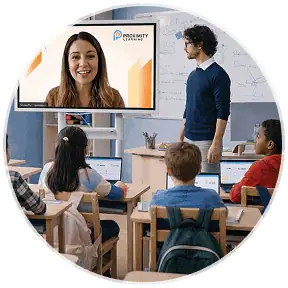
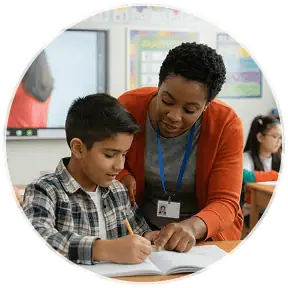
With synchronous teaching, students are together in their classroom, adhering to their school’s bell schedule, with an in-person facilitator supporting them, while a certified teacher is livestreamed in and teaching live. Students still turn to a classmate, still raise a hand, still have an adult in the room.
When you partner with experienced, certified educators, you create an environment that encourages participation, builds relationships, adapts to different needs, and keeps students invested throughout the year. Those are the factors that increase engagement, strengthen learning, and lead to long-term student success.
The Importance of Student Engagement in Online Learning
Strong student involvement, actively taking part in discussions, collaborating with classmates, asking questions, and interacting with both the teacher and the lesson in real time, is the foundation of a successful classroom.
This is why the difference between synchronous and asynchronous instruction really matters. Asynchronous courses give students pre-recorded video lessons and ask them to work through the material on their own schedule. Synchronous instruction mirrors an in-person classroom by bringing teachers and students together live.
Certified teachers teach lessons through secure video calls while using a Learning Management System (LMS), a central online platform that organizes course content, collects assignments, shares materials, tracks progress, supports communication, and manages grades.
When you prioritize meaningful engagement in your virtual classrooms, you’re both creating an enjoyable learning experience and building an online environment where students can stay connected, motivated, and prepared for long-term success. This brings many benefits, including:
- Improves student learning
- Strengthens critical thinking
- Boosts motivation and participation
- Supports better learning outcomes
- Builds meaningful relationships and student connection
- Encourages collaboration
- Promotes accountability
- Creates a more inclusive classroom
7 Ways to Keep Students Engaged in a Livestreamed Class
Keeping students engaged during live virtual instruction takes intention, consistency, and the right teaching strategies. The most effective certified teachers combine relationship-building, interactive instruction, meaningful feedback, and clear communication to create classrooms where students stay involved from beginning to end. Here are seven proven ways you can foster stronger engagement and create a more impactful virtual learning experience.
1. Build Strong Relationships Through Instructor Presence
Strong student engagement in online courses starts with students feeling seen, supported, and connected. Certified teachers establish a consistent instructor presence by greeting students by name, holding regular check-ins, and maintaining ongoing communication throughout the semester. They also host virtual office hours where learners can ask questions and receive support outside of class time.
When you prioritize these qualities in an online teacher, you create a classroom where students feel more confident engaging, develop a stronger sense of community, and achieve greater success.
2. Create Interactive Learning Activities That Promote Participation
Engaged students don’t just watch a lesson. They take part in it. Certified teachers use group activities like live polls, partner work, small group problem-solving, and shared online workspaces to keep students involved throughout the class. Because students are physically together, group work happens as it always has, face to face, with the teacher leading from the screen and the in-person helper moving around to support.
3. Provide Timely Feedback That Keeps Students Moving Forward
Feedback has the greatest impact when students receive it while the material is still fresh. Certified teachers provide timely feedback on assignments, major assignments, and classroom participation so students know exactly where they’re succeeding and where they need to improve.
Look for teachers who do more than just give a grade and provide helpful comments that encourage growth and build confidence. That steady support helps students stay motivated, work toward course goals, and take real control of their own progress.
4. Encourage Meaningful Discussions Beyond the Lesson
Learning shouldn’t stop when the livestream ends. Certified teachers extend conversations through discussion forums and other collaborative activities that encourage students to respond to each other and exchange ideas about the course materials.
When you create opportunities for students to continue the conversation, they strengthen their critical thinking skills, learn from different perspectives, and build lasting connections with their peers. Over time, those interactions foster stronger online learning communities and a more connected learning community that supports higher levels of engagement.
5. Adapt Instruction to Different Learning Styles
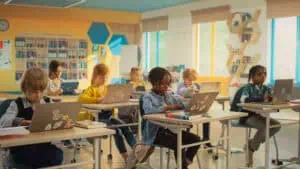
Every classroom has students who come with different background knowledge, language needs, interests, and special supports written into their IEPs. Certified teachers respond by changing how they present material, mixing explanations, pictures, hands-on activities, and group work instead of using just one method for a whole unit.
When evaluating virtual instruction, look for teachers who present course content in multiple formats instead of relying on a single approach. That flexibility helps more learners stay engaged, improves student perceptions of the course, and supports stronger learning outcomes.
6. Set Clear Expectations and Help Students Stay Accountable
Students are more likely to succeed when they know exactly what’s expected of them. Certified teachers clearly communicate:
- Course goals
- Due dates
- Participation requirements
- Expectations for completing course materials
Clarity matters even more when teaching happens through a screen, because a student who is confused about an assignment cannot ask the teacher in the hallway afterward. Posting expectations in the LMS, saying them out loud again, and making sure the in-person helper knows them too gives students three ways to get the same answer.
Regular reminders and progress check-ins help students stay organized, practice strong self-regulation, and stay motivated throughout the semester. This structure reduces confusion and creates a smoother path toward student success.
7. Create a Learning Community That Motivates Students
A strong learning community helps students feel connected to their teacher and classmates. Certified teachers create planned opportunities for working together, talking, and solving problems as a group, so that interaction becomes a regular part of class.
Research on online learning consistently points to belonging as a key factor in participation and persistence. A study of more than 4,500 undergraduate students, published in Distance Education, found that learning environments that support a sense of belonging help students participate more fully and meaningfully. Earlier research in the International Review of Research in Open and Distributed Learning identified three themes that drive a sense of belonging among online learners: interaction and engagement, the culture of the learning environment, and support.
Feeling like they belong is not something this model has to create from nothing. It is already there, and a skilled teacher builds on it. When students feel like valued members of a community they can see and touch, they take part more often, stay engaged, and do better.
Giving Every Student Access to an Engaging Learning Experience with Proximity Learning
Every student deserves a classroom where they feel connected, challenged, and inspired to learn. With the right teacher leading live lessons, a staffing shortage becomes a chance to give more students access to great teachers while creating learning experiences that help every student succeed.
At Proximity Learning, that’s been our mission from the very beginning. For over 16 years, we’ve helped districts overcome staffing challenges by connecting students with certified teachers through live, synchronous instruction. Today, we proudly support 400+ school districts, staff 3,000+ classrooms, and strive to reach our goal of improving educational equity for more than 1 million students nationwide. When you partner with Proximity Learning, you’re choosing an experienced team that’s committed to helping your students stay engaged and your district succeed.
Contact Proximity Learning today to see how our certified virtual teachers can help your district build more engaging classrooms and better student outcomes.