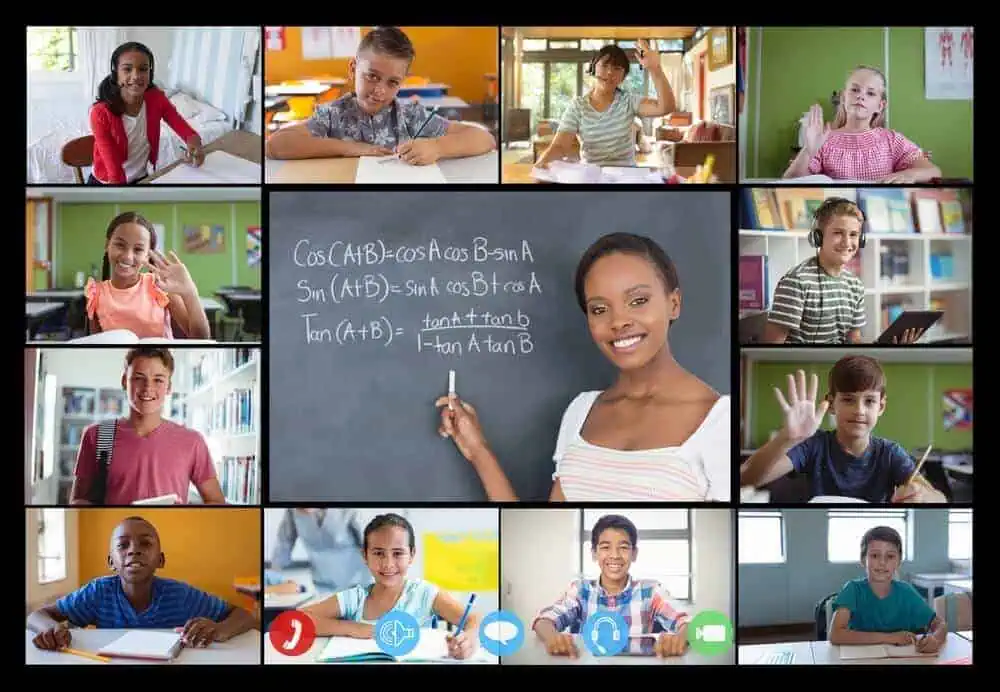
Every school wants to prepare students for the future. Many districts, however, find that delivering high-quality science, technology, engineering, and math (STEM) education across all STEM subjects can be challenging. Limited access to certified educators, lab space, and specialized resources often means that not all students have the same opportunity to explore the STEM field, especially in middle school and high school.
That’s where livestreamed STEM instruction expands what’s possible. Through real-time, synchronous online programs, schools can expand access to STEM instruction, bringing certified teachers, interactive tools, and real-world experiences directly into the classroom. This approach helps students develop problem-solving skills, build critical thinking, and explore future career paths in a way that feels relevant and engaging.
When implemented well, virtual STEM learning does more than fill gaps. It helps empower students, supports educators, and prepares the next generation to succeed in a rapidly evolving job market.
What Is Virtual STEM Education?
STEM education consists of four interconnected disciplines that help students build essential skills, strengthen problem-solving, and deepen understanding of real-world challenges.
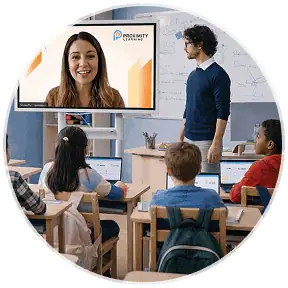
Virtual STEM learning introduces these experiences into a structured online environment through courses that are livestreamed into the physical classroom. Students can benefit from collaboration and interaction with their peers and instructor while receiving quality instruction. Using digital tools, simulations, and real-time instruction, virtual educators work with in-classroom facilitators to guide students through experiments. This type of synchronous online instruction provides project-based learning and hands-on exploration that support both academic growth and real-world application.
Types of Classes Available
Livestreamed STEM education opens the door to both core academic courses and career-focused electives, giving students a clear path from early interest to future careers. With livestreamed instruction, schools can expand access to specialized STEM subjects that may not otherwise be available due to staffing or budget limitations.
Classes available include:
- Core STEM Courses: Foundational math and science classes, such as chemistry, physics, and biology, help students build a strong understanding of key concepts through interactive simulations and guided instruction.
- CTE STEM Programs: Career-focused Career and Technical Education (CTE) programs like robotics, computer science, engineering, and information technology allow students to explore STEM careers while gaining practical skills through hands-on and applied learning.
- Advanced and Elective Offerings: Schools can also offer advanced or specialized courses such as environmental science, coding, artificial intelligence, and machine learning, giving students the opportunity to challenge themselves while exploring emerging fields.
By expanding access to these programs, districts can support more students and create meaningful opportunities for exploration, skill building, and long-term success.
5 Ways to Expand STEM Education With Virtual STEM Instruction
Expanding STEM education is rooted in creating meaningful opportunities for students to explore, engage, and build the skills they need for the future. Virtual instruction makes it easier for schools to scale their programs while maintaining quality and consistency.
With the right approach and long-term planning, districts can remove barriers, reach more students, and create a stronger, more engaging learning environment. Here are five ways to provide high-quality STEM education using virtual instruction.
1. Increase Access to Specialized STEM Courses
One of the most effective ways to expand STEM education is by offering courses that would otherwise be unavailable. Schools can partner with instructional providers to bring in certified educators who specialize in areas like engineering, advanced science, or emerging technologies.
To implement this, start by identifying gaps in your current curriculum and prioritizing high-demand STEM subjects. Then integrate livestreamed courses into your existing schedule so students can participate without disrupting their day. This allows more students to explore advanced topics and discover new career paths.

2. Incorporate Hands-On and Interactive STEM Activities
Strong STEM education depends on hands-on learning and active participation. Virtual instruction can support this through simulations and interactive STEM activities that allow students to test ideas and explore real-world applications.
Schools can adopt platforms that provide digital lab experiences, encourage students to analyze data, and guide them through model building or experiments. This approach strengthens problem-solving and helps students connect abstract concepts to real-world use.
3. Connect STEM Learning to Real-World Careers
Helping students see the connection between what they learn and their future is key to engagement. Virtual STEM programs make it easier to introduce students to STEM careers and align learning with current industry needs.
Districts can incorporate career-focused lessons, guest speakers, or projects tied to the job market. By connecting lessons to real-world outcomes, students gain a better understanding of how their education supports and expands their long-term goals and future careers.
4. Expand Opportunities for Underserved Communities
Virtual instruction plays an important role in making STEM education more equitable. Schools in rural or under-resourced areas can use livestreamed programs to bring high-quality instruction to their students. To carry this out, districts can share courses across schools or provide access to centralized online programs so that more students, regardless of location, have access to the same resources, educators, and opportunities to explore STEM.
5. Support Collaboration and Problem Solving in the Classroom
Collaboration is a critical part of STEM learning. Virtual instruction allows students to work together in real time, participate in discussions, and solve real-world problems as a group. Educators can design lessons that encourage students to work collaboratively, share ideas, and approach challenges from an interdisciplinary approach.
4 Ways Livestreamed Instruction Expands Access to STEM Education
Expanding access to STEM education isn’t just about offering more courses. It’s about removing barriers and creating opportunities for more students to engage in meaningful learning experiences. Livestreamed instruction helps schools do exactly that by connecting students with certified educators, interactive tools, and real-world experiences that support student learning and long-term success.
1. Connecting Students to Certified STEM Teachers
One of the most powerful benefits of virtual STEM education is the ability to connect students with certified, highly qualified educators regardless of location. Many schools struggle to hire specialized teachers in science, engineering, and technology, especially in rural or under-resourced areas.
Livestreamed instruction removes those barriers by allowing certified teachers to instruct remotely and bring their expertise in science, engineering, and technology directly into classrooms. Districts can partner with certified instructors to schedule live courses aligned with their school calendars and bell schedules, so every student has consistent access to rigorous instruction led by credentialed professionals.
2. Bringing Hands-On Learning to Every Classroom
STEM thrives on exploration, experimentation, and hands-on learning. Livestreamed instruction makes that possible even without a physical lab. Through interactive simulations, guided instruction, and virtual lab activities, students can test hypotheses, analyze data, and apply concepts in real time.
Teachers can use digital resources and materials to replicate lab experiences safely and affordably, giving middle school and high school students the same high-quality instruction found in advanced STEM programs. Districts can strengthen this model by investing in reliable technology and securing innovative solutions, so they can provide equal opportunities for every learner.
3. Expanding Career Pathways Through CTE Integration
Livestreamed STEM instruction gives students the chance to explore careers they may not have considered before. Districts can expand access to courses that prepare students for college and future STEM fields by integrating innovative STEM programs into CTE classes. These include:
- Computer science
- Robotics
- Engineering design
- Biomedical technology
Schools can collaborate with local universities, industry partners, or virtual providers to align curriculum with workforce needs. This approach enhances student outcomes and strengthens community ties by giving learners a clear, practical path from STEM learning to professional success.
4. Making STEM Education Equitable and Scalable
Every student deserves the chance to explore STEM disciplines. But access often depends on location and resources. Livestreamed instruction levels the playing field by making advanced STEM courses and programs scalable across multiple schools, even with limited budgets or staffing. By sharing courses and resources, districts can create a more equitable system that supports economic growth, drives innovation, and prepares the next generation to take on global challenges.
Inspire the Next Generation of Innovators with Proximity Learning
STEM education plays a critical role in preparing students for future opportunities, yet many districts still face barriers to access. With livestreamed instruction, schools can remove these barriers and create opportunities for more students to explore, learn, and grow. The result is not just stronger student outcomes, but a generation of thinkers ready to take on the challenges that define tomorrow.
For over 15 years, Proximity Learning has partnered with more than 400 school districts and staffed over 3,000 classrooms with certified, livestreamed teachers. Our goal is to make quality STEM education available to every school, regardless of geography or resources. Our model connects students to real experts and engaging instruction that brings STEM learning to life, preparing them for high-demand careers and a world driven by innovation.
If you’re ready to expand access to STEM education and help your students build the skills they need for the future, now is the time to take the next step. Talk to us today to learn how Proximity Learning can support your STEM programs and empower your students.