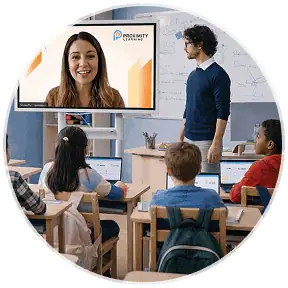


Every school district wants to deliver great instruction. But as virtual learning becomes more widespread, figuring out what that looks like in practice can be challenging. With classrooms evolving beyond four walls, district leaders are searching for best practices for K-12 virtual instruction that keep learning consistent, interactive, and human. The goal isn’t to replace teachers or in-person learning, but to make sure technology enhances the learning process instead of complicating it.
When done right, virtual classrooms become vibrant spaces for connection, creativity, and growth. Educators can use digital tools to engage students, encourage collaboration, and maintain the same high standards expected in traditional classrooms. It’s about combining innovation with intention – creating an online environment that feels as personal, structured, and effective as any physical classroom.
A Quick Look Into K-12 Virtual Instruction
K-12 virtual instruction mirrors the best parts of in-person learning, combining livestreamed, interactive lessons with digital structure and support. In a virtual classroom, certified teachers lead students through real-time discussions, small groups, and hands-on activities designed to keep everyone engaged.
Classes take place through secure video platforms, where students can ask questions, share ideas, and collaborate with classmates just as they would in a physical classroom. Digital tools like virtual whiteboards, polls, and breakout rooms make the learning experience more dynamic, helping students participate actively instead of passively listening.
A key component of online learning is the Learning Management System (LMS). An LMS is a digital hub where teachers post course materials, track attendance, grade assignments, and share resources with students. It also gives students one central place to access lessons, review feedback, and stay organized throughout their virtual courses.
Together, live video sessions and an LMS create a structured, supportive virtual learning environment that makes learning accessible, engaging, and effective, even if their certified teacher lives in another state.
Best Practices for Implementing Livestreamed Teaching
Delivering effective livestreamed teaching requires more than just reliable technology – it demands thoughtful planning, clear structure, and a strong human connection. When teachers combine intentional instructional practices with the right digital tools, students gain meaningful learning experiences that mirror the interactivity and engagement of traditional classrooms.
The key is ensuring that every virtual class balances flexibility with consistency, so students feel supported, motivated, and ready to learn. Consider five practical best practices and strategies that help administrators and educators strengthen their virtual models.
1. Prioritize Structure and Consistency
Great virtual learning starts with clear expectations. Establish daily routines, a consistent schedule, and predictable transitions so students know what to expect in each class. Begin live sessions with a brief overview of the day’s goals, followed by interactive discussion and active learning time.
End with a quick recap or morning meeting reflection to reinforce understanding. Consistency mirrors in-person learning, helping students stay organized, manage time effectively, and feel confident navigating their online classroom.
2. Use Interactive Digital Tools
To keep students engaged and inspired, teachers should take advantage of digital tools that promote participation and deeper engagement. They should allow students to collaborate, solve problems, and apply what they’ve learned in real time, add a sense of fun, and motivate students to take an active role in the learning process using:
- Virtual whiteboards
- Polls
- Breakout rooms that allow students to collaborate
- Games and short videos that reinforce concepts
- Quizzes
These tools also provide valuable insights into comprehension. This helps educators adjust lessons and provide opportunities for individualized feedback.

3. Foster a Strong Sense of Community
Even in a virtual classroom, relationships matter most. Create opportunities for students to connect with their classmates through group projects, peer discussions, or social check-ins at the start of each session. Simple routines like morning meetings or small-group activities can help students feel seen, heard, and supported. Encouraging positive communication builds a sense of community, boosts collaboration, and helps students feel connected beyond their screens—key ingredients for a thriving virtual learning environment.
4. Provide Ongoing Teacher Support and Training
Successful virtual instruction depends on confident, well-prepared teachers. Offer ongoing training on effective online instructional practices, classroom management, and how to use digital devices efficiently.
Encourage collaboration through professional learning communities, where educators can share strategies, troubleshoot challenges, and celebrate wins. This kind of collective growth creates a culture of continuous improvement—empowering teachers to innovate while ensuring quality across all virtual classes.
5. Balance Flexibility with One-on-One Support
Every student learns differently, and district leaders should ensure virtual courses include time for individualized attention. Schedule one-on-one support or small groups within the school day to help struggling learners catch up or explore enrichment activities.
Encourage teachers to use LMS data and attendance insights to identify who needs extra guidance. Balancing flexibility with personalization ensures that every learner – not just the self-starters – receives the support they need for long-term student success.
Build Engaging Classrooms Anywhere with Proximity Learning
The future of K-12 education is here, and it’s interactive, equitable, and deeply human. With the right best practices and digital tools, district leaders can ensure that virtual learning empowers both teachers and students, creating dynamic spaces where curiosity thrives and connection drives achievement. The most successful districts aren’t just adapting to change—they’re leading it by turning every virtual classroom into an opportunity for growth.
For over 15 years, Proximity Learning has led this transformation, partnering with more than 400 districts and staffing over 3,000 classrooms with certified teachers. Our team helps administrators implement proven strategies, deliver engaging synchronous lessons, and ensure every student has access to the expert instruction they deserve, no matter where they learn.
We’re ready to help your district deliver the future of learning today. Talk to us today to learn how Proximity Learning’s livestreamed instruction can strengthen your virtual model, boost engagement, and empower every student to succeed.