

Written: November 2023 Updated: March 2026
The COVID-19 pandemic exposed long-standing inequities in our education system, like unequal access to devices, reliable internet, and highly qualified teachers. As schools shifted from the traditional classroom setting to distance learning, many families began asking a single question: What is synchronous virtual learning, and can it close gaps that traditional systems had struggled to address?
For students in rural areas or from low-income communities, the transition to online learning often highlighted a widening digital divide rather than solving it. According to a report by the National Center for Education Statistics, these students are less likely to have access to high-speed internet and computers at home, leading to unequal opportunities for learning.
At the same time, educators began to see that not all virtual models are created equal. The structure of synchronous online learning, with real time interaction and consistent teacher presence, proved to make all the difference for many learners. When implemented well, a strong synchronous learning strategy can restore engagement, strengthen instruction, and help students succeed in a rapidly evolving digital learning landscape.
What Is Synchronous Virtual Learning?
To understand modern virtual learning, it’s important to define what synchronous learning refers to in today’s education model. Synchronous learning is a form of instruction where teachers and students interact live, participating together in real time rather than working independently. Unlike models that rely heavily on pre-recorded lectures or on-demand content, synchronous instruction emphasizes live interaction, structured lessons, and consistent engagement.
How It Works
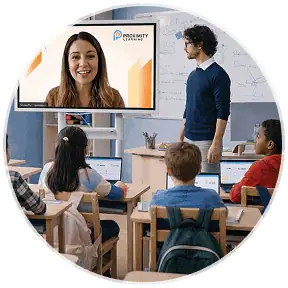
In a synchronous learning environment, students attend classes at scheduled times and interact directly with instructors through video conferencing platforms such as Zoom meetings or Google Meet. Students meet together in a physical classroom accompanied by an in-person facilitator, while the instructor teaches the class virtually.
Teachers use digital synchronous learning tools to guide lessons and keep learners engaged. These include:
- Interactive whiteboards
- Breakout rooms
- Chat features
- Collaborative documents
Central to this structure are Learning Management Systems (LMS), sometimes referred to as scalable LMS or learning management systems. These management systems allow instructors to post course material, track attendance, monitor progress, and provide feedback in an organized, secure way.
A strong LMS ensures that synchronous sessions are supported by clear lesson plans, accessible resources, and consistent communication. With the right tools in place, synchronous online classes provide structure while allowing flexibility across multiple time zones.
Synchronous vs. Asynchronous Virtual Education
The main difference between virtual synchronous learning and asynchronous learning lies in the timing of interaction. In an asynchronous learning environment, students access recorded lectures, discussion boards, and assignments on their own schedule. While this asynchronous online learning model can offer flexibility, it often requires a high level of self discipline and may limit real time interaction between learners and instructors.
In contrast, synchronous learning enables real time communication, immediate feedback, and collaborative group work. Students can clarify concepts as they are introduced and benefit from listening to classmates’ questions during live sessions.
For many learners, especially those who struggle with independent study, this live structure provides higher motivation and a more interactive experience than asynchronous online formats. When comparing synchronous and asynchronous learning, the presence of consistent instructor engagement often makes all the difference.
The Benefits of Synchronous Virtual Learning with Proximity Learning
While synchronous learning offers strong advantages in theory, its true impact becomes clear when implemented by experienced educators with the right tools and support systems. Proximity Learning has built its synchronous online model to address real challenges schools face today, from teacher shortages to limited course access.
The following sections outline how Proximity Learning’s synchronous virtual solutions create measurable benefits for schools, students, and districts.
Addresses Digital Inequity
Students from disadvantaged backgrounds are more likely to experience academic setbacks, and this is made worse by the growing digital divide. According to a study by the Pew Research Center, 14% of US households with children do not have high-speed internet access, making it harder for students to complete homework, access online learning materials, or participate in live virtual classes. Proximity Learning is working to address this issue by providing schools with reliable and secure virtual learning solutions. Students can attend virtual classes and be connected with a synchronous, highly-qualified teacher, without the need for expensive hardware or software.
Furthermore, virtual learning provides equitable access to highly qualified teachers who may not be available in students’ neighborhoods. According to a study by the Education Trust, affluent schools have more experienced teachers than those in low-income areas, leading to a disparity in access to quality education. This is where Proximity Learning comes in. Proximity’s virtual platform connects students with highly qualified and certified teachers from across all 50 states, providing equal access to quality instruction for all students.
Provides Individualized Education
Proximity Learning also offers curriculum-specific solutions for each student, such as differentiated instruction and individualized learning plans. For low-income schools with limited resources, having access to a wide range of curricular materials can be difficult. Proximity Learning solves this problem by offering a library of digital resources that are guided by expert teachers and tailored to align with state standards.
Through structured synchronous sessions, instructors can provide immediate feedback and adjust instruction in real time. This personalized approach enhances the overall learning experience and supports diverse learners within a cohesive virtual classroom.
Offers Expanded Course Lists
Beyond access to qualified teachers, virtual learning levels the playing field by providing access to advanced coursework and specialized programs. Proximity Learning offers a range of courses, including Advanced Placement and world language classes, which may not be available at every school due to budget constraints. Additionally, virtual learning provides access to specialized programs for students with disabilities or for those who need additional support outside of the regular classroom.
By expanding online courses and virtual classroom offerings, schools can serve students across multiple time zones and communities, ensuring access to rigorous academic pathways regardless of geographic location.
Brings Real Results
The impact of Proximity Learning’s virtual solutions can be seen in the testimonials from schools and districts that have partnered with them. Owsley County School District, located in rural Kentucky, experienced a significant improvement in student engagement and achievement after implementing virtual classes with Proximity Learning. The district’s Superintendent, Tim Bobrowski, noted that the high-quality virtual instruction helped bridge the gap in education between students in Appalachia and those in more affluent areas. Similarly, the Los Fresnos Consolidated Independent School District in Texas was able to expand its course offerings with virtual classes, allowing its students access to some of the best teachers in the state.
Supports Teacher Shortage Solutions
Many schools continue to struggle with filling vacancies in specialized subject areas. Proximity Learning’s synchronous online model connects schools with certified instructors who deliver virtual instructor led training in real time. This approach supports district business goals while ensuring learners are engaged in consistent, high-quality instruction.
Strengthens Student Engagement
Synchronous learning promotes student engagement through live interaction, collaborative group work, and structured learning activities. In a synchronous learning environment, students participate in discussions, ask questions, and build relationships with instructors and classmates, replicating the benefits of an in-person traditional classroom within a virtual classroom.
Provides Scalable and Secure Infrastructure
With secure learning management systems, reliable video conferencing tools, and structured digital tools, Proximity Learning’s model is built for scalability. Whether serving a single classroom or multiple districts across the country, the platform ensures that learning remains organized, accessible, and secure.
Close the Gap with Proximity Learning’s Synchronous Solutions
The digital divide remains a challenge, but it does not have to define the future of education. With a thoughtful synchronous learning strategy, schools can provide equitable access to qualified instructors, expand course offerings, and foster meaningful learning experiences for every student. Real-time interaction, immediate feedback, and structured support create an education model that strengthens both academic outcomes and community impact.
Proximity Learning partners with more than 400 school districts and supports over 3,000 classrooms nationwide. Our experienced instructors, scalable LMS, and proven synchronous solutions are transforming distance learning into opportunity.
Contact us today to learn how synchronous virtual learning can increase impact in your community and help every student succeed.