
Teaching in K-12 education has never been simple. Educators are expected to deliver strong instruction, support student development, and keep students engaged, all while managing limited time and resources. As these demands grow, many districts are turning to teaching solutions for K-12 that extend beyond the traditional classroom and make better use of online learning and education.
The right approach to online learning does more than fill gaps. It expands access to qualified educators, strengthens online programs, and creates a more consistent and personalized learning experience. When done with long-term planning in mind, synchronous sessions bring structure, connection, and real-time support to learning environments to help students stay engaged and achieve success.
What Are Virtual Teaching Solutions?
Virtual teaching solutions use online education, digital tools, and structured programs to deliver instruction different from a traditional classroom setting. These solutions allow schools to provide broader access to courses, qualified educators, and resources, while allowing students across different grade levels to enjoy a more flexible and accessible learning experience.
To fully understand their impact, it’s important to look at why these solutions are needed, how different models of online learning work, and what makes certain approaches more effective in today’s digital age.

Why They’re Needed
School districts are facing growing challenges when it comes to maintaining consistent, high-quality instruction. From staffing shortages to increasing student needs, many schools are being pushed to find reliable solutions that ensure students continue to receive a high-quality education. Given these realities, it’s not surprising that the United States is facing an acute shortage of certified instructors.
Current labor statistics show that about 16% of instructors, many of whom are experienced teachers, leave their jobs each year. While half of these educators move to another school, the other half leave the field entirely. As a result, over 365,000 teaching positions are filled by educators who aren’t fully qualified for their jobs. Over 42,000 positions are vacant in spite of vigorous searches for qualified candidates to take on these jobs.
Many districts are combating these issues with online school models and distance learning options to maintain consistent education. These online programs give students access to certified educators, expanded subjects, and structured support without requiring physical presence through modern technology and online platforms.
The Two Different Models
There are two primary models used in online learning: asynchronous online learning and synchronous learning.
Asynchronous online learning focuses on self-paced learning, where students access course materials, digital textbooks, and recorded lessons through an online platform. This allows learners to study on their own schedule, which can help develop time management skills and support self-motivated learners. However, this model relies heavily on asynchronous communication, meaning students must wait for answers instead of receiving immediate feedback. Without real-time interaction, many students struggle to stay engaged, which is why it is not recommended.
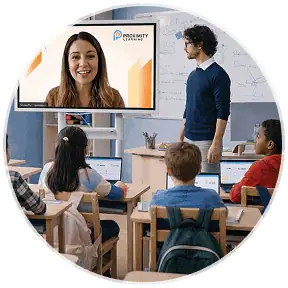
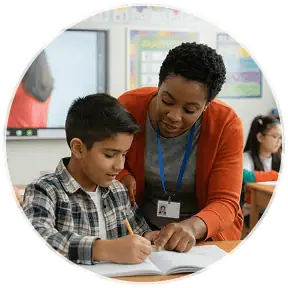
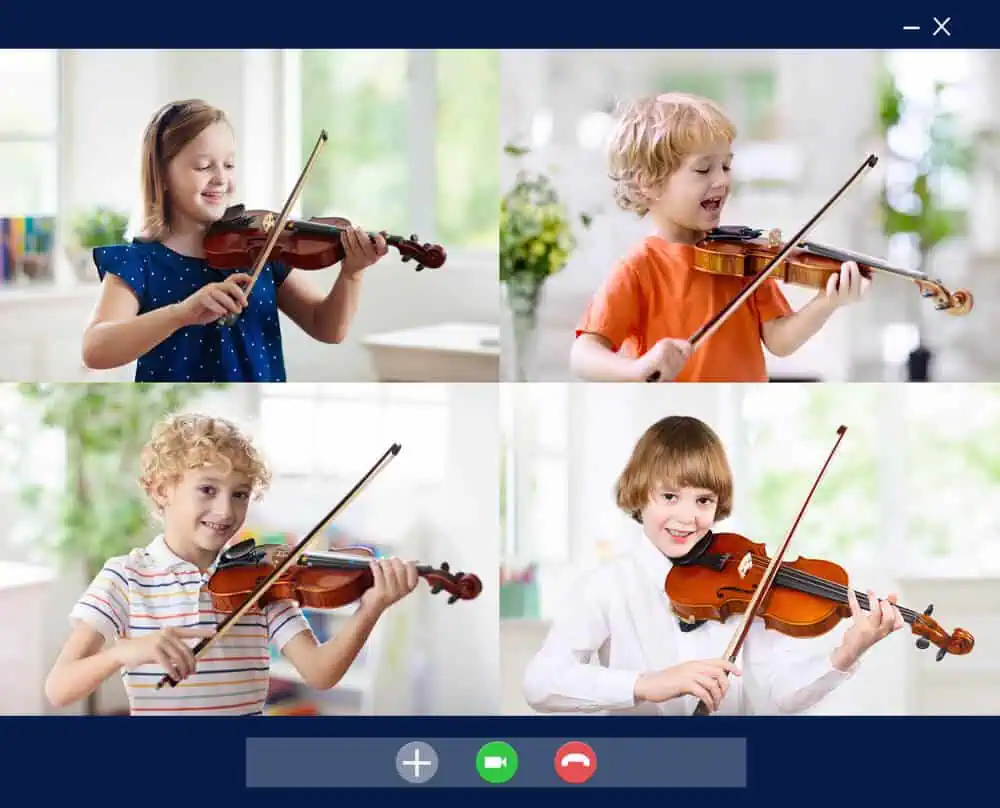
On the other hand, synchronous online learning takes place through scheduled online classes where a certified teacher livestreams into the physical classroom while an in-class facilitator supports students, manages technology, and maintains focus during lessons. In this model, instruction is delivered in real time using tools like interactive whiteboards, shared screens, and live class discussions. A learning management system (LMS) acts as a central hub where students can access materials, submit work, and track progress in just a few clicks.
These sessions follow the school’s bell schedule, creating a routine similar to a traditional classroom setting while still utilizing online education tools. This combination creates a structured and interactive learning environment that closely mirrors in-person instruction.
The Benefits of Synchronous Learning
Synchronous learning creates a more connected and engaging learning experience, especially for K-12 students who benefit from structure and interaction. When students actively participate in synchronous sessions, they are more likely to stay focused, retain information, and build confidence. This is because synchronous online education provides:
- Immediate feedback: Students can ask questions and receive answers in real time, helping them move forward without delays.
- Stronger engagement: Live class discussions and small group activities help keep students active and involved.
- Personalized learning: Teachers can adjust lessons during class, creating a more personalized learning experience.
- Improved focus: A structured schedule helps students stay consistent and engaged in their course.
- Better outcomes: Real-time interaction supports critical thinking and helps students build lifelong skills.
5 Ways to Maintain Quality When Using Synchronous Teaching
Synchronous online teaching can deliver strong results, but requires attention to detail to deliver quality outcomes. Schools need to be intentional about how they implement and support their online programs to ensure students receive a consistent and effective education.
By focusing on preparation, communication, and ongoing improvement, districts can create a high-quality online learning environment that supports both students and educators. Here’s how.
1. Prepare Students Well
Children and teens at all grade levels are familiar with the concept of studying online rather than in a physical, in-person environment. However, students need a clear understanding of how synchronous online learning works so they can confidently participate and succeed. Unlike asynchronous online courses, these synchronous sessions take place at scheduled times and require active engagement in a structured classroom environment.
Students should know that classes will take place in the school building and that they are expected to arrive on time, just as they would in a traditional classroom. They should also understand that participation is a crucial element of the learning experience. This includes introducing themselves at the start of the course, asking and answering questions during class discussions, and participating in breakout sessions or small group discussions within the virtual classroom. When students are prepared, they feel more confident to tackle challenges and engage with their work.
2. Let Parents Know What to Expect
Parents play an important role in supporting students in an online education environment, especially when transitioning from a traditional classroom setting. Clear communication helps families understand expectations and feel confident in the program.
Parents should know who to contact for class information, how to access course materials, and how to review grades and progress through the learning management system. It is important that families understand scheduling expectations, since online classes are live and not self-paced learning. Families should also be aware of course schedules and offerings so students can participate in classes that align with their needs and career goals.
For students with an IEP or 504 plan, parents should be informed about available accommodations or specialized online programs so they can support their child effectively.
3. Include Elective Classes
One of the benefits of a virtual education set-up is that it gives schools access to teachers with specialized skills. Instead of being limited to core subjects, learners can take courses in line with their interests and future career plans.
Electives play a vital role in shaping the lives of the next generation. They help learners discover and develop natural gifts and a sense of identity. Electives also prepare the next generation for the future by giving them the life skills needed to further their studies, find a job, or become entrepreneurs.
The skills children develop when taking elective courses can also improve performance in core classes. A study by the George Mason University Arts Research Center found a direct connection between taking courses in music, dance, art, and drama and improved grades in middle school students. The American Psychological Association reports that high school students who take music courses perform better on math and science tests than those who do not.
When choosing electives, focus on student interest, available resources, and long-term career goals. Select courses that can be effectively delivered through synchronous sessions and fit within your school’s schedule. Integrating electives into your online programs helps keep students engaged and creates a more well-rounded education experience.


4. Monitor Student Engagement and Performance
Maintaining quality requires ongoing visibility into how students are performing. Engagement, participation, and academic progress all play a role in determining whether your online learning program is effective.
Use data from your learning management system to review attendance, participation, and performance. Regularly evaluate trends and gather feedback from educators and facilitators. If students are struggling or becoming disengaged, early adjustments can help improve outcomes and strengthen the overall learning experience.
Holding open conversations with students can allow them to provide direct feedback on virtual systems and develop potential solutions. By doing so, learners not only feel a sense of ownership over their learning, but they become more personally invested in their education and success.
5. Provide Ongoing Training and Support for Educators
High-quality online education depends on well-supported educators. Teaching in a virtual classroom requires different strategies, tools, and approaches than a traditional classroom.
Ongoing training helps educators stay confident and effective when using new technology and tools. This includes strategies to engage students, manage synchronous sessions, and deliver strong instruction. You should also provide ample professional development and career advancement opportunities. When educators receive consistent support, they are better equipped to create a positive and engaging learning environment for all students.
Strengthen Your K-12 Programs with Proximity Learning
Virtual teaching solutions are a long-term strategy for expanding access, improving outcomes, and supporting students across every level of K-12 education. When built on a strong structure and real-time interaction, synchronous learning creates meaningful and consistent learning experiences. The right partner makes all the difference in your success.
Proximity Learning is here to support you in providing your K-12 school students with the best virtual education possible. For over 15 years, we’ve supported thousands of students through proven online programs, connecting districts with certified teachers who deliver live instruction aligned to your school’s bell schedule. Schools gain access to a wide range of online courses, including core subjects, electives, special education support, world language classes, and tutoring, all delivered through an interactive virtual classroom.
Each class is supported by an in-class facilitator and powered by a robust learning management system that helps track progress, manage course materials, and keep students engaged. With built-in flexibility, ongoing support, and the ability to adapt offerings based on your needs, Proximity makes it easier to maintain quality without overextending your existing staff.
If you are ready to strengthen your online education strategy and provide students with engaging, effective instruction, now is the time to take the next step. Connect with us today and see how we can help you bring reliable, high-quality synchronous learning to your school.